In the past week, the situation around the small unrecognised republic of Transnistria, which lies along the Nistru River between Moldova and Ukraine, has sharply escalated.
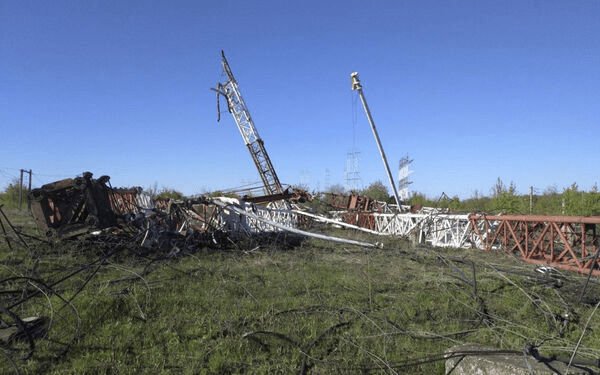
Ukrainian saboteurs have staged several terrorist attacks on the territory of the republic. Hostile forces are being drawn towards Transnistria. From the west, NATO units are moving towards Moldova’s borders.
If a few days ago there was information about redeployment of Romanian and Polish units, according to the latest information, large units of the USA, Portugal and other NATO countries are also moving. There are no NATO troops on Moldovan territory yet.
The Damascus government and the Syrian Democratic Forces (SDF) have reached an agreement to de-escalate and end siege on several areas in northern and northeastern Syria.
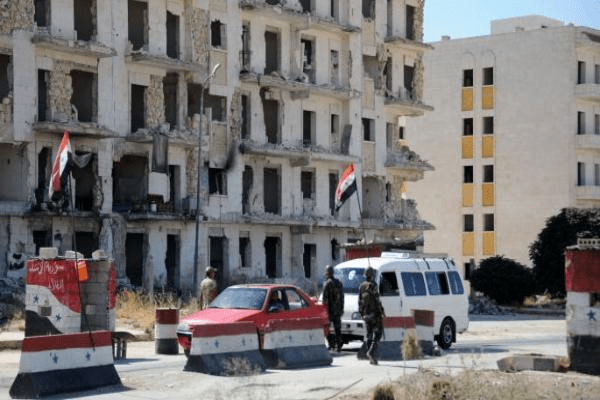
Sheikh Maqsoud is a Kurdish enclave within Aleppo City which successfully resisted both the occupation of the city by western and Turkish backed Islamic Rebels, and the shelling, storming and recapture by the Damascus government.
The Russian brokered agreement to lift the new siege by the Syrian Arab Army (Damascus) is an excellent omen for an eventual peace agreement with the AANES autonomous multi-ethnic government of Rojava and NE Syria, defended by the SDF.
Syrian government forces lifted its siege of the SDF-held district of Sheikh Maqsoud in Aleppo city. On April 28, trucks loaded with wheat and other supplies entered the district coming through government-held areas without facing any problems.
The Syrian Arab Army besieged Sheikh Maqsoud exactly 46 days ago in response to an alleged attack by militants hiding in the district.
26 days into the government siege on Sheikh Maqsoud, the SDF besieged the government-held security zones in al-Hasakah city and the town of al-Qamishli.
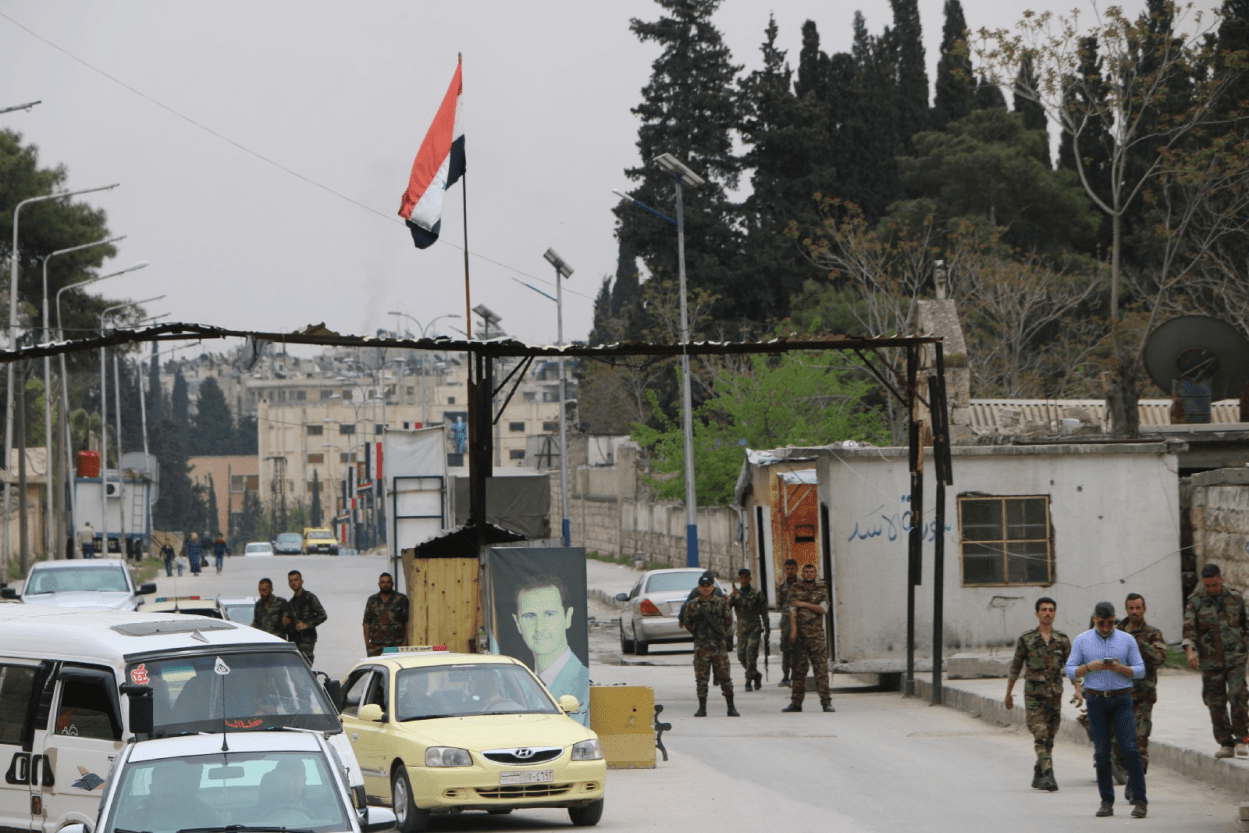
Governor of al-Hasakah, Major General Ghassan Halim Khalil, confirmed to al-Watan newspaper on April 28 that the SDF had lifted its siege off the security zones, saying that the situation in al-Hasakah city and al-Qamishli will return to normal.
The Damascus-SDF agreement was reportedly brokered by Russia, which has been working nonstop to de-escalate tensions between the two sides.
The agreement came amid a Turkish escalation against Syrian government forces and the SDF.
In the last few weeks, the Turkish military and its proxies carried out many attacks in northern and northeastern Syria. Both government forces and the SDF are being targeted.
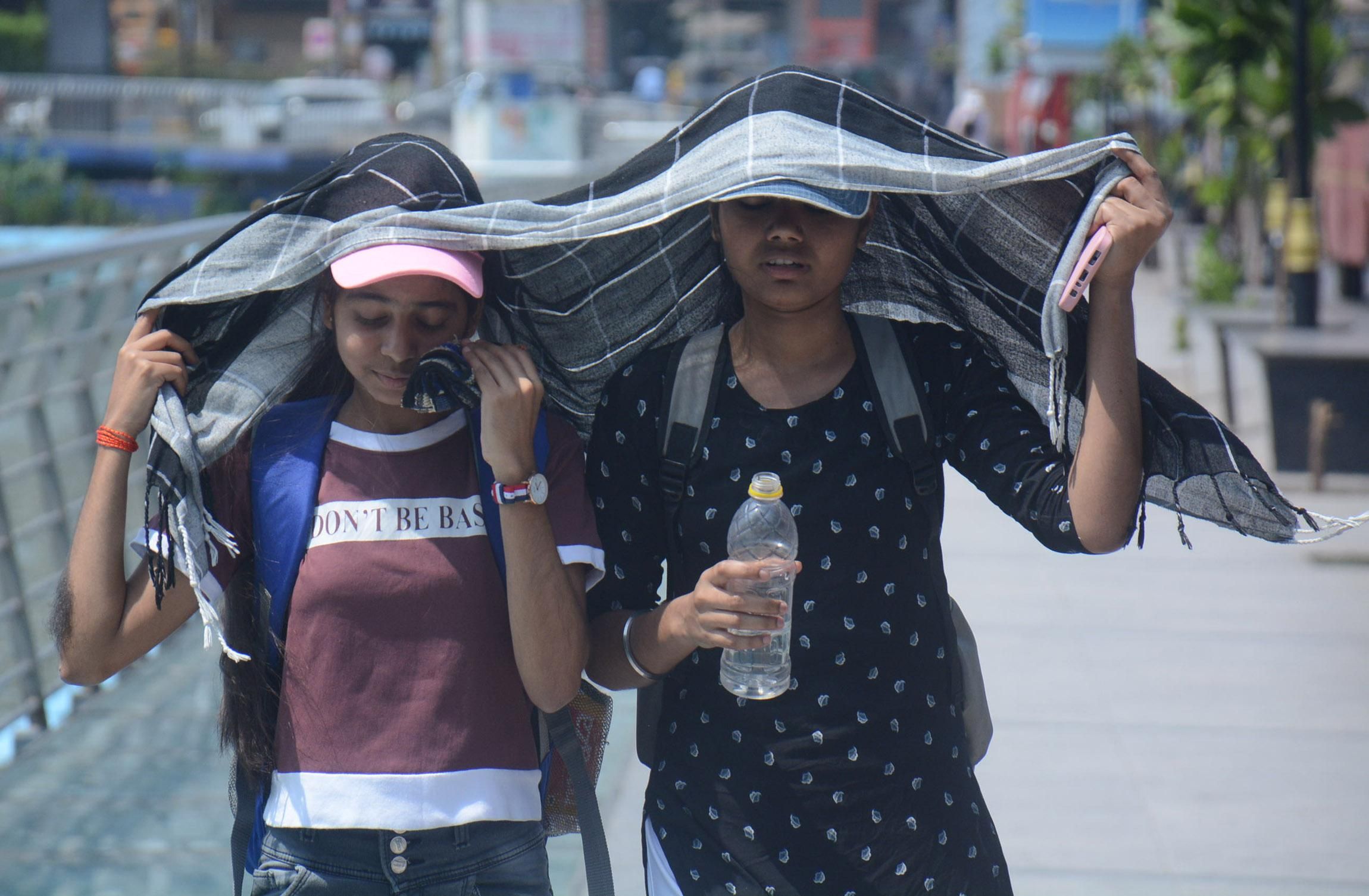
Two young girls cover their heads as they walk while drinking water in the scorching afternoon heat on April 25, 2022 in Mumbai, India. (Photo: Praful Gangurde/Hindustan Times via Getty Images)
“The deadly heat this week in India and Pakistan should dominate the news everywhere,” said one environmentalist. “It’s a horrifying event in its own right—and a glimpse of what is likely to become routine.”
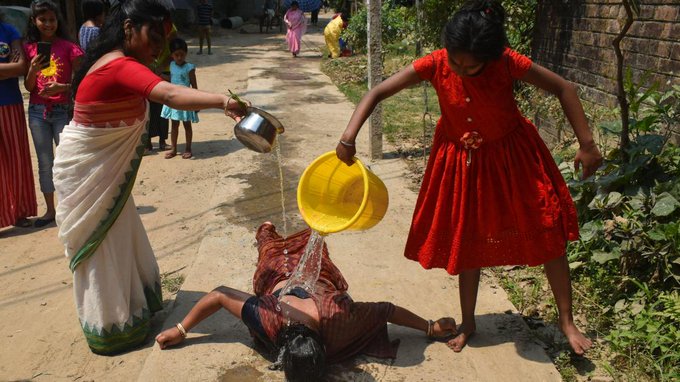
More than a billion people on the Indian subcontinent have been suffering for weeks amid a record-breaking heatwave, and with temperatures expected to approach 117ºF in the next few days, observers are warning that such deadly conditions are likely to become the norm in the absence of immediate and far-reaching climate action.
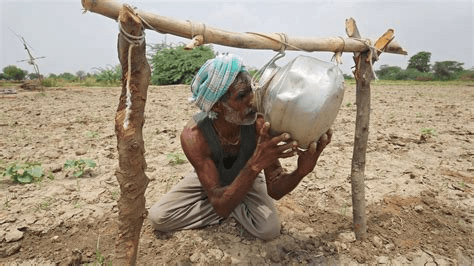
“Residents have described daily life as hellish, taps are starting to run dry, and soaring demand for electricity to power air conditioners has caused long and regular power cuts,” The Timesreported Wednesday. “In northern India, forest fires are destroying agricultural land. Vulnerable people have been advised to stay indoors.”
— World Meteorological Organization (@WMO) April 28, 2022
Although heatwaves are common in India, especially in May and June, scorching temperatures arrived early this year, a clear manifestation of the fossil fuel-driven climate emergency, according to Clare Nullis, an official at the World Meteorological Organization.
Last month was India’s hottest March in more than a century and one of its driest, according to the India Meteorological Department (IMD), and relief is nowhere in sight, with the region’s annual monsoon season still weeks away.
Extreme heat is expected to intensify over the weekend in India and neighboring Pakistan. Forecasters at the IMD said Thursday that temperatures in parts of central India surpassed 114ºF on Wednesday and are projected to approach 117ºF in the northwestern part of the country in the next two days with “no significant change thereafter.”
As the New York Timesreported, “Heat-related watches were in effect on Thursday afternoon for all but a few of India’s 28 states, encompassing hundreds of millions of people and most of the country’s major cities. An alert—one notch up in severity—was in effect for the northwestern state of Rajasthan on Thursday, and would come into effect for other central and western states starting Saturday.”
“Pakistan’s Meteorological Department also warned that in regions dotted with glaciers, the heat could lead to so-called outburst floods, in which water spills from glacial lakes into populated areas,” the newspaper added. “In 2013, an outburst flood in the northern Indian state of Uttarakhand led to flooding that destroyed villages and killed several thousand people.”
"Residents have described daily life as hellish, taps are starting to run dry and soaring demand for electricity to power air conditioners has caused long and regular power cuts." … Why aren't more people talking about this? https://t.co/t9psILCxkm
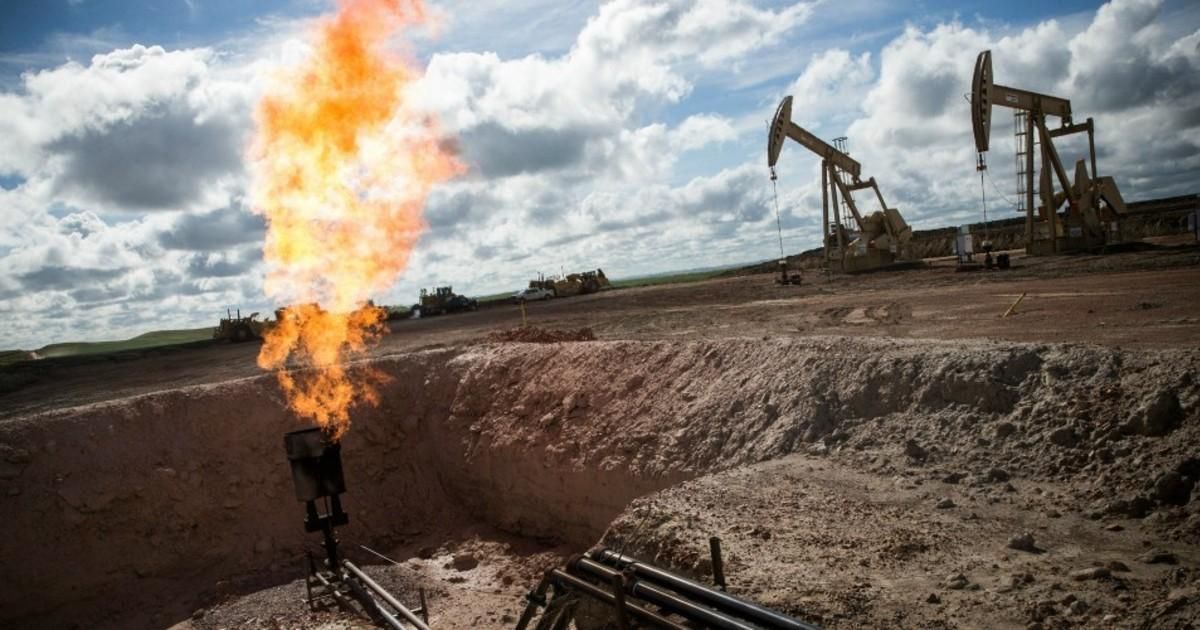
A gas flare is seen at an oil well site outside Williston, North Dakota. (Photo: Andrew Burton/Getty Images)”From a public health perspective and a climate perspective, stopping fracking is imperative.”
Combining findings from more than 2,000 scientific and government studies, a report published Thursday details how hydraulic fracturing has “dire impacts on public health and the climate.”
“The scientific evidence reveals conclusively that fracking causes widespread and severe harm to people and the climate,” Sandra Steingraber, CHPNY co-founder and compendium co-author, said in a statement.
Five Green MEPs are suing the European Commission over its ultra-secretive vaccine contracts, arguing that the heavily redacted versions released by the EC “made it impossible to understand the content of the agreements,” in astatementpublished Friday.
“Secrecy is a breeding ground for distrust and skepticism, and it has no place in public agreements with pharmaceutical companies,” Margrete Auken, a Danish MEP involved in the suit, declared, adding that “the European Commission’s refusal to provide transparency on its vaccine contracts affects the public’s confidence in the EU’s ability to obtain the best possible outcome for its citizens.”
The MEPs are demanding the details of the contracts…
Easter weekend I was transported to a vision of the future. Not in some vague, William Morris, utopian way (although, all power to that!.. we definitely need more utopian visions to counter the pathological cynicism of dystopian fun-sponges), but in a very real, practical and inspiring way.
The host for our latest DIY Alliance (DIYA) meeting was the remarkable, multi award winning, Lancaster Cohousing at Halton, just outside Lancaster. As I have previously mentioned, DIYA meetings are designed to bring grassroots, self-organising, anarchist-friendly, community-focused projects together so that we can learn from each other and maximise our impact through solidarity and mutual aid.
The original plan had been to unite projects across the north of England, but the idea has gathered an unpredicted momentum which saw people from as far afield as Northampton join us for the weekend.
Among them were our old friends from Bolton Diggers, the 0161 Anti-Fascist festival in Manchester and members of A Commune in the North (ACitN) — who I shall write about more thoroughly in a future article — to name but a few. It was Cath from ACitN who invited Natalia from Anna’s House Education to give a talk about the Kurdistan Freedom Movement. More on that in a moment.
The venue itself was something of a paradise. Built on the banks of the salmon-rich River Lune, on ex-industrial land, Lancaster Cohousing is a long street of cosy homes which meet Passivhaus and Code for Sustainable Homes (level 6) standards. No cars are allowed in the residential area, so neighbours must pass each other in the street and the kitchen windows of each house face into the street so that every resident sees everyone else on a regular basis, reinforcing the sense of community.







 The Free