
from Yale Environment 360 By Jonathan Mingle • April 21, 2022 shared with thanks
Jonathan Mingle is a reformist US journalist who here gives a good resumé of the LNG export industry. However the article fails to mention this is over 90% fracking gas transported by a maze of leaking pipelines from over a million short term unregulated, methane spewing fracking wells, drilled and abandoned by disappearing capitalists, after pumping billions of liters of highly toxic chemicals into the fractured earth and US aquifers.
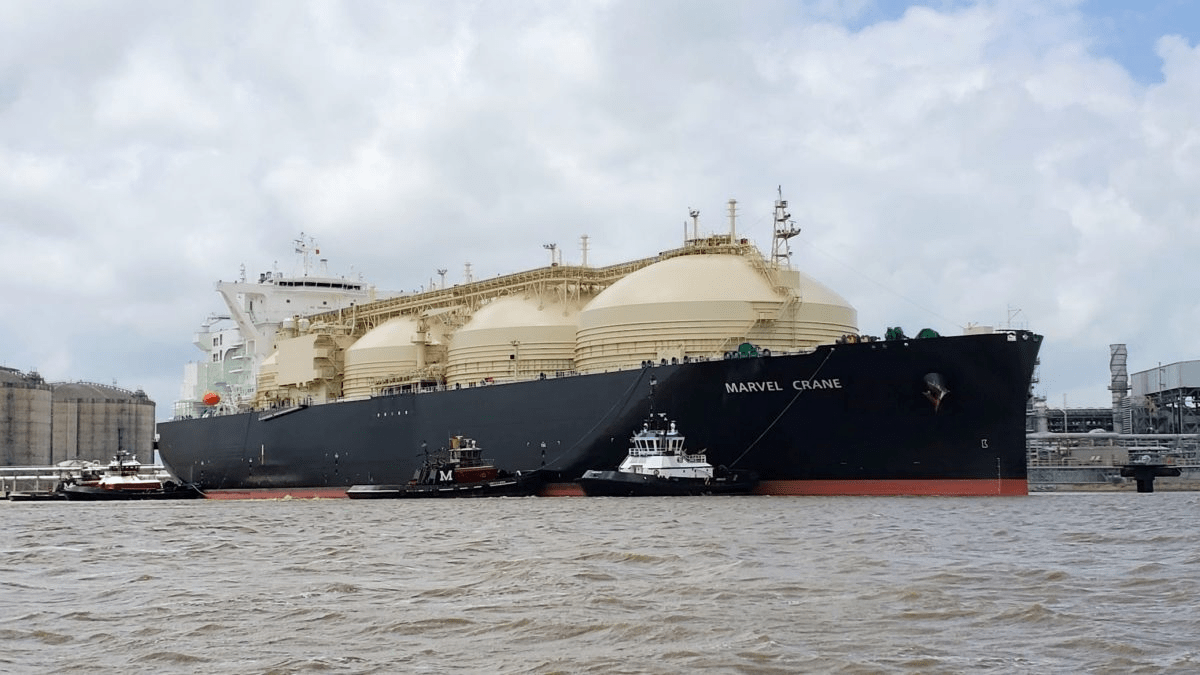
The U.S. plans to boost liquefied natural gas exports to Europe to help the EU reduce its dependence on Russian gas. This could spur an expansion of LNG terminals, which analysts say would lead to long-term increases in gas production and greenhouse gas emissions.
By Jonathan Mingle • April 21, 2022
In the span of weeks, Russia’s war on Ukraine has created millions of refugees, transformed the geopolitical landscape, upended global energy markets and food supply chains, and hastened Europe’s efforts to transition away from fossil fuels. The war also threatens to alter the trajectory of energy and climate policy in the United States.
On March 25, a month after Russia launched its invasion, President Biden met with European Commission President Ursula von der Leyen in Brussels and jointly announced a new initiative to help Europe reduce its reliance on Russian fossil fuels. Their plan calls for boosting exports of liquefied natural gas (LNG) from the U.S. to the European Union by 15 billion cubic meters this year and as much as 50 billion cubic meters — a third of what Europe currently buys from Russia — by 2030.
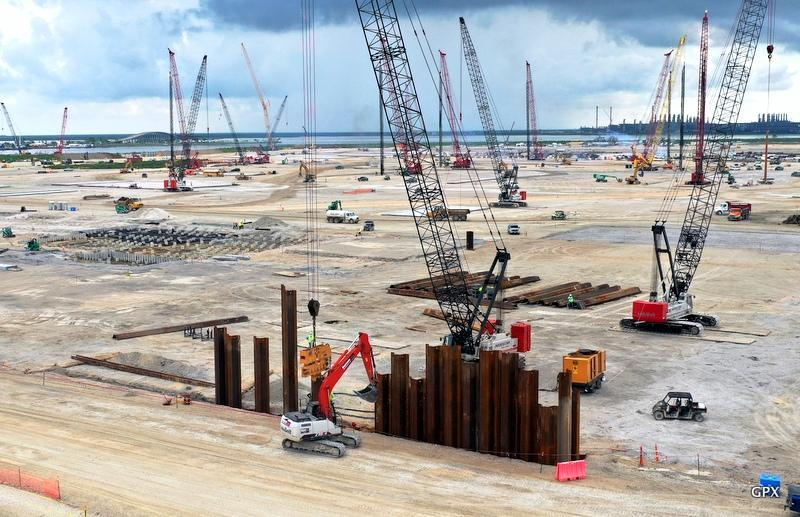
Biden administration officials have characterized the LNG surge as a stopgap measure to help Europe bridge these next few years until it can build more renewable energy and make its buildings and industries more energy efficient.
But energy analysts say the announcement could signal a pivot toward greater support for expanding gas infrastructure, potentially locking in significant new sources of greenhouse gas emissions.
New LNG terminals — whether for export on the U.S. Gulf Coast or for import on Germany’s North Sea coast — would take several years and several billion dollars to build. Analysts say that by the time they are up and running, the geopolitical environment may look different, but climate change will be all the more urgent, and there will be powerful business incentives to keep the terminals operating.
editorial insert: It’s also worth noting that Russia also supplies LNG, over 40 million tons a year to the world market, mainly to China, and has a new export terminal, Artic LNG 2, due to come on stream already this year. So we will have Europe refusing to buy cheaper, nearer and non-fracking Russian LNG which will go instead to Asia..
Even with new infrastructure, the U.S. won’t be able to replace the volume of gas that Europe imports from Russia, says an expert.
“Europe needs more U.S. LNG to get through the next two winters, not incentivization to use gas for the next 20 years,” said Claire Healy, of the energy think tank E3G, in a statement. “It has turned a short-term energy crunch into a long-term crutch for American oil and gas producers.”
Some energy experts caution that expanding LNG infrastructure would be a distraction from more durable solutions to promote energy security in both the U.S. and the EU. Rather than boosting supply by building LNG projects that could become stranded assets, they say, countries should focus on energy efficiency and other ways to reduce demand for gas.
Continue reading “How U.S. Fracking-Gas Exports to Europe Could Lock in Future Emissions”