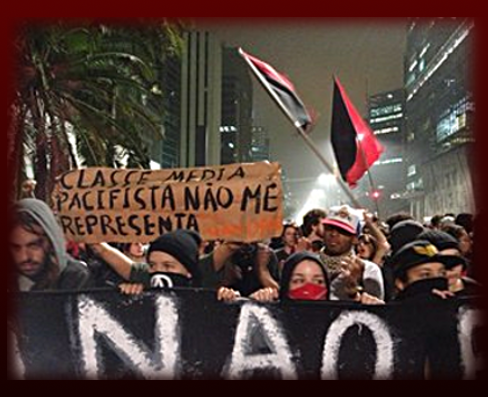
After years of persecution 23 victims of police repression in Rio de Janeiro have finally come to trial and been sentenced to long prison terms between 5 and 13 years. Thousands took part in the protests, the 23 are just victims snatched by the police. The only positive thing is that they are freed on bail pending appeals. They will need another strong and lasting solidarity campaign
Comminique: On the sentences against 23 comrades for alleged participation in the disorders in Rio de Janeiro in 2013-2014
As we oppose anything that violates freedom, today we are opposing the sentences against the 23 arrested following the protests in Río de Janeiro in 2013-2014.‘The freedom of others extends mine infinitely.’ – M. Bakunin
23 people were sentenced in Río de Janeiro in ‘Operation Firewall’ for violence, criminal organization, damage, resistance, bodily harm and possession of explosive devices; sentences range from 5 to 13 years in prison and were issued by judge Flavio Itabaiana of the 27th Penal Tribunal in Rio de Janeiro.
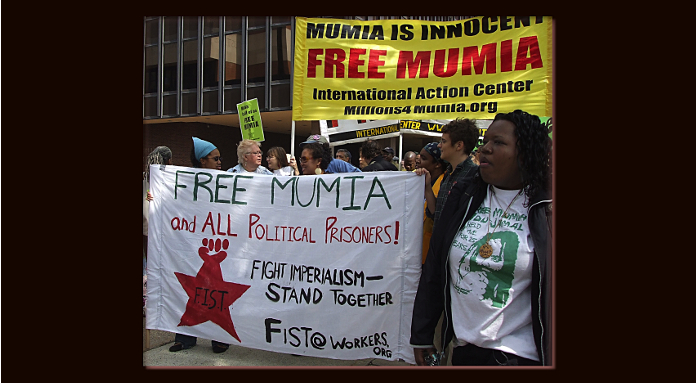
by moorbey Speaking to the Chicago Alliance Against Racist and Political Repression recently, Angela Davis renewed her call to release black prisoners she says were convicted for their political beliefs, not because they were guilty. The event was a rally to
Davis spoke about the need for international solidarity opposing institutionalized police violence against those engaged in political conduct around the world. Davis said, “Anti-Muslim racism, Islamophobia has to be understood as intersecting with and reinvigorating anti-Black, anti-Asian, anti-Latinos racism.”
The Revolutionary Court in Tehran, under the direction of Judge Moghiseh, sentenced anarchist prisoner Soheil Arabi to 5 years imprisonment for blasphemy and 1 year for propaganda against the state
His wife, Nastaran Naimi, was also sentenced to 1 and a half years in prison
Soheil Arabi has been tortured in Evin Prison, suffering severe beatings that left him bruised & his nose broken
On June 1, when he was taken to surgery, soldiers beat him in the Khomeini Hospital. Soheil is now under quarantine
Soheil Arabi born August 21, 1985, is an Iranian blogger who was sentenced to death in Iran in 2014 on charges of insulting the Prophet Mohammad in his postings on Facebook
Islamic Revolutionary Guard Corps (IRGC) agents arrested Arabi at his home in Tehran in November 2013. He then spent two months in the IRGC’s Ward 2-A in Evin Prison.
During interrogation, he was pressured into confessing his alleged crimes. He was then transferred to Section 350 of Evin, which is under control of the Iranian judiciary.
On 30 August 2014, a five-judge panel of Branch 76 of the Criminal Court of Tehran sentenced Arabi to death for “insulting the Prophet of Islam” in eight Facebook accounts allegedly belonging to Arabi
On 4 September 2014, Branch 15 of the Tehran Revolutionary Court also sentenced Arabi to three years in prison on charges of “insulting the Supreme Leader” and “propaganda against the state” in his postings on Facebook
In late September 2015, his sentence was commuted to “reading 13 religious books and studying theology for two years.
He was still imprisoned and almost died in 2017 when he did a 55 day hunger strike to protest the arrest of his wife Nastaran Naimi.
Now he has been sentenced again, this time to 6 years imprisonment and his wife Nastaran Naimi to 1 and a half years
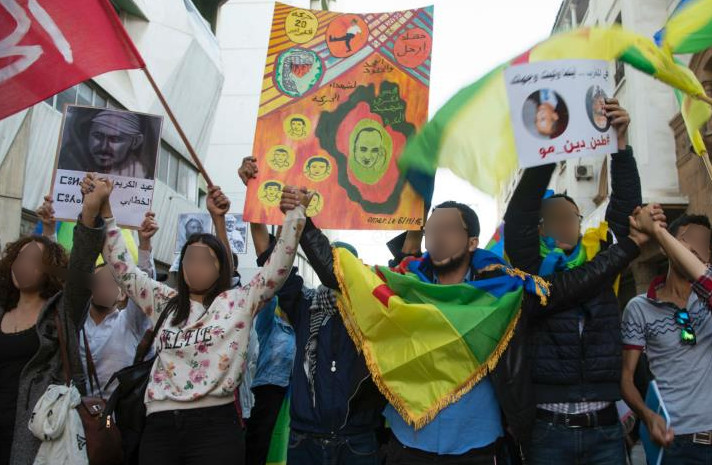
Mass Protests as Rif leader Nasser Zefzafi sentenced to 20 yearsA court sentenced Nasser Zefzafi and other activists who were involved in organising demonstrations in Al Hoceima.
The leader of a protest movement that shook Morocco’s northern Rif region for months over social and economic issues has been sentenced for 20 years.
A court in Casablanca on Tuesday sentenced 39-year-old Nasser Zefzafi, who was arrested in May last year and later transferred to a prison in the port city.
Zefzafi was involved in organising demonstrations in his hometown of Al Hoceima.
The social unrest in the region followed the death of Mouhcine Fikri, a fishmonger crushed in a rubbish track as he protested against the seizure of swordfish caught out of season.Calls for justice for Fikri, 31, evolved into a grassroots movement demanding jobs and economic development, with Zefzafi, himself unemployed, emerging as the leader of the Hirak el-Shaabi, or Popular Movement, based largely in Al Hoceima.
Zefzafi was charged with undermining public order and threatening national unity.
His arrest in 2017 was ordered after he allegedly interrupted a preacher at a mosque to call for further demonstrations.
Where does power reside in Morocco? – Inside Story
Prosecutors had said the arrest was ordered after he “obstructed, in the company of a group of individuals, freedom of worship” at the mosque in Al Hoceima.
Since, smaller protests have become a daily occurrence in the town.
As part of the same verdict, movement leaders Nabil Ahmijeq, Wassim El Boustani and Samir Aghid were also given 20 years in prison, while three others received a 15-year jail sentence.
Meanwhile, seven activists were sentenced to five years in prison and six others were given a 10-year jail sentence.
Seven activists were sentenced to three years in prison, while 12 defendants received a two-year prison sentence. An activist was given a one-year suspended prison sentence.
In total, 53 people were handed sentences on Tuesday following a nine-month trial.
Speaking to Reuters News Agency by phone, the activists’ lawyer Bouchra Rouis said the sentences were “unfair”, adding that there will be an appeal against the ruling after a discussion with the defendants.
The mainly ethnically Berber Rif region has long had a tense relationship with Morocco’s central authorities and was at the heart of Arab Spring-inspired protests in 2011.
The main protests subsided following a series of political reforms, including constitutional changes that saw King Mohamed VI give up some of his wide-ranging powers.
For months, there have been protests in Alhucemas and other Rif cities in northern Morocco against the unjust treatment that the Moroccan state has given the population for decades. The corruption of the Moroccan state, the lack of public infrastructures in the region, the attack on the Rif culture and language , the precarious conditions of life and the absence of freedom and autonomy to express themselves as a people.
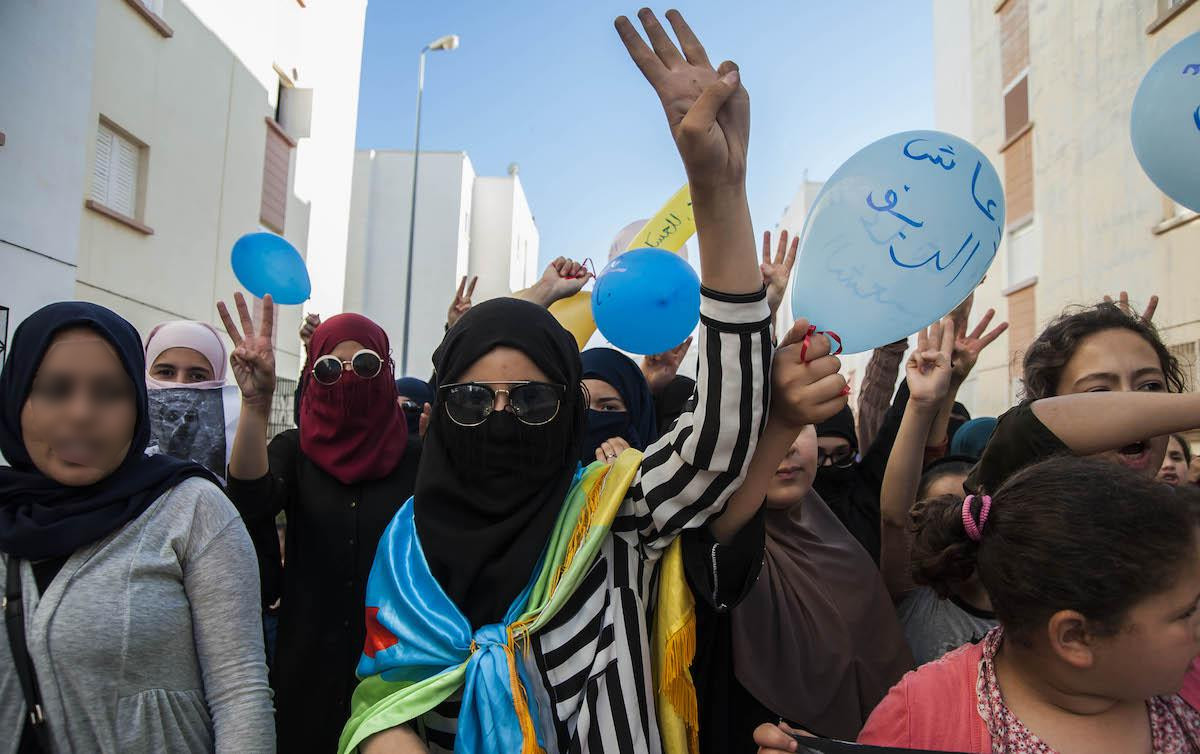
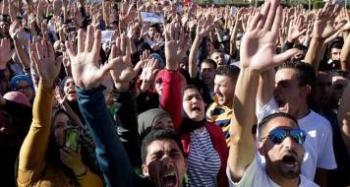
Protests have increased as a result of the arrest of dozens of activists of the Popular Movement of Alhucemas, which raises the social and political demands of the Rif people through the peaceful mobilizations that are developing, and where women are increasingly prominent.
On Wednesday, June 28, eight months after the start of the Hirak, the peaceful protest movement following the death of Mouhcine Fikri, a 31-year-old street vendor, crushed by a garbage truck at Alhucemas
In recent days, mobilizations have spread outside the Rif, with massive demonstrations in Rabat, tens of thousands of people. To all this are joined the acts of solidarity that have taken place in various European cities, in support of the protests in the Rif.
We know that, at present, there are at least 200 detainees, who have been transferred mostly to Rabat, although these figures are provisional, because their numbers are constantly increasing.
La fiesta del aïd en Alhucemas 27/06/2017 عيد الفطر في الحسيمة
Several prisoners, including Nasser Zafzafi, Mohamed Jelloul and Mohamed Mejjaoui, and several dams, such as Silya Ziani, and many others, have begun a hunger strike in protest of the arrests. These are totally arbitrary and are directed against peaceful activists and demonstrators, just because they are socially and politically annoying because of their just demands.
July 2017..Almost 50 refugees feared drowned in the Mediterranean | Spain … Sixty migrants have died trying to cross the waters to Spain from Morocco …The rubber boat was believed to have left Morocco with 52 people aboard. The migrants now also include refugees from the Rif rebellion. … Rescue workers were searching for survivors in the water …
Ill-treatment of detainees is the norm and there are numerous cases of torture. The Moroccan army has strengthened its presence in Alhucemas and treats the population as if it were in an occupied military zone.
The Moroccan public television tries to discredit the protests by means of the most rough manipulations. The Moroccan National Press Union (SNPM) has denounced them and demanded the release of detained journalists, such as Mohamed El Asrihi de Rif 24, Jaouad Al Sabry photographer of Araghi TV, Abdelali Haddou of Rifpress, Houssein El Idrissi of Awar TV , Fouad Assaidi …
With these names, only a few of the 200 people arrested so far, we do not intend to prioritize some cases in front of others, but to put names and surnames to the prisoners, to support their relatives, companions and companions and to demand the:
– IMMEDIATE RELEASE OF ALL PRISONERS AND PRISONERS FOR POLITICAL REASONS
We must remember that, unfortunately, this situation is not unique. Just one night before the great demonstration in Rabat, the Moroccan police and army brutally repressed in El Aiun a call in support of Saharawi political prisoners and to claim the right of self-determination.
It is no coincidence that in the Rif, as happened in Western Sahara, the Moroccan army has bombarded the civilian population with napalm, in the recent past. That’s why we also demand the:
-INMEDITED DEMILITARIZATION OF RIF AND SÁHARA
The -majcen-, (the circle of oligarchs that surrounds the crown of Morocco) claim that the protests are organized from abroad. At the same time, the king receives Macrón. But in reality it is the majcen which encourages the protests with its injustice, the one that eats from the hand of the French imperialism, the one that receives military aid from the state of Israel to oppress the Saharawis or the one that is supported by the corrupting and oppressive monarchy, a friend of Trump and the Saudis.
Likewise, the repression and lack of rights in the Rif are no obstacle to the Spanish government continuing to support the Moroccan regime, as have not been the decades of international breaches and non-compliance in the Sahara. In fact, the Spanish government has been one of the main allies of the Moroccan monarchy since the time of Hassan II.
The History … Mustard Gas and Napalm
The historical marginalization of the Rif seemed to come to an end with the coming to the throne of the then young and promising Mohammed VI in 1999 after the death of Hassan II, who as crown prince had taken over the repression of the riots of 1958-1959, even ordering The bombing with napalm of the rebels ( see the documentary’Romper el silencio’, by Tarek Idrissi, if you want to delve into this cruel episode)
Not in vain, the north of Morocco has become a space of delocalisation of many Spanish companies, that have transferred to this zone their production, to take advantage of the low wages and the lack of union rights.
Similarly, the Moroccan government plays a key role in monitoring the southern European border and in the control of cross-strait immigration, as a gendarme serving the European Union, with constant abuses and violations of human rights. of its own population and migrants from other countries.
A government such as Spain, at the service of the elites who benefit from this situation, can only be complicit in the policies of the Moroccan government, in a general and shared context of freedom cuts and rights retreat.
For this reason, solidarity and the joint struggle with the workers of North Africa and the Rif in particular are fundamental for the improvement of the conditions of life of the working class.
One of the hallmarks of CNT is its internationalist commitment. At the beginning of the last century, CNT strongly opposed, among protests and strikes, the recruitment of workers and the war in the Rif.
Consequently, from CNT we support the just demands of the people, we declare our full support and solidarity to their mobilizations and to the demands of the Popular Movement Rifeño, which are the following:
– Immediate release of detainees for political reasons.
– Demilitarization of the Rif and free exercise of the rights of manifestation, assembly and freedom of expression.
“We do not have any factory, we do not have an oncology hospital, despite having the highest cancer rate in all of Morocco, because of the use of chemical weapons made by Spain [A study in 2015 showed that almost 80% of adults and 50 % Of cancer-infants treated at the oncology hospital in Rabat came from the Rif area where Spanish aviation bombarded with mustard gas between 1924 and 1927].
-Construction and equipment of hospitals, universities and schools. Right to quality and free public health and education.
– Social measures of distribution of the wealth that allow the end of the misery. Right to a decent home and life.
– End of the corruption and mafia structure that governs the Maghreb.
-Respect to the culture and language rifeña.
-Liberty and trade union freedom.
CNT has always been committed to building a world without borders, where people do not have to leave their land because of political persecution or lack of work and social rights, which belong to everyone.
That is why we encourage everyone to give the maximum possible support to the companions of the RIF, supporting solidarity committees and attending all the demonstrations and rallies held for this cause.
Rif – Wikipedia, the free encyclopedia The Rif (in Amazigh, Arrif and in Arabic, الريف [Ar-Rīf]) is a region with mountainous zones and green areas of the north of Morocco
original en castellano
CNT en solidaridad con las protestas en el RIF – CNT
Desde hace meses se vienen produciendo protestas en Alhucemas y otras ciudades del Rif, en el norte de Marruecos, contra el trato injusto que, desde hace décadas, da el Estado marroquí a la población rifeña. A este motivo se unen la corrupción del estado marroquí, la falta de infraestructuras públicas en la región, el ataque a la cultura y la lengua rifeñas, las condiciones precarias de vida y la ausencia de libertad y autonomía para expresarse como pueblo.
Las protestas se han acrecentado como consecuencia de la detención de decenas de activistas del Movimiento Popular de Alhucemas, que plantea las demandas sociales y políticas del pueblo rifeño a través de las movilizaciones pacíficas que se están desarrollando, y dónde las mujeres tienen cada vez más protagonismo, como impulsoras.
En los últimos dias, las movilizaciones se han extendido fuera del Rif, con manifestaciones masivas en Rabat, de decenas de miles de personas. A todo esto se unen los actos de solidaridad que se han dado en diversas ciudades europeas, en apoyo a las protestas en el Rif.
Sabemos que, a día de hoy, hay al menos 200 detenidos, que han sido trasladados en su mayor parte a Rabat, si bien estas cifras son provisionales, porque su número aumenta constantemente. Varios presos, como Nasser Zafzafi, Mohamed Jelloul y Mohamed Mejjaoui, y varias presas, como Silya Ziani, y muchas personas más, han iniciado una huelga de hambre en protesta por las detenciones.
Estas son totalmente arbitrarias y se dirigen contra activistas y manifestantes pacíficos, solo porque son molestos social y políticamente a causa de sus justas reivindicaciones.
Los malos tratos contra los detenidos son la norma y existen númerosos casos de tortura. El ejercito marroquí ha reforzado su presencia en Alhucemas y trata a la población como si estuviese en una zona militar ocupada.
La prensa ha sido amordazada y la televisión pública marroquí intenta desacreditar las protestas por medio de las más burdas manipulaciones. El Sindicato Nacional de Prensa de Marruecos (SNPM) las ha denunciado y ha exigido la libertad de los periodistas detenidos, como Mohamed El Asrihi de Rif 24, Jaouad Al Sabry fotógrafo de Araghi TV, Abdelali Haddou de Rifpress, Houssein El Idrissi de Awar TV, Fouad Assaidi… Con estos nombres, apenas unos pocos de las 200 personas detenidas hasta ahora, no pretendemos priorizar unos casos frente a otros, sino poner nombres y apellidos a las personas encarceladas, apoyar a sus familiares, compañeros y compañeras y exigir la:
-LIBERACIÓN INMEDIATA DE TODOS LOS PRESOS Y PRESAS POR MOTIVOS POLITÍCOS
Debemos recordar que, desgraciadamente, esta situación no es única. Apenas una noche antes de la gran manifestación de Rabat, la policía y el ejercito marroquíes reprimían brutalmente en El Aiun una convocatoria en apoyo a los presos políticos saharauis y para reclamar del derecho de autodeterminación.
No es casualidad que en el Rif, al igual que ocurrió en el Sáhara Occidental, el ejercito marroquí haya bombardeado a la población civil con napalm, en un pasado aún reciente. Por eso también, exigimos la:
-INMEDITA DESMILITARIZACIÓN DEL RIF Y DEL SÁHARA
Dice el majcén (el círculo de oligarcas que rodea la corona de Marruecos) que las protestas están organizadas desde el extranjero. Al mismo tiempo, el rey recibe a Macrón. Pero en realidad es el majcén el que alienta las protestas con su injusticia, el que come de la mano del imperialismo francés, el que recibe ayuda militar del estado de Israel para oprimir a los saharauis o el que está apoyado por la corrupta y opresora monarquía saudí, amiga de Trump.
De la misma forma, la represión y la falta de derechos en el Rif no son obstáculo para que el gobierno español continúe apoyando al régimen marroquí, como no lo han sido hasta ahora las décadas de vulneraciones e incumplimientos internacionales en el Sáhara. De hecho, el gobierno español es uno de los principales aliados de la monarquía marroquí, desde tiempos de Hassán II.
La Historia… Gas mostaza y napalm
La marginación histórica del Rif pareció llegar a su fin con la llegada al trono del entonces joven y prometedor Mohammed VI en 1999, tras la muerte de Hassan II, quien como príncipe heredero había asumido la represión de las revueltas de 1958-1959, ordenando incluso el bombardeo con napalm de los rebeldes (Una recomendación: vean el documental Romper el silencio, de Tarek Idrissi, si quieren profundizar en esta cruel episodio)
No en balde, el norte de Marruecos se ha convertido en un espacio de deslocalización de muchas empresas españolas, que han trasladado a esta zona su producción, para aprovecharse de los bajos salarios y la falta de derechos sindicales. De la misma forma, el gobierno de Marruecos juega un papel fundamental en la vigilancia de la frontera sur europea y en el control de la inmigración a través del Estrecho, como gendarme al servicio de Europa, con constantes abusos y vulneraciones de los derechos humanos de su propia población y de los y las migrantes de otros paises.
Un gobierno como el español, al servicio de las élites que se benefician de esta situación, no puede ser sino cómplice de la políticas del gobierno marroquí, en un contexto general y compartido de recorte de libertades y retroceso de derechos.
Por ello, la solidaridad y la lucha conjunta con los trabajadores y trabajadoras del norte de África y del Rif en particular, son fundamentales para la mejora de las condiciones de vida de la clase trabajadora.
Una de las señas de identidad de CNT es su compromiso internacionalista.Ya a principios del siglo pasado, CNT se opuso firmemente, entre protestas y huelgas, al reclutamiento de trabajadores y a la guerra en el Rif. Consecuentemente, desde CNT apoyamos las justas reivindicaciones del pueblo rifeño, declaramos nuestro total apoyo y solidaridad a sus movilizaciones y a las reivindicaciones del Movimiento Popular Rifeño, que son las siguientes:
-Liberación inmediata de los detenidos por razones políticas.
-Desmilitarización del Rif y libre ejercicio de los derechos de manifestación, reunión y libertad de expresión.
CNT ha apostado siempre por construir un mundo sin fronteras, en el que las personas no tengan que abandonar su tierra por la persecución política o la falta de trabajo y derechos sociales, que son de tod@s.
Por eso animamos a tod@s a dar el máximo apoyo posible a los compañeros y las compañeras del RIF, apoyando a los comites de solidaridad y asistiendo a todas las manifestaciones y concentraciones que se realicen por esta causa.
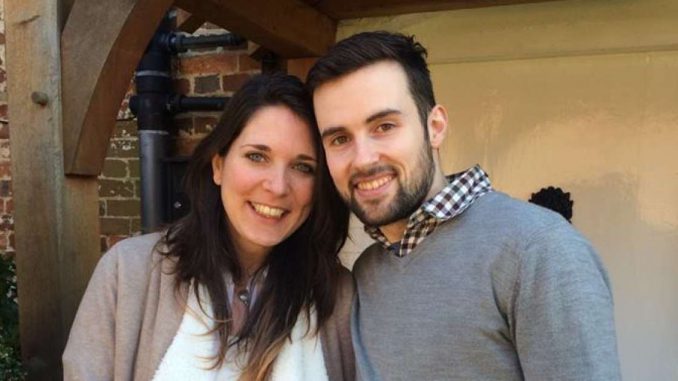
Natasha Simpkins and husband Sven Van Hasselt were sentenced at Winchester Crown Court. Both decided to plead guilty to a charge of conspiracy to commit blackmail against the notorious vivisection laboratory, Huntingdon Life Sciences – now rebranded as Envigo.
Sven received a sentence of five years and was sent to HMP Winchester (address below). Natasha received a suspended sentence of two years and is the first animal rights activist convicted of this offence not to go to prison. The Facebook page of their support group says she:”will have conditions and if she breaks them, she will have to go inside. This was a very unexpected result and we are happy to know that tonight she will not be in a prison cell.”
Successful appeal to Support Sven in studying permaculture in prison!
Sven is an animal liberation prisoner who was recently sentenced to 5 years in prison for his role in a campaign to close down Europe’s largest animal testing laboratory.
After spending the last 4 and a half years kidnapped in the North Prison of México City (DF), on the night of June 11th Fernando Bárcenas, returned to the streets! A group of around twenty libertarian anarchist friends travelled to the outside of the North male preventive prison (ReNo) [in DF] in order to wait for the departure of Fernando Bárcenas after four years and six months of prison.
He was arrested at the age of 18, while studying at the College of Humanities and Sciences and working in a furniture factory. He was arrested on December 13th, 2013 and accused of burning a Christmas tree belonging to Coca Cola during a protest against fare increases on the metro in DF. During his imprisonment, Fernando participated in various hunger strikes. Continue reading “México: Anarchist prisoner Fernando Bárcenas is free”
Condemnation of 2 to 13 years in prison for young people from Altsasu for injuries, public disorder and threats.
partly from a report by @AhotsaInfo
Oihan Arnanaz and Iñaki Abad have been sentenced to 13 years, Jokin Unamuno and Adur Ramírez de Alda got 12 years, Jon Ander Cob, Julen Goikoetxea and Aratz Urrizola received 9 years, and Ainara Urkijo two years in prison.
The families of the Altsasu victims held a press conference to denounce the Spanish injustice and call for mobilisations.
The Spanish National Court has condemned the 8 youngsters of Altsasu arrested after a bar brawl with two police and their partners, though they finally had to drop the ridiculous “terrorism” accusation. The Court is seen to be a tool of the far right and condemned by Amnesty International after a series of blatantly repressive false judgements. Continue reading “Basque Country: 8 youths Jailed up to 13 yrs for Bar Brawl with off duty Spanish Paramilitaries”
 ‘The freedom of others extends mine infinitely.’ – M. Bakunin




 July 2017..Almost 50 refugees feared drowned in the Mediterranean | Spain …


 The Facebook page of their support group says she:”will have conditions and if she breaks them, she will have to go inside. This was a very unexpected result and we are happy to know that tonight she will not be in a prison cell.”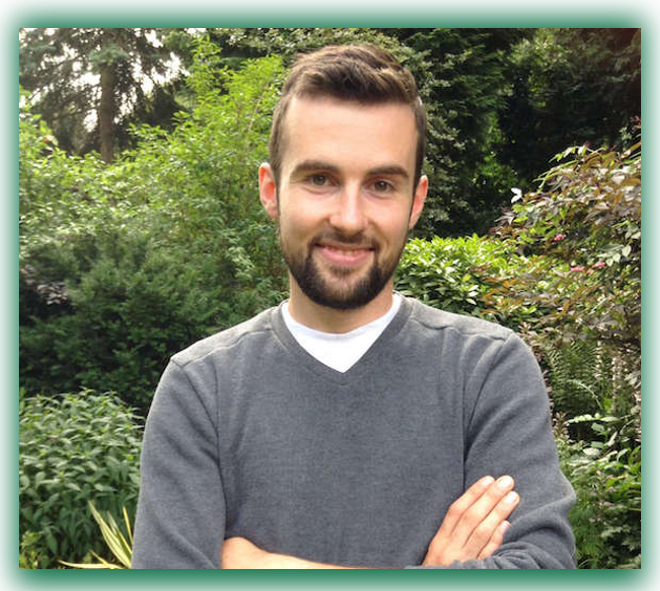


 ALTSASU Marc Malagelada
 The Free