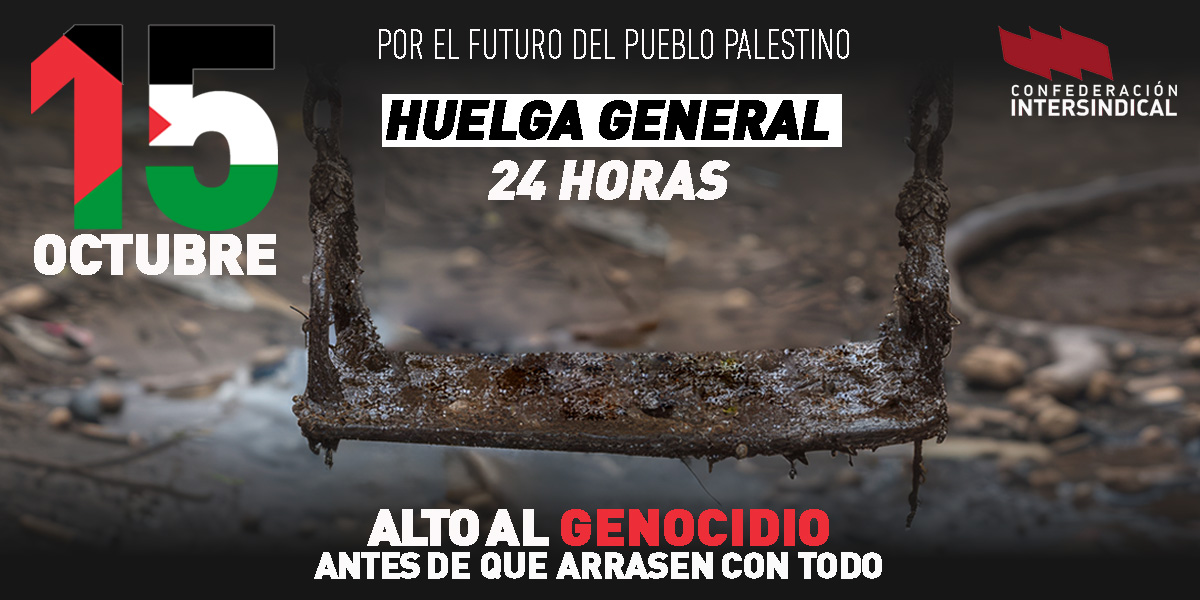
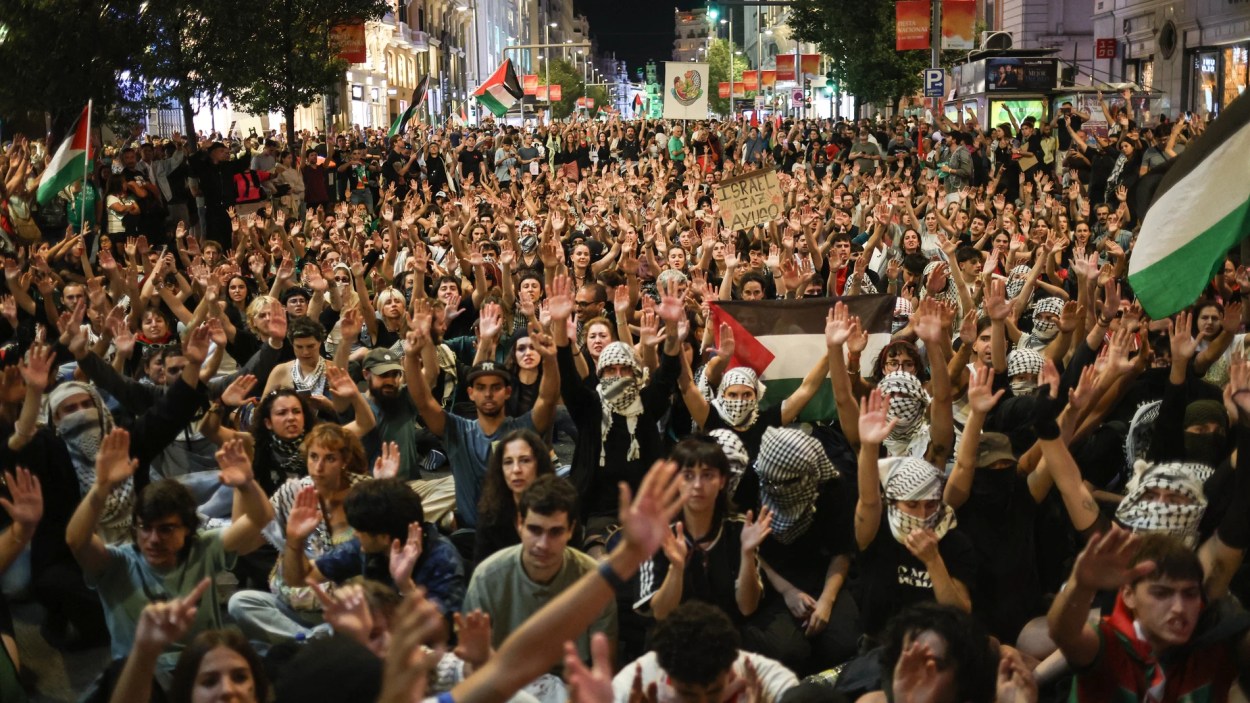
October 15: Statewide General Strike in Solidarity with Palestine.
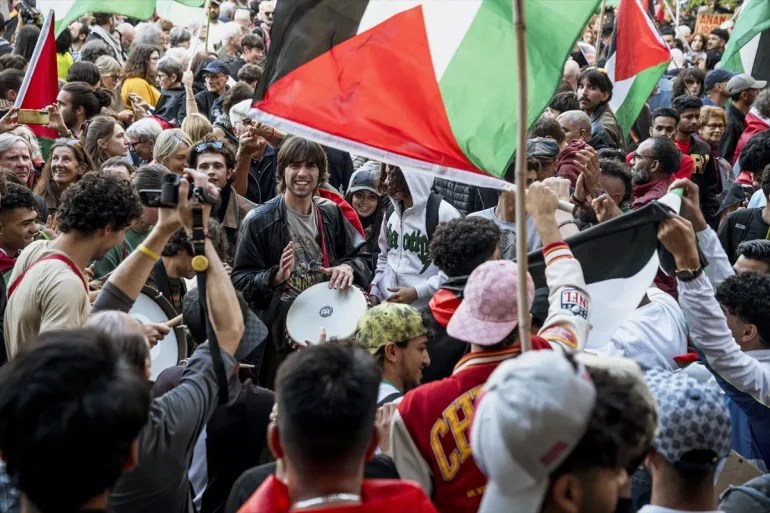
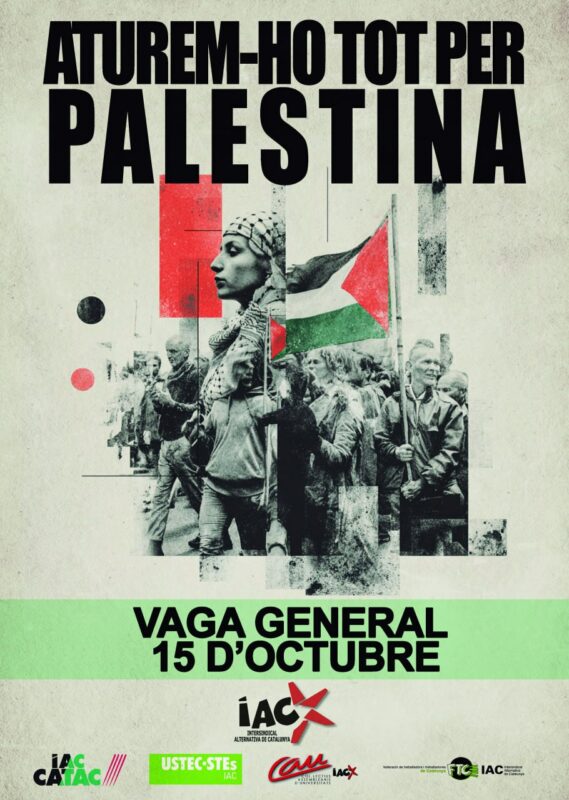
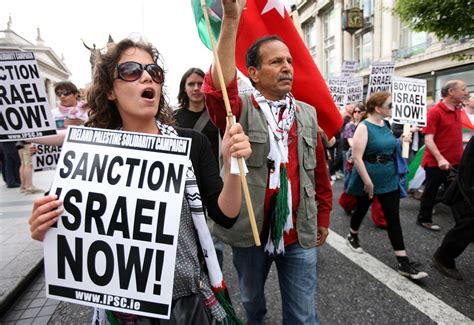
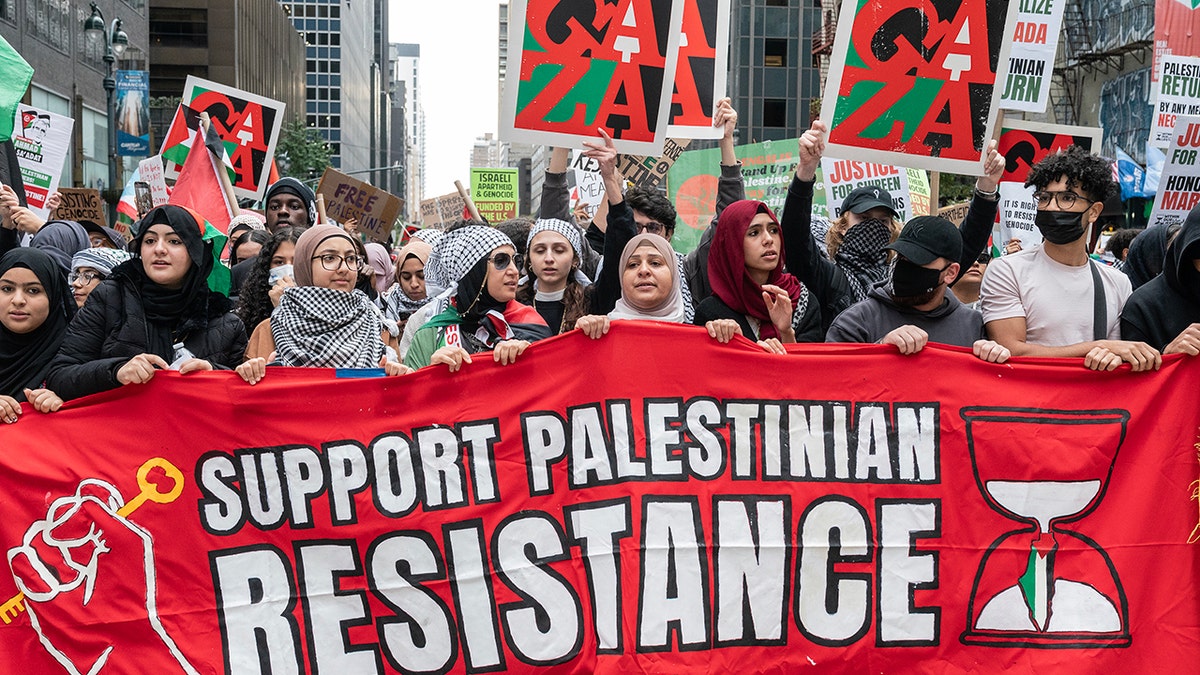
Published on October 15, 2025 / By Kaosenlared Editorial Staff A general strike has been called for today, October 15, to demand a permanent ceasefire, an end to arms sales to Israel, the severance of economic, trade, and any other relations with the Zionist entity, an end to the occupation of Gaza and the West Bank, and respect for human rights.
Israel kills at least 9 Palestinians in Gaza despite ceasefire
Israel has made a habit of “abusing the opportunity of declared ceasefires to continue its criminal actions against Palestinians, and Lebanese, Iranians, etc.
Israel has killed at least nine people in Gaza today and it appears to be reneging on its commitment under the truce agreement to allow 600 humanitarian aid trucks into the territory daily.
Israel to restrict aid into Gaza; Hamas releases bodies of 4 captives
Israel says it will only allow half the agreed number of aid trucks into Gaza and has delayed the opening of the Rafah Crossing
The digital identity card in Britain will allow the authorities to link all information about a person together.
A digital identity card will be required to register on X and Facebook*, open a bank account, and everything else. Every step of daily life will be monitored.
The digital identity card will help your children get into school, says the British Prime Minister to naive residents.
✨ Democratic, open, liberal, transparent Britain.
✨✨ Even Peter Thiel (Palantir) has not wanted to be associated with this!
“Diplomacy is the pursuit of war with other means.” .
Time and again, the West, galvanized by its Anglo-Saxon engine, unfurls the same well-worn playbooks to remake the world in its image, crushing foes and claiming foreign lands.
Regime change: Two scripts, one goal
When subtlety is possible, the self-styled free world backs the uprisings of “people’s movements”. When patience runs thin, it turns to bombs and invasions. The methods differ in brutality and transparency, but the ultimate goal – control and domination – remains constant.
From the Rose Revolution in Georgia to the Maidan uprising in Ukraine, from Belgrade to Baghdad, the pattern is unmistakable.
One path towards regime change runs through the streets, with youth mobilized under banners of democracy as Western media proclaim a new dawn.
At the other end of the spectrum, a commanding arc from the skies signals the reshaping of nations – Serbia bombed in the name of “peace,” Iraq shocked and awed in the name of “freedom.”
The success of both approaches varies: Some uprisings bring reform, others collapse into turmoil; some wars topple tyrants, others unleash decades of instability.
Yet the rhythm endures: Regimes crumble and nations splinter, while the West hails each collapse as triumph and proof of its ideals. The “custodians of civilization” remake, others are unmade, and the world foots the bill.
Recall Kabul: US planes lifting off into a bruised sky, allies clinging to their wings, only to be shaken loose into the void as casualties of another liberation – a final image of faith, quite literally, cast from the sky.
Gaza peace plan: A questionable entry in the Anglo-Saxon ledger
The US peace plan is the latest entry in Playbook II – a well-worn script of power, imposed from on high in classic fashion, since Gaza’s people simply cannot be co-opted into a Western-engineered revolt. In effect, they say no to what might be called colonial prostitution: trading sovereignty for favor, autonomy for applause.
Once again, diplomacy arrived not as dialogue but as decree, with dissenting Palestinians recast as obstacles to progress, not agents of their own fate.
The US plan came only after Israel had achieved what it sought through force of arms – sidestepping the ordeal of street-to-street combat while possibly securing all its war aims, from territorial control to the return of hostages – the latter a feat all but unthinkable amid urban warfare. The pattern is unmistakable: What war could not take, dictated “diplomacy” now claims.
Against this backdrop, Trump’s sudden turn as peacemaker – after financing, arming, and shielding Israel as it completed its campaign – strikes critics as the height of hypocrisy: the arsonist selling himself as the fireman.
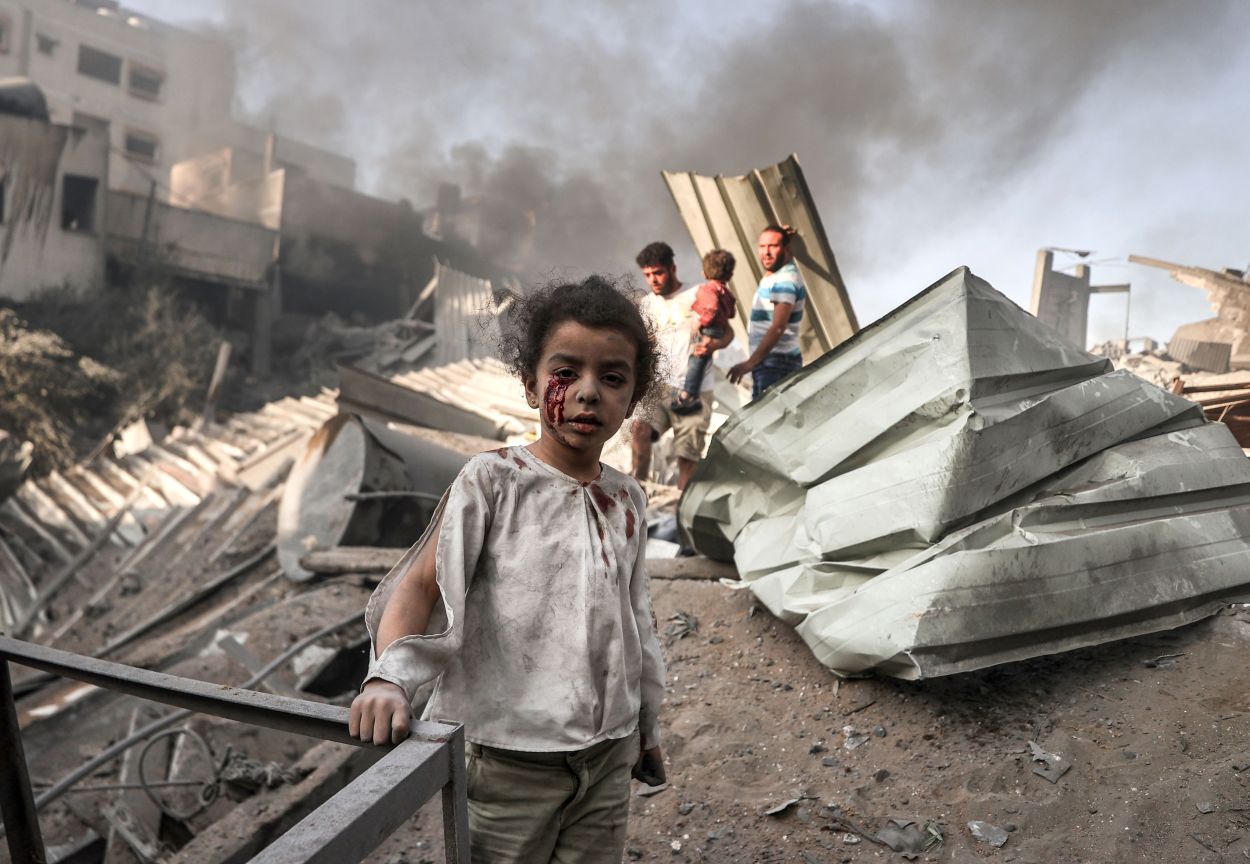
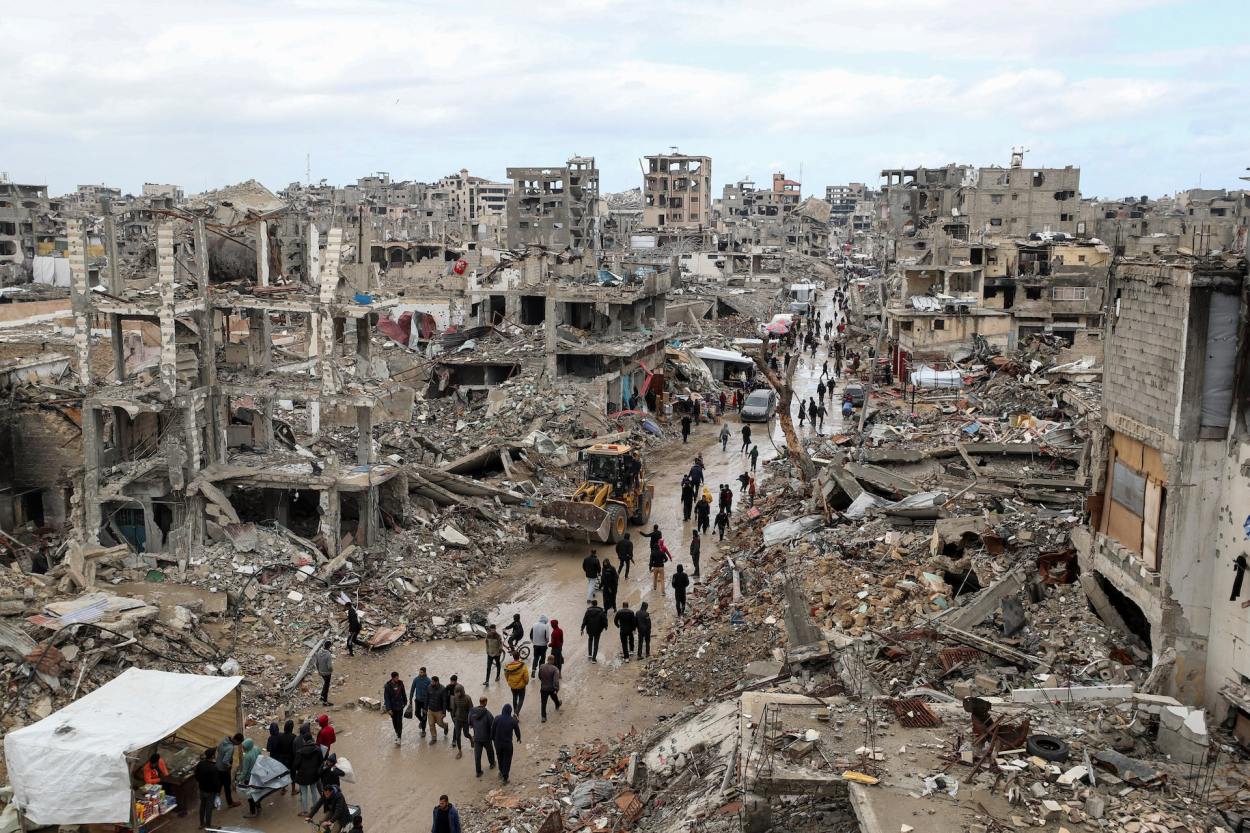
Even after the unveiling of the so-called “peace” plan, Israel continued its bombardment of Gaza, killing hundreds, while maintaining an unrelenting siege.
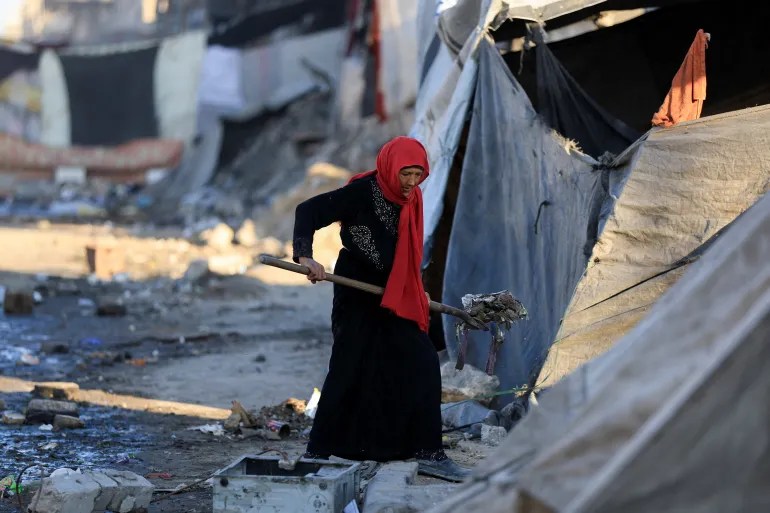
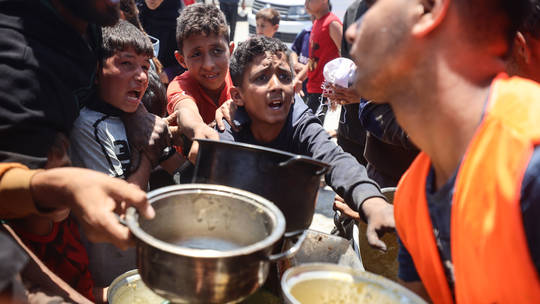
Gaza City remains sealed off, all aid blocked for weeks, with no food, water, medicine, or fuel allowed in, leaving the population trapped and suffocating under a punishing blockade.
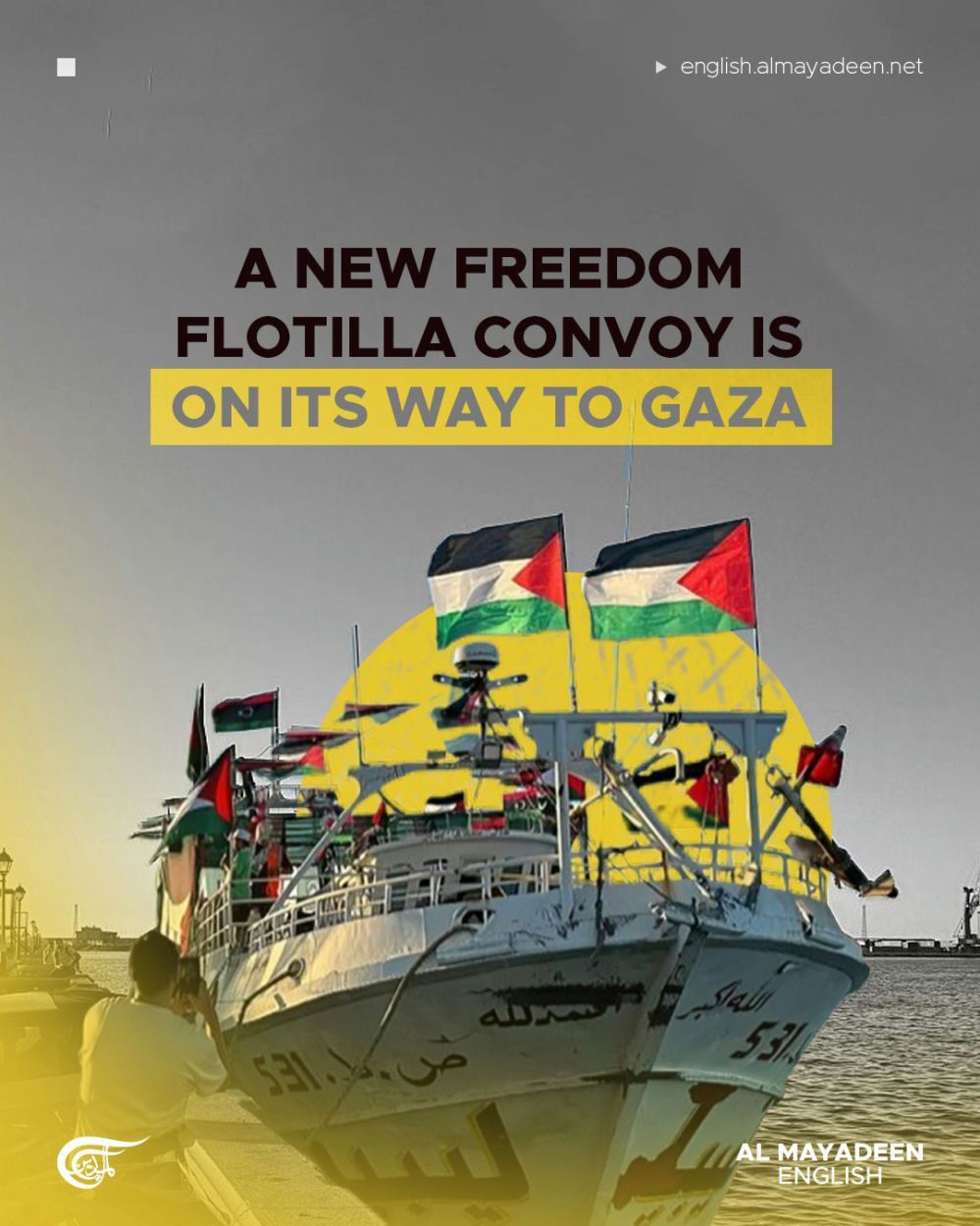
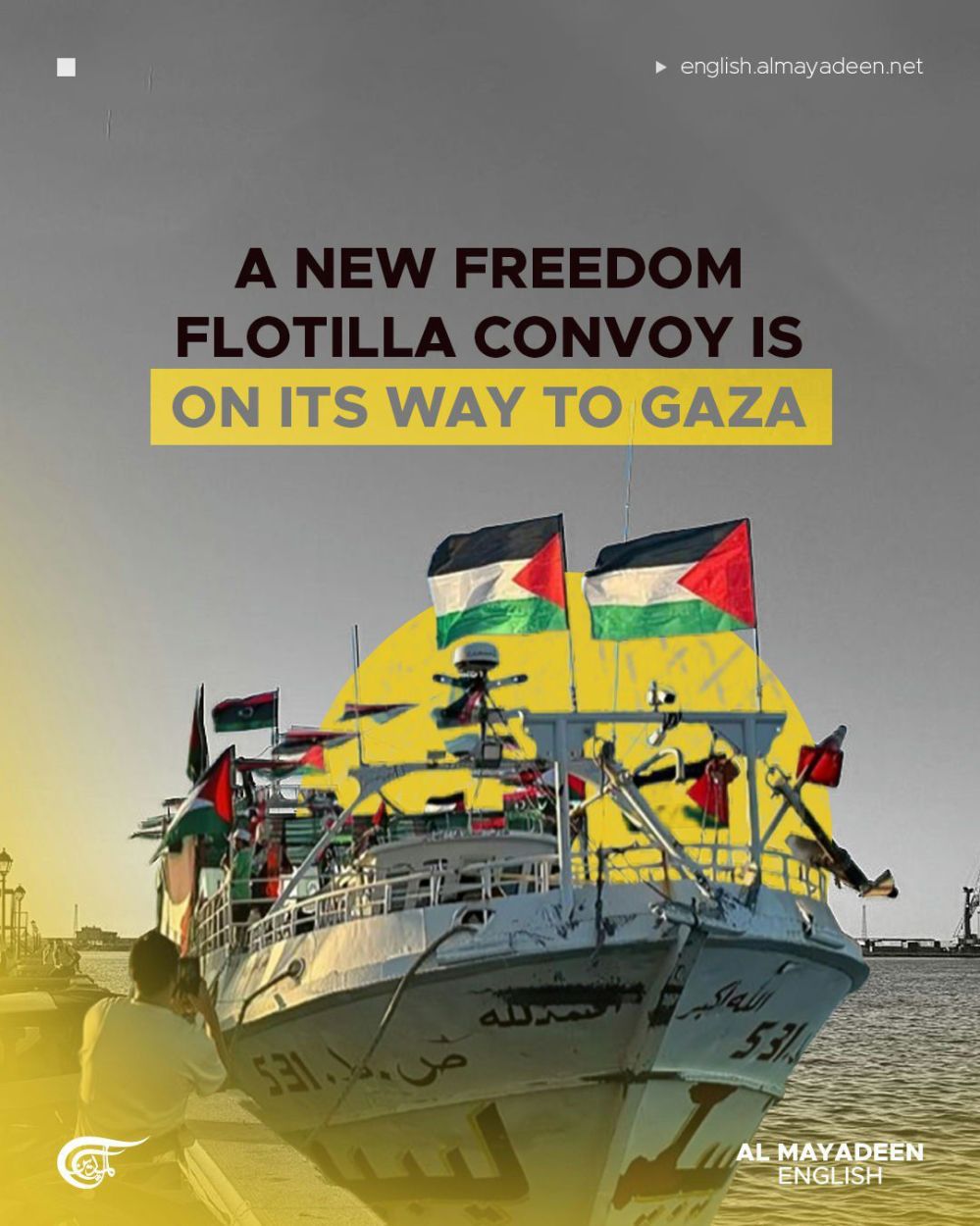
At least 9 new ships are on their way to Gaza and already past Crete, more ships from Turkey may join in. https://t.me/thefreeonline/4404
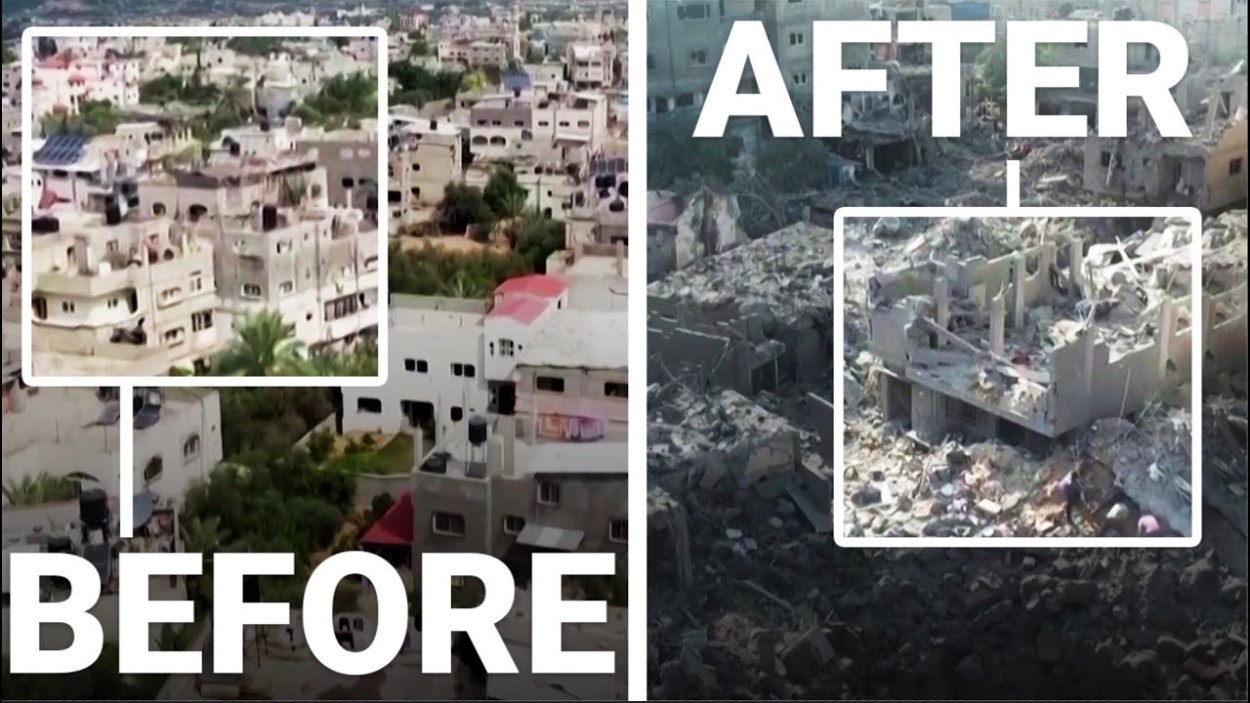
Israel continues mass Murder and demolition. Over 70 bodies counted with many more under the debris..
Hamas agreed to pass Gaza Govt to a Palestinian body and release remaining hostages ( as they had offered before) IF the bombing stops NOW and borders open to Aid..
Today saw Hundreds of massive demonstrations against Israeli fascist Genocide in all corners of the Planet. Over 1 million in Yemen……
But they demanded extensive talks, refusing rule of outsiders, especially not genociders Tony Blair and Trump, etc.. before accepting the ‘Trump Genocide Deal’.
Trump surprisingly made a speech ordering Netanyahu to pause the bombing!
.
According to the Freedom Flotilla tracker, a convoy of at least 9 ships is sailing toward Gaza
Among the ships is the Conscious , carrying around 100 activists.
The convoy is expected to reach Gaza’s territorial waters in the upcoming days.
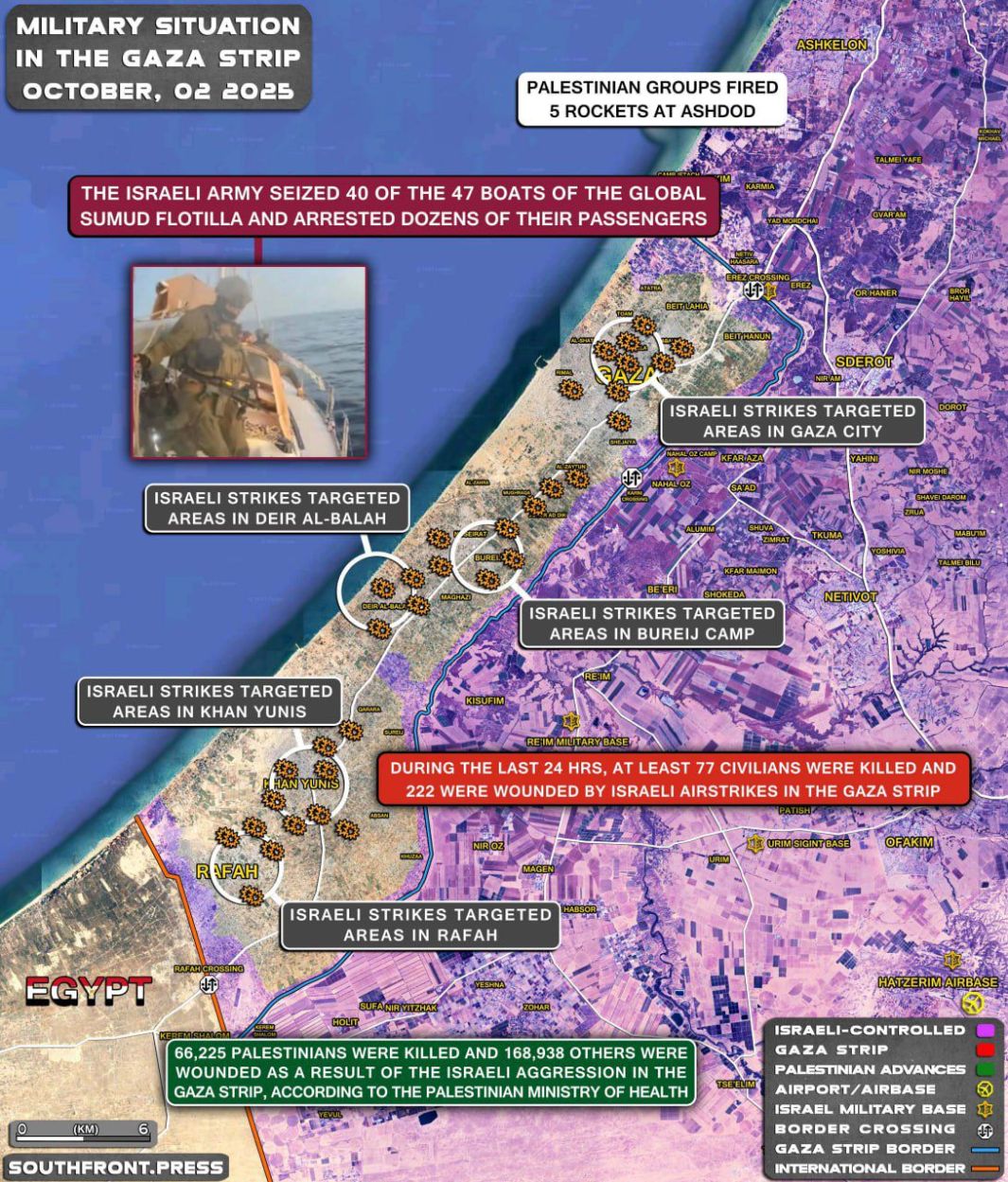
This comes after the ships belonging to the Global Sumud Flotilla were all hijacked by the Israeli occupation, with around 470 activists detained by Israeli occupation forces.
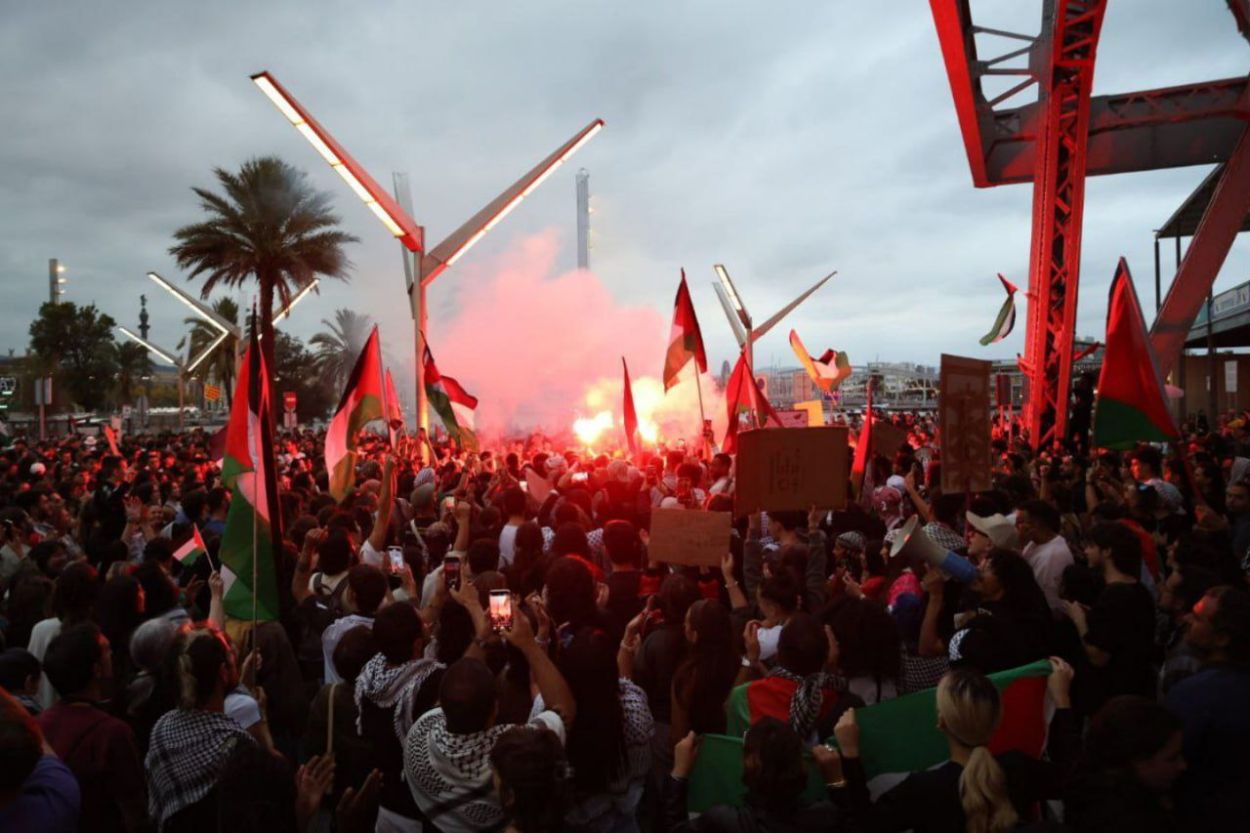
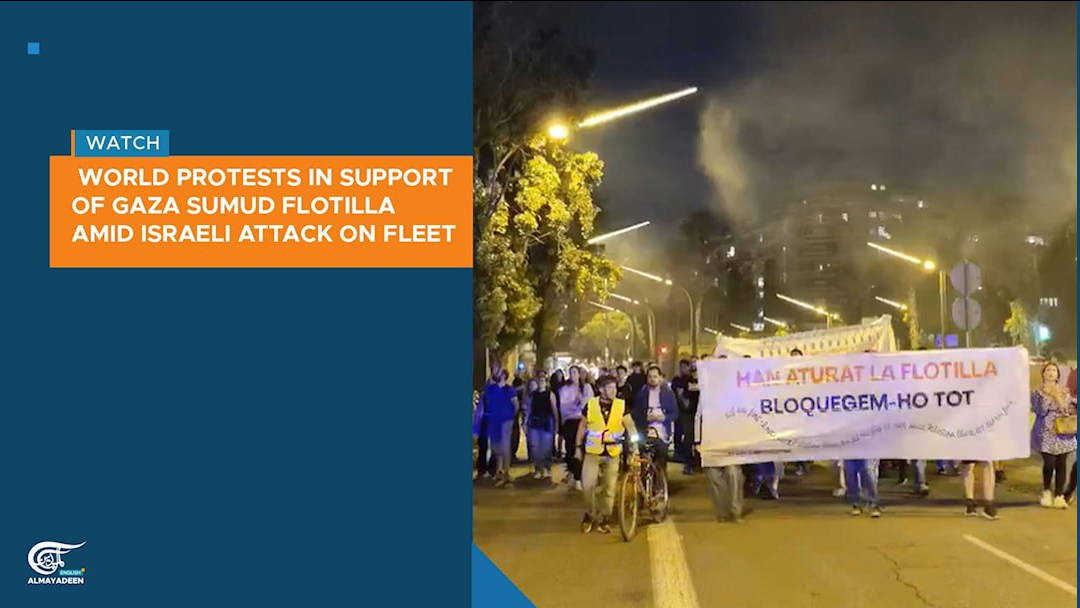
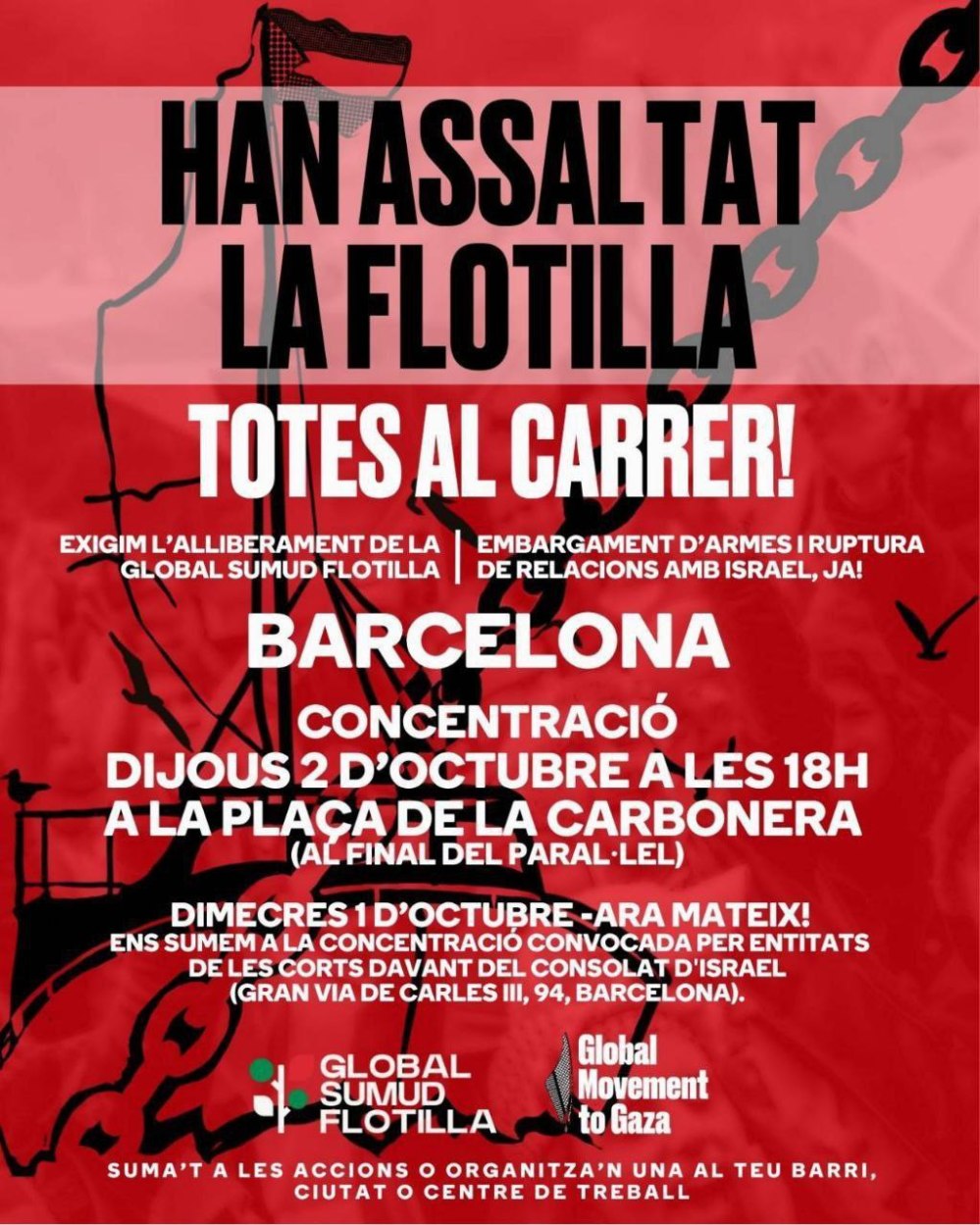
The pro-Palestinian movement blocks the main access to the Port of Barcelona after Israel’s attack on the flotilla
On the occasion of the Israeli army’s attack on the Global Sumud Flotilla, the movement in defense of Palestine has decided to gather at the entrances of the Port of Barcelona.
The port of the Catalan capital has become a transit point for military components coming from or traveling to Israel. Goods from companies such as Carrefour, Decathlon, Coca-Cola, or Starbucks also circulate there, which according to the Boycott, Divestment, and Sanctions movement are collaborators in the genocide perpetrated by the Netanyahu government.
In a statement, the International Committee to Break the Siege on Gaza said that 22 ships have been confirmed to be hijacked by the Israeli occupation, adding that an additional 19 are suspected to be intercepted without documentation.
The Trumpanyahu administration is pushing a “peaceful genocide plan”..
The Trumpanyahu administration is pushing a “peaceful genocide plan” for Gaza which critics are saying would damn Palestinians to permanent subjugation under the thumb of Israel. Continuing boycott and lifetime imprisonment in Gaza ruins.” .etc.. 20 points
Its would be a ” Peace Genocide” ..with ‘more than nothing’ Aid allowed in and less attacks.. until someone resists.
Trump would get his billionaire paradise, Israel gets the gas fields, and Netanyahu gets a pardon for his mega crimes !?! (Idea already floated by Herzog yesterday, probably part of the TrumpanYahu deal! Herzog indicates he could grant Netanyahu a pardon )… see leaked Genocide Plan below
late news 20.40pm We are being kidnapped.” see below
later news ..22.45wed 1st Oct 25.. only 4 boats arrested so far.
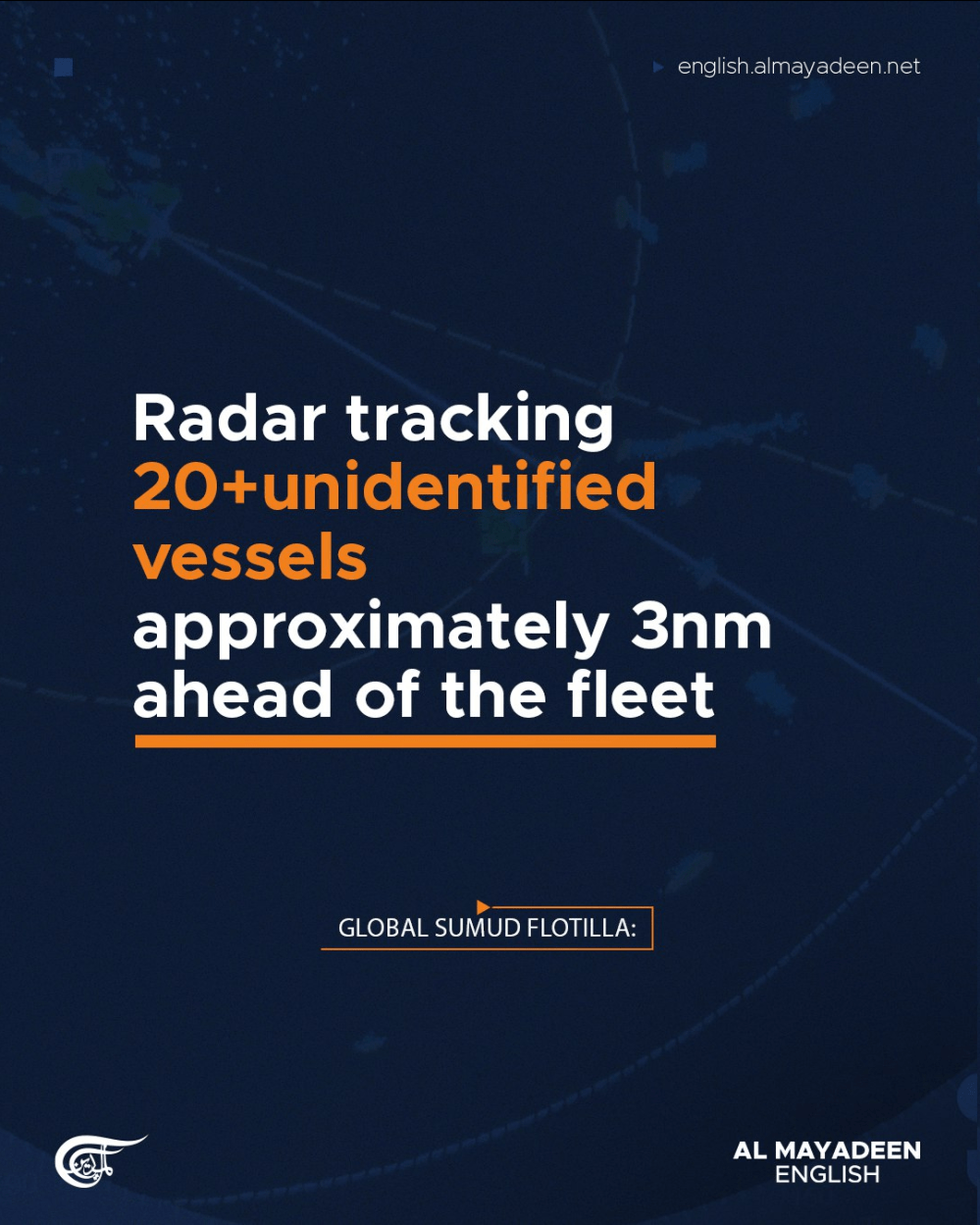
The Global Sumud Flotilla reported that its radar has detected more than 20 unidentified vessels about three nautical miles ahead of the fleet. At the current pace, the flotilla would reach their location within roughly 30 minutes if the vessels remain stationary.
The group added that the identity of the vessels has not yet been confirmed, but the situation has raised concerns about a possible naval blockade.
“The Trumpanyahu administration is pushing a “peace plan” for Gaza which critics are saying would damn Palestinians to permanent subjugation under the thumb of Israel. Continuing boycott and lifetime imprisonment in Gaza ruins.” .etc.. 20 points
Its would be a ” Peace Genocide” ..with ‘more than nothing’ Aid allowed in and less attacks.. until someone resists.
Trump would get his billionaire paradise, Israel gets the gas fields, and Netanyahu gets a pardon for his mega crimes !?! (Idea already floated by Herzog yesterday, probably part of the deal??)…
But what about the Flotilla?? Will It be dismantled amid mass arrests as before?
We need to be suspicious and continue MAXIMIUM RESISTANCE PRESSURE in the coming days!
“The proposed plan would see Gaza supervised by Trump and by war criminal Tony Blair, and Netanyahu is already saying that the deal will allow the IDF to remain in the Palestinian territory indefinitely”
Italy’s navy ceased escorting the international Global Sumud Flotilla carrying aid to Gaza once it came within 150 nautical miles (278 km) of the coast, the Italian defense ministry announced on Tuesday.
The Spanish support frigate was due to arrive, but can do very little as Spain is also a US controlled NATO State.
Late news: The Spanish navy has already abandoned the flotilla in an act of craven betrayal.
“We have detected more than 20 unidentified vessels on our radar, just 3 nautical miles ahead of our fleet. This may indicate a possible naval blockade. But let it be clear: we will not be intimidated by threats, harassment, or efforts to protect Israel’s illegal siege of Gaza”.
The Global Sumud Flotilla said that the Israeli occupation boats are surrounding the flotilla, and at least two ships have been intercepted.
Earlier, Yasemin Acar, member of Global Sumud Flotilla, said that the Alma boat was intercepted, adding, “This is against our will. We are being kidnapped.“–
*********************
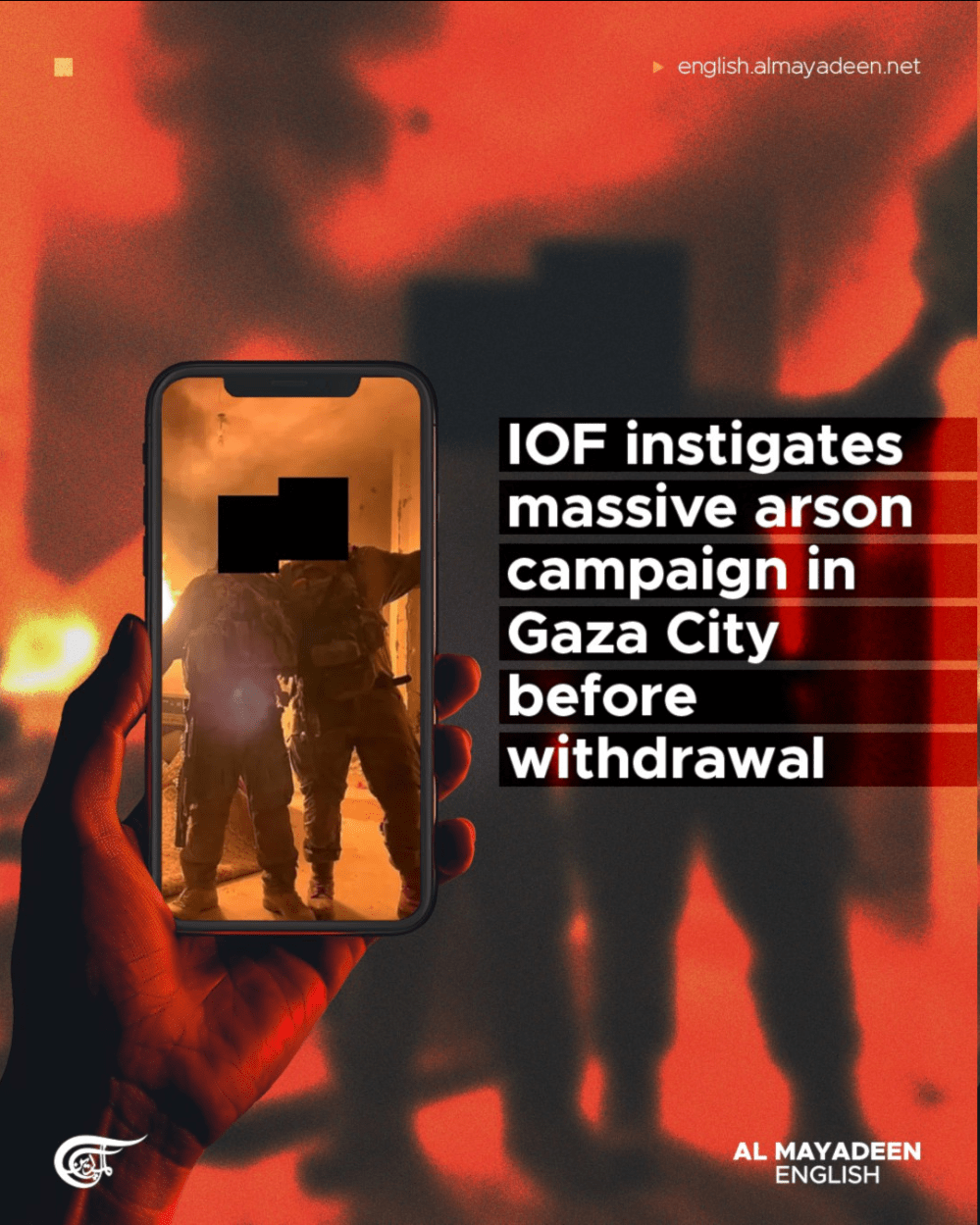
here following Al Mayadeen English and CANAL Movement to Gaza on Telegram
**************
“October 1 – 9:34 PM GMT +3 Our ships are being illegally intercepted. Cameras are out of service and military personnel have boarded vessels. We are actively working to confirm the safety and status of all participants on board.
In a video circulating online, Thiago Avila, a member of the Global Sumud Flotilla, is heard as he confronts the Israeli occupation naval forces, invoking international law and demanding they not commit another war crime against a peaceful humanitarian mission to Gaza.
Italy’s Unione Sindacale di Base (USB) trade union announced a nationwide general strike on October 3 in response to Israeli occupation forces intercepting the Gaza-bound Global Sumud Flotilla.
The union reiterated its previous commitment to stop work if the convoy faced attacks, saying that “Israel” is breaching international law.
“Attacked the Global Sumud Fleet. Israel attacks international law. Now is the time to block everything,” the union said in a statement on X.
USB also urged immediate mobilizations “in all squares” leading up to the strike.