“Every day Rojava survives is a testament that another world is not only possible but essential, which is why outside forces continue to conspire to suffocate this collective gasp for air”
from thefreeonline on 1st Aug 2024 via Medya News by Dr. Thoreau Redcrow ‘ (on Telegram: t.me/thefreeonline )

Dr. Thoreau Redcrow reflects on the significance of the Rojava Revolution on its twelfth anniversary, emphasising its philosophical and practical impacts in North and East Syria.
I was asked by Hawar News Agency to give my thoughts on the anniversary of the Rojava Revolution and what it signified for the world, based on my trips to the region.

This allowed me to observe the perseverance of martyrs’ widows living and educating themselves at the Jinwar Women’s Village the small joy of children riding a Ferris wheel in Amûdê, and the psychological scars left from the liberated dungeons and former execution sites of ISIS in Raqqa.
My time in Rojava (north and east Syria) witnessed events spanning from the Battle of Kobanê in 2014, to Turkey’s invasion and occupation of Serê Kaniyê and Girê Spî in 2019.

“Over 300,000 civilians have been displaced and hundreds killed. This is also the story of Afrin occupied back in 2018 and the ensuing ethnic cleansing which reduced the Kurdish population from 96% to an astonishing 25%. The West is UP IN ARMS at Russia invading a small part of Ukraine to save the ethnic Russian population – but totally ignores Turkey’s genocidal ethnic cleansing and Turkification of Afrin”. https://nlka.net/eng/five-years-of-hell-evil-turkish-occupied-afrin/
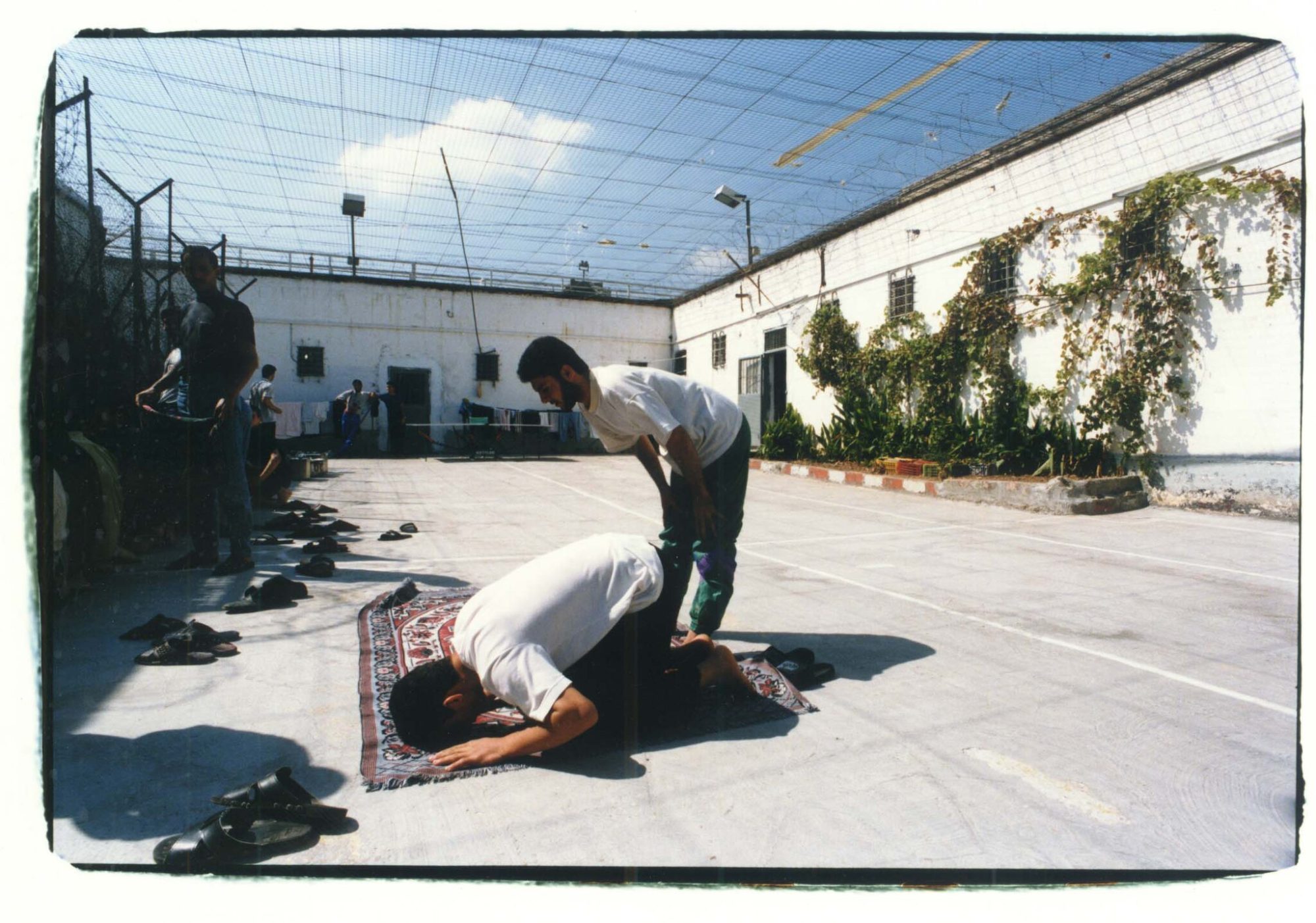
Interviewing ISIS prisoners and their wives showed me the dark alternate reality that was planned for this region if the YPG, YPJ, and SDF had not sacrificed so much to free it from their grasp.
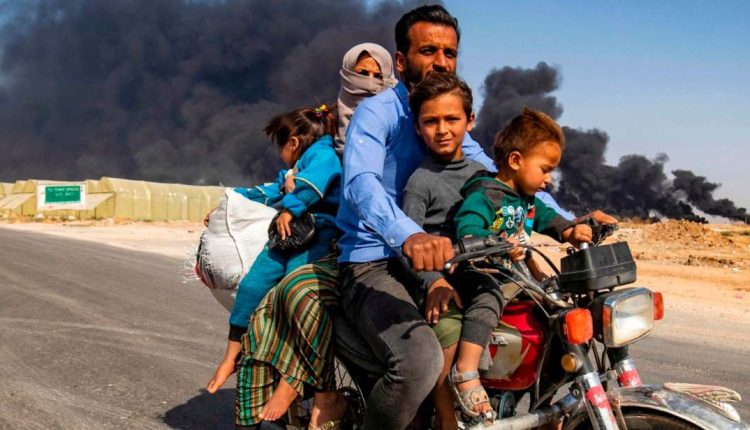
And now, as the Turkish Air Force continues to rain down death upon the valiant population of Rojava, while threatening to renew and complete the extermination that their mercenaries in ISIS began, it is incumbent on the outside world to remember what is at stake.

Jinwar – Free Women’s Village Rojava | A Radical Guide
Rojava is more than a geographical place; it is a philosophical idea brought to life, a seed scratched out of the sky by blistered hands grasping for a better future, and watered with the blood of countless şehîds (martyrs) who gave their lives so it could live.
Every day Rojava survives is a testament that another world is not only possible but essential, which is why outside forces continue to conspire to suffocate the collective gasp for air that it represents.

YPG and YPJ defense of the Rojava Revolution takes the ISIS Capital of Raqqa – now once again a thriving multi-cultural city
Rojava has already changed the world by etching its example into the annals of history, but on this 12th anniversary, we are left with the uncertainty of whether it can continue to inspire the next generation to fight for their due deliverance.
So, perhaps when considering that question, it is useful to reflect on what the Rojava Revolution represents. I am including my poem ‘All that Rojava is’ (2022), which aims to do just that.
my poem…