from thefreeoinline on 21st Dec 202 By Dr. Westen K. Shilah at HomeAfrica
Foreign interventions cannot solve security problems in Haiti, as long as they remain the main reason for insecurity in the country

By Dr. Westen K. Shilaho, scholar of Political Science and International Relations, Senior Research Fellow in Institute for Pan-African Thought and Conversation, University of Johannesburg
FILE PHOTO: Police officers patrol a neighborhood amid gang-related violence in downtown Port-au-Prince, Haiti, on April 25, 2023. © Richard PIERRIN / AFP
Last month Kenyan lawmakers approved a plan to send 1,000 police officers to Haiti ostensibly to counter gang violence and restore law and order, as part of the UN-backed Multinational Security Support Mission in Haiti.

 Workers in Haiti considered ‘salaried slaves’ – The Free
The mission, for an initial period of 12 months, was approved through the adoption of the Security Council resolution 2699 (2023). At the US behest, the Kenyan government agreed to head this multinational security force to stabilize the Caribbean nation paralyzed by crime.
The latest deterioration of the situation in Haiti, the poorest country in the northern hemisphere, came following the assassination of President Jovenel Moise in July 2021.

Uprising Intensifies in Haiti as Fuel Costs Continue to Rise / by It’s Going Down
US Chooses Shameful Hypocrisy in Forcibly Returning Haitians
But the country has been beset by turmoil since it gained independence in 1804. It was the first black nation to gain independence, and more poignantly, free itself from slavery.
What should be a symbol of black people’s resistance and triumph over imperial subjugation, a historic and gallant black nation, has been reduced to a metaphor for violence, chaos, and political instability.
Haiti’s homicide rate is so high that life expectancy “is conditionally renewable every 24 hours”. On top of that, its sorry state has been compounded by frequent natural disasters.
The existential threat to Haiti’s stability, however, is the erosion of its sovereignty by the French – its former colonisers – and the US. France for over a century brazenly looted Haiti’s resources and forced it to pay for loss of slaves and its slave colony.

This larceny hollowed out the state, obliterated its capacity and impoverished Haiti. Numerous coups, some engineered by the US, ensured instability.
For Haiti to stabilize, imperialism, and neocolonialism must be neutralized. Poorly thought-out UN-backed interventions failed before because there is no military solution to Haiti’s challenges, and this latest one is likely to end the same way.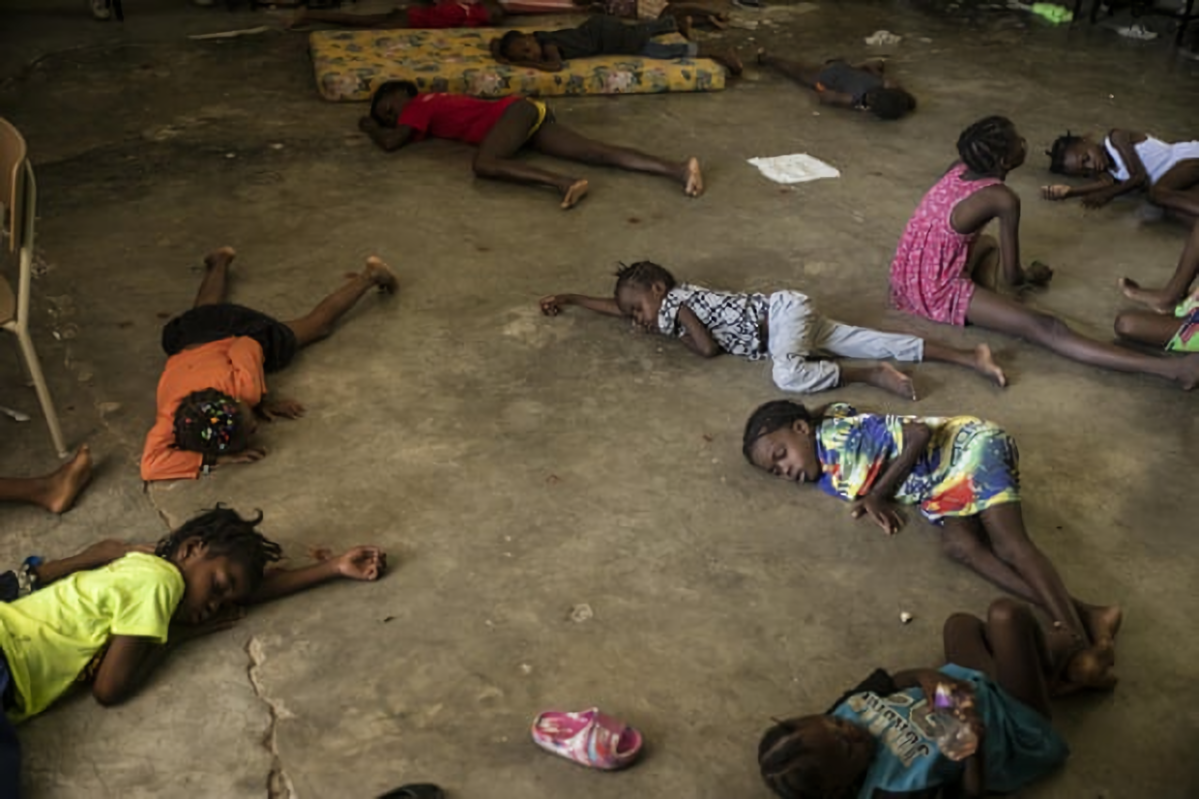
Gangs, cholera and political turmoil leave half Haiti’s children relying on aid – The Free
Kenya’s decision to deploy police officers and other supporting personnel to Haiti has elicited mixed reactions
. The government insists that it has an “international” obligation to contribute to stabilizing Haiti, part of Africa’s diaspora.
The phrase “international standards” is ubiquitous among the Kenyan elite. It betrays a Eurocentric mindset that conflates Westernization with Modernization.

Kenya ready for peacekeeping mission in Haiti
Critics question the wisdom behind deploying the police to Haiti, yet Kenya has insecurity issues of its own. Kenya’s acquiescence to lead this mission flies in the face of Pan-Africanism.
Kenya is seen as a lackey of the US in undermining the sovereignty of a fellow black country, perpetrating imperialism, and occupation.
Continue reading “Proxy colonialism in Haiti: West is using Kenya as an imperial accomplice”