Environmental balance of 2022 in Spain – Eng/Esp/Cat – Balance ambiental de 2022 en España –

Evironmental balance of 2022: the war in Europe highlights the current systemic crisis12/28/2022 | Area, cover,

from thefreeonline on 11 Jan 2023 by Ecologistas en Acción

read in Castellano | Català / English

The Confederation of Ecologistas en Acción takes stock of a year marked by the war in Ukraine and emphasizes that the rise in the price of energy preceded the start of the war: its impulse has more to do with structural elements of the systemic crisis we are experiencing.

The environmental organization is committed to the urgent adoption of radical policies to minimize progress towards the worst social, climatic and ecosystem scenarios.

The year 2022 has passed within a context of reduced availability of materials and energy, where those who are suffering the most are the popular classes.

The war in Ukraine has revealed a situation of supply crisis that, however, already existed before the Russian invasion. Faced with this situation, Ecologistas en Acción once again stresses that it is essential to reduce dependence on these resources.

The transition to this scenario is not easy, as we pointed out, together with Friends of the Earth, Greenpeace, SEO/BirdLife and WWF, in ten proposals to be developed in the face of social vulnerability and the ecological emergency.

Against the barbarism of war, during the NATO Summit in the Madrid capital, at the end of July, more than fifty activists from different territories of the Spanish State turned the Madrid War School into a Peace School, through a non-violent direct action, to demand the departure of the warlords from our country and the reduction (even the elimination) of military spending, among other demands.

Desarma Madrid, a network of which Ecologistas en Acción is a part, and the statewide organization Alternativa Antimilitarista-MOC organized the protests.

Given the situation of vulnerability, the environmental organization has demanded an end to the fossil and nuclear fuels that the EU intends to sell as green energy. A clear example can be found in the commitment to expand gas infrastructures such as the MidCat for natural gas.

This gas pipeline is unnecessary and will only accelerate the climate crisis, which is why the 2022 summer campaign of the sailboat Diosa Maat set sail leading a Tide against Gas with the aim of promoting the declaration of Municipalities Free of Gas in all municipalities.

While Spanish families have tightened their belts to pay their electricity bills and fill their shopping baskets, entities of recognized social and scientific prestige, such as the Royal Botanical Garden of Madrid and the CSIC, associate their names with some of the most polluting multinationals in the world, such as Hyundai, the sponsor of Nature on Fire.

Ecologistas en Acción has stressed that the energy waste involved in a Light Show of this magnitude is, in addition to being unnecessary, ethically and ecologically unacceptable in the current context of climate emergency and energy poverty.

The energy crisis has accelerated two related environmental problems: the lack of planning for renewable projects and mining projects.

Faced with the first problem, Ecologistas en Acción has defended the need for renewable development to be compatible with the defense of biodiversity.

Faced with mining, Ecologistas en Acción has presented this year the report Metal Recycling as an alternative to extractive mining.In October, we also participated in the organization of the Mining Contrasalón on the occasion of the International Mining Exhibition in Seville, to denounce and warn that the promotion of this sector means supporting ecological devastation, omitting the right of peoples to decide on their own territories and maintain the extraction and excessive use of natural resources.

Ecologists in Action has appealed to the Supreme Court against the Roadmap for the sustainable management of Mineral Raw Materials approved by the Government last August, with the aim of warning that the new mining law that the Ministry promotes for Ecological Transition is dictated by the mining lobby.

Since May 2021, the Climate Change Law obliges all cities with more than 50,000 inhabitants to implement their Low Emission Zone (ZBE) before 2023.

Ecologistas en Acción has prepared this year the Guide to Low Emission Zones to guide and facilitate the action of groups of local activists, and municipal teams, with climatic criteria and air quality in medium-sized cities, because for yet another year Spanish cities have failed completely.

They must suspend ozone pollution, as stated in the report Ozone pollution in the Spanish State in 2022.

In terms of water, nitrate contamination has been denounced in the supply of 197 municipalities included in the report Studies of the nitrate content in water for human consumption.

The origin points to the proliferation of intensive industrial livestock farming and the massive use of fertilizers in agriculture, sectors directly related to the critical situation that unique and important enclaves are going through such as Doñana or the Mar Menor.

The water crisis is also profoundly accentuated by the volume of irrigation in Spain, which has a higher consumption than the water reserves -surface and underground- are capable of sustaining.

This polluted reality fills the marine and terrestrial environment.

Ecologists in Action has expanded its report on Endocrine Disrupting Pesticides in Food, including those not authorized by Europe and those that are being considered to be replaced by the authorities.

Spanish food contained traces of 125 different pesticides: 57 disruptors, 64 unauthorized and 13 candidates for substitution.

In the balance of 2022 it is impossible to forget the fight against pollution in the marine environment: Ecologistas en Acción has collected 760 kilos of garbage, mainly plastic, during its annual campaign Let’s clean up the sea.

On the positive side, 2022 ends with the approval of the Royal Decree on Waste in the last Council of Ministers of the year, which has been rectified to preserve the spirit of the Waste Law and prevent the use and disposal industry, represented in Ecoembes , self-evaluate in the fulfillment of the objectives.

Consequently, a solid and transparent roadmap is committed to the arrival of the Beverage Container Deposit System, which would put an end to the 35 million beverage containers that pollute the environment and harm health every day.

Continuing with the defense of marine ecosystems, the Black Flags Report has been published for another year.

In addition, it has been proven with disappointment that the closed-door negotiations in the Council of the EU make it impossible to see the end of overfishing by 2023.

It will always be easier to prevent a crisis than to face its consequences and, as proof of this, in November the documentary Alegría premiered, commemorating the 20th anniversary of the Prestige disaster, produced by Ecoloxistas en Acción and URCO productions.

The conservation of nature and biodiversity has continued to be the great silenced and ignored crisis, something that, as the scientific community warns, puts humanity at serious risk.

The inaction of the Government has been systematically denounced by Ecologists in Action. The delay and lack of ambition of the Strategic Plan for Natural Heritage and Biodiversity, which does not include the main drivers of biodiversity destruction among its objectives, is especially inadmissible.

At the international level, the COP15 on biodiversity has been reduced to another missed opportunity to halt the loss of biodiversity.

The approved Global Framework remains halfway in most of its Goals, and although it will allow progress to continue, it may prevent the vision of “living in harmony with nature by 2050” from being fulfilled.

In addition, there remains the most important part and not always the most frequent: comply with what has been agreed.

The COP27 on climate change held in Egypt, where Ecologistas en Acción, along with other civil society organizations, raised their voices to demand human rights and climate justice, has also once again been a missed opportunity.

After reaching a final agreement in extremis, the international community was able to recognize the need to create a fund for the losses and damages suffered by the countries most vulnerable to climate change.

Despite this, Ecologistas en Acción considers it inadmissible to have lost a year in terms of the adoption of mitigation measures in the face of the climate emergency, since the final text does not include any progress with respect to COP26 in Glasgow.

To end this balance of 2022 with a good taste in the mouth, Ecologistas en Acción mentions the pressure of civil organizations that bore fruit.

This is the case of the withdrawal of Spain from the Energy Charter Treaty and the historical blockade that the treaty has suffered in its entirety: the European Parliament has requested its withdrawal en bloc.

Among the struggles to defend our territories, the environmental organization is pleased because all our arguments have been conclusively included in the Supreme Court ruling in the Valdecañas case: the development is illegal from start to finish and must be completely demolished, although The Constitutional Court has agreed in a highly questionable manner to review said ruling.

Ecologistas en Acción has recalled that it is not justice if it is not equal for all people and if the judiciary becomes an accomplice of those who, from positions of power, harass and criminalize environmental groups that defend legality, as in this case or in so many others. others.

As a closing statement, Ecologistas en Acción reiterates that all its actions are aimed at demanding an ecological transition with social justice.

Sara Acuña, coordinator of the organization, has declared: “This involves a redistribution of real wealth with radical policies, such as expropriations, basic and maximum rents, or the diversion of military spending for socio-environmental purposes.

It also involves protecting biodiversity and fighting climate change.

In short, it involves walking towards social sovereignty through the articulation of alternatives to capitalism for the satisfaction of human needs within the limits of the planet.

All of this requires degrowth and the promotion of truly renewable energy.”

A change of model is essential but it is also possible if we know how to do it. That is why Ecologistas en Acción has offered several keys to enjoy happy holidays, while contributing to responding to the systemic crisis.

The same keys that are invited to adopt throughout the year to actively contribute to making a revolution for a just and sustainable eco-social transition.

It’s vitally ecological to think that together we can do so much more: Become a partner!: ¡Asóciate!

Balance ambiental de 2022: la guerra en Europa evidencia la crisis sistémica actual

28/12/2022 | Área, portada, Confederación,Castellano | Català

Llegir Català aquí: Balanç ambiental del 2022: l

Ecologistas en Acción hace balance de un año marcado por la guerra de Ucrania y pone el énfasis en que el alza en el precio de la energía viene articulándose desde antes de la guerra: su impulso tiene que ver con elementos estructurales de la crisis sistémica que vivimos.

  • Ecologistas en Acción hace balance de un año marcado por la guerra de Ucrania y pone el énfasis en que el alza en el precio de la energía precede al comienzo de la guerra: su impulso tiene más relación con elementos estructurales de la crisis sistémica que vivimos.
  • La organización ecologista apuesta por la adopción urgente de políticas radicales para minimizar el avance hacia los peores escenarios sociales, climáticos y ecosistémicos.

El año 2022 ha transcurrido enmarcado en un contexto de reducción en la disponibilidad de materiales y energía, donde quienes más están sufriendo sus consecuencias son las clases populares. La guerra de Ucrania ha evidenciado una situación de crisis de suministros que, sin embargo, ya existía antes de la invasión rusa.

Ante tal situación, Ecologistas en Acción vuelve a incidir en que resulta imprescindible reducir la dependencia de esos recursos, aunque la transición hacia este escenario no sea sencilla, como señaló, junto a Amigos de la Tierra, Greenpeace, SEO/BirdLife y WWF,  en una batería de diez propuestas a desarrollar frente a la vulnerabilidad social y a la emergencia ecológica.

Contra la barbarie de la guerra, durante la celebración de la Cumbre de la OTAN en la capital madrileña, a finales de julio más de cincuenta activistas de diferentes territorios del Estado español convirtieron la Escuela de Guerra de Madrid en una Escuela de Paz, mediante una acción directa no violenta, para exigir la salida de los señores de la guerra de nuestro país y la reducción (hasta su eliminación) del gasto militar, entre otras demandas. Desarma Madrid, red de la que forma parte Ecologistas en Acción, y la organización estatal Alternativa Antimilitarista-MOC organizaron dicha protesta.

Ante la situación de vulnerabilidad, la organización ecologista ha exigido poner fin a los combustibles fósiles y nucleares que la UE pretende vender como energía verde. Un ejemplo claro lo encontramos en la apuesta por ampliar las infraestructuras gasistas como el MidCat para el gas natural. Este gasoducto es innecesario y solo conseguirá acelerar la crisis climática, motivo por el cual la campaña estival 2022 del velero Diosa Maat izó las velas liderando una Marea contra el gas con el objetivo de impulsar en todos los ayuntamientos la declaración de Municipios Libres de Gas.

Mientras las familias españolas se han apretado el cinturón para pagar las facturas de la luz y llenar la cesta de la compra, entidades de reconocido prestigio social y científico, como el Real Jardín Botánico de Madrid y el CSIC, asocian su nombre al de algunas de las multinacionales más contaminantes del mundo, como Hyundai, empresa patrocinadora de Naturaleza encendida. Ecologistas en Acción ha recalcado que el derroche energético que supone un espectáculo de luces de este calado es, además de innecesario, ética y ecológicamente inaceptable en el actual contexto de emergencia climática y pobreza energética.

La crisis energética ha acelerado dos problemas ambientales relacionados: la falta de planificación de proyectos renovables y los proyectos mineros. Frente al primer problema, Ecologistas en Acción ha defendido la necesidad de que el desarrollo renovable sea compatible con la defensa de la biodiversidad. Frente a la minería, Ecologistas en Acción ha presentado este año el informe Reciclaje de Metales como alternativa a la minería extractiva.

También participó en octubre en la organización del Contrasalón Minero con motivo del Salón Internacional de la Minería en Sevilla, para denunciar y alertar de que el impulso de este sector supone apoyar la devastación ecológica, omitir el derecho de los pueblos a decidir sobre sus propios territorios y mantener la extracción y el uso desmedido de recursos naturales.

A su vez, Ecologistas en Acción ha recurrido ante el Tribunal Supremo la Hoja de Ruta para la gestión sostenible de las Materias Primas Minerales aprobada por el Gobierno el pasado mes de agosto, con el objetivo de alertar de que la nueva ley de minas que impulsa el Ministerio para la Transición Ecológica viene dictada por el lobby minero.

Desde mayo de 2021, la Ley de Cambio Climático obliga a todas las ciudades de más de 50.000 habitantes a poner en marcha su Zona de Bajas Emisiones (ZBE) antes de 2023. Ecologistas en Acción ha elaborado este año la guía Las Zonas de Bajas Emisiones para orientar y facilitar la acción de los grupos de activistas locales, y los equipos municipales, con criterios climáticos y de calidad del aire en ciudades medias, porque otro año más las ciudades españolas vuelven a suspender en contaminación por ozono, como se recoge en el informe La contaminación por ozono en el Estado español en 2022.

En materia de agua se ha denunciado la contaminación por nitratos en el abastecimiento de 197 municipios recogidos en el informe Estudios del contenido de nitratos en las aguas de consumo humano. El origen apunta a la proliferación de ganadería industrial intensiva y el uso masivo de abonos en la agricultura, sectores directamente relacionados con la situación crítica que atraviesan enclaves tan singulares e importantes como Doñana o el Mar Menor. La crisis hídrica también está profundamente acentuada por un volumen de regadío en España, que tiene un consumo superior al que las reservas hídricas —superficiales y subterráneas— son capaces de sostener.

Esta realidad contaminada  trasciende al medio marino y terrestre. Ecologistas en Acción ha ampliado su informe Plaguicidas Disruptores Endocrinos en Alimentos, incluyendo los no autorizados por Europa y los que se contempla ser sustituidos por las autoridades. Los alimentos españoles contenían restos de 125 plaguicidas diferentes: 57 disruptores, 64 no autorizados y 13 candidatos a su sustitución.

En el balance de 2022 resulta imposible olvidar la lucha contra la contaminación en el medio marino: Ecologistas en Acción ha recogido 760 kilos de basura, principalmente plásticos, durante su campaña anual Limpiemos el mar. Como parte positiva, se termina 2022 con la aprobación del Real Decreto de Residuos en el último Consejo de Ministros del año, que ha sido rectificado para preservar el espíritu de la Ley de Residuos e impedir que la industria del usar y tirar, representada en Ecoembes, se autoevalúe en el cumplimiento de los objetivos. En consecuencia, se apuesta por una hoja de ruta sólida y transparente para la llegada del Sistema de Depósito de envases de bebidas, con el que se lograría poner fin a los 35 millones de envases de bebidas que cada día contaminan el entorno y dañan la salud de las personas

Siguiendo con la defensa de ecosistemas marinos, se ha publicado un año más el Informe Banderas Negras. Además, se ha comprobado con decepción que las negociaciones a puerta cerrada en el Consejo de la UE hacen imposible ver el fin de la sobrepesca para 2023. Siempre será más fácil prevenir una crisis que afrontar sus consecuencias y, como muestra de ello, en noviembre se estrenó el documental Alegría, en conmemoración del 20º aniversario del desastre del Prestige, una producción de Ecoloxistas en Acción y URCO productions.

La conservación de la naturaleza y de la biodiversidad ha seguido siendo la gran crisis silenciada y obviada, algo que, como advierte la comunidad científica, pone en grave situación de riesgo a la humanidad. La inacción del Gobierno ha sido sistemáticamente denunciada por Ecologistas en Acción. Resulta especialmente inadmisible el retraso y la falta de ambición del Plan Estratégico del Patrimonio Natural y la Biodiversidad que no incorpora dentro de los objetivos a los principales impulsores de destrucción de la biodiversidad.

En el plano internacional, la COP15  sobre biodiversidad se ha visto reducida a otra oportunidad perdida para frenar la pérdida de biodiversidad. El Marco Global aprobado se queda a mitad de camino en la mayoría de sus Metas, y aunque permitirá continuar avanzando puede impedir que se cumpla la visión de “vivir en armonía con la naturaleza en 2050”. Además, queda la parte más importante y no siempre la más frecuente: cumplir lo acordado.

También ha vuelto a ser una oportunidad perdida la COP27 sobre cambio climático celebrada en Egipto, donde Ecologistas en Acción, junto a otras organizaciones de la sociedad civil, alzó su voz para exigir derechos humanos y justicia climática. Tras alcanzar un acuerdo final in extremis, se consiguió que la comunidad internacional reconociera la necesidad de crear un fondo para las pérdidas y los daños que sufren los países más vulnerables ante el cambio climático. A pesar de ello, Ecologistas en Acción considera inadmisible haber perdido un año en cuanto a la adopción de medidas para la mitigación frente a la emergencia climática, pues el texto final no recoge avance alguno respecto a la COP26 en Glasgow.

Para terminar con buen sabor de boca este balance de 2022, Ecologistas en Acción hace mención a la presión de las organizaciones civiles que dan sus frutos. Es el caso de la salida de España del Tratado de la Carta de la Energía y el bloqueo histórico que ha sufrido el tratado en su totalidad: el Parlamento Europeo ha pedido su salida en bloque.

Entre las luchas para defender nuestros territorios, la organización ecologista se felicita porque todos nuestros argumentos han sido recogidos de forma contundente en la sentencia del Tribunal Supremo por el caso de Valdecañas: la urbanización es ilegal de principio a fin y deberá demolerse por completo, aunque el Tribunal Constitucional haya accedido de manera muy cuestionable a revisar dicha sentencia. Ecologistas en Acción ha recordado que no es justicia si no es igual para todas las personas y si el poder judicial se hace cómplice de quienes desde posiciones de poder acosan y criminalizan a los colectivos ecologistas que defienden la legalidad, como en este caso o en tantos otros.

Como cierre a su balance, Ecologistas en Acción reitera que todas sus acciones están orientadas a exigir una transición ecológica con justicia social. Sara Acuña, coordinadora de la organización, ha declarado: “Esto pasa por una redistribución de la riqueza real con políticas radicales, como las expropiaciones, las rentas básicas y máximas, o el desvío del gasto militar para fines socioambientales.

También pasa por proteger la biodiversidad y por luchar contra el cambio climático. En definitiva, pasa por caminar hacia la soberanía social mediante la articulación de alternativas al capitalismo para la satisfacción de las necesidades humanas dentro de los límites del planeta. Todo esto requiere decrecimiento y el fomento de energía realmente renovable”.

Un cambio de modelo es imprescindible pero también es posible si sabemos cómo hacerlo. Por eso Ecologistas en Acción ha ofrecido varias claves para disfrutar de unas fiestas felices, al tiempo que se contribuye a dar respuesta a la crisis sistémica.

Las mismas claves que se invitan a adoptar durante todo el año para contribuir de forma activa a hacer revolución por una transición ecosocial justa y sostenible.

Es de una Ecológica Aplastante pensar que juntas podemos hacer mucho más: ¡Asóciate!

Castellano | Català

How Zapatismo promotes autonomy in Latin America – Interview with Raúl Zibechi

from thefreeonline on by MaryAnn Tenuto-Sanchez and Daliri Oropeza Alvarez at Chiapas Support Committee and Compañero Manuel blog

29 years after the EZLN Uprising, the journalist and popular educator Raúl Zibechi evaluates the validity of the Zapatismo of Chiapas in the social and indigenous movements of Latin America and the processes that they experience before the progressive governments today.

Photos: Pedro Anza and Isabel Mateos

MEXICO CITY – Raúl Zibechi is a popular educator, journalist and writer who lives in Montevideo, Uruguay -where he has his library – when he isn’t traveling in Latin America. He is part of the Desinformémonos team, and collaborates in several media such as La Jornada, in Gara or Brecha, a media created by Mario Benedetti and Eduardo Galeano.

Zibechi is a referent for the analysis of anti-capitalist movements. For him, what’s important about the Uprising of the Zapatista National Liberation Army (EZLN, Ejército Zapatista de Liberación Nacional) in 1994 and what has been constructed in these 29 years in Chiapas is “showing that it’s a possible path,” to autonomy.

He takes stock of the Zapatista Journey in Europe, the solidarity and horizons it opens up in Latin America for social movements. At the same time, he talks about the social context for indigenous movements with progressive governments, “they embody a possibility and in turn a risk,” he says in an interview.

He gives an overview of how progressive governments have people from the struggles in their ranks and this implies a risk for social or indigenous movements.

The journalist has closely followed the process of Pueblos Unidos, Nahua communities that united for water from the Cholultec region in Puebla, Mexico, who closed a Bonafont plant and managed to recover water from their own wells.

There, in the closed Bonafont plant, he gave workshops and presented books. Although they were evicted, Zibechi returned this 2022 to present his book Other Worlds and peoples in movement. Debates on anti-colonialism and transition in Latin America.

In an interview he describes how the processes of dispossession, whether by corporations or States, cause division in indigenous peoples or social organizations, and talks about avoiding confrontation, given the difficulty of recovering the social fabric.

He assures us that we cannot forget that the subjects of decolonization are the peoples. He emphasizes that it’s important to think collectively and Zapatismo has stood out in that, in the simultaneous doing-reflection.

He participates in the interview from Montevideo, where he participates in a movement called Popular Subsistence Market, a collective of 53 nodes in networks dedicated to the community purchase and distribution of food that they buy from recovered factories, from peasants directly, or from production cooperatives.

Las Margaritas, Chiapas, Dec.31, 2018. Members of the comandancia and the Good Government Juntas, bases of support and social organizations, attend the celebration for the 25th anniversary of the insurrection of the Zapatista National Liberation Army. The event was held in the Zapatista Caracol of La Realidad. Photo: Pedro Anza /cuartoscuro.com.

interview – The uprising and its contagions

— 29 years later, why is it important to remember the Zapatista Uprising?

—It’s important because it marks a watershed in Latin America and the world. But we are going to stay in Latin America, at a time when real socialism had fallen. Between 1989 and 1991 there was an implosion of Soviet and Eastern European socialism and no social changes were in sight.

There was a complete triumph of neoliberal capitalism in the world. ‘The Commodity Consensus’, as an Argentine sociologist calls it. That on the one hand, and on the other hand, the vociferous advocacy of native peoples, in this case the peoples with Mayan roots, marks a turning point in what previous struggles used to be, they placed autonomy in a prominent place. The construction of autonomies instead of the struggle for state power.

Continue reading “How Zapatismo promotes autonomy in Latin America – Interview with Raúl Zibechi”

Seeing Is Believing: What the Data Reveal About Mass Deaths Following COVID Vaccine Rollouts Around the World

from thefreeonline on 01/09/23 by  Gavin de Becker at COVID Archives • Children’s Health Defense

Why would so many countries big and small, rich and poor, in different parts of the world, some with congested cities, some sparsely populated, cold weather or hot weather, tropical or desert, high altitude or low altitude, small islands or landlocked — why would they ALL see increases in COVID-19 deaths after mass vaccination?

I asked Ed Dowd if I could have space in his book, “‘Cause Unknown’: The Epidemic of Sudden Deaths in 2021 and 2022,” for an article about what we saw around the world as mass vaccination commenced.

covid vaccine seeing believing cause unknown feature

In light of Dowd’s stunning analysis, it is particularly instructive to look at data for those countries that did not have high numbers of COVID-19 deaths prior to mass vaccination, because they afford the simplest comparison:

  1. They had very low rates of death attributed to COVID-19.
  2. Then they commenced mass vaccination.
  3. Then they experienced huge increases in deaths attributed to COVID-19.

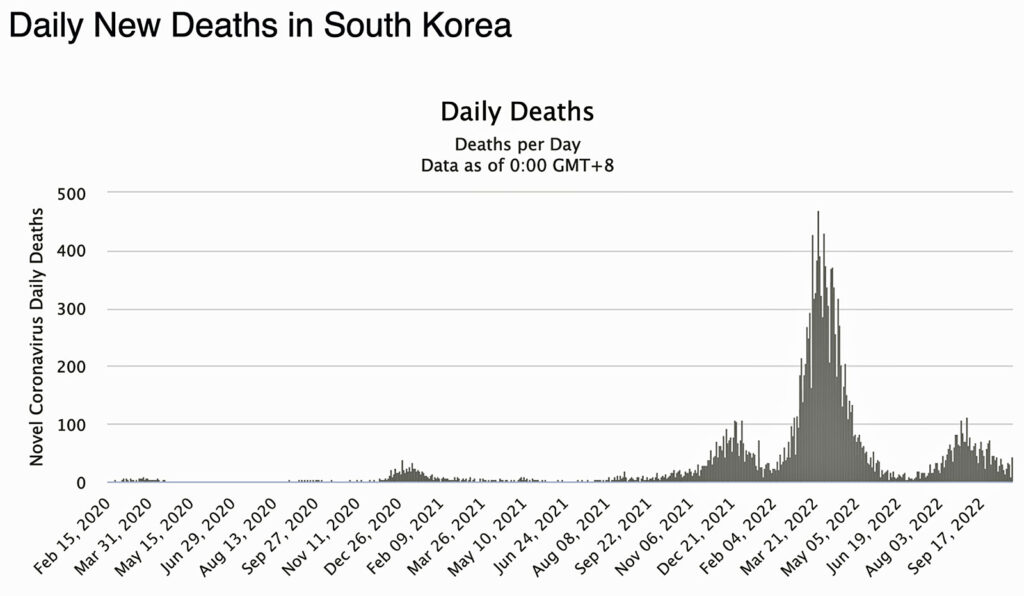
South Korea gives us a fast example among many: Prior to the country’s wide rollout of mRNA vaccines, Korea had almost no COVID-19 deaths. You see that nearly all their COVID-19 deaths occurred after mass vaccination.

2 daily new deaths south korea

Due to frequent supply problems, South Korea’s mass vaccination program really took off after the third quarter of 2021 when they borrowed hundreds of thousands of Pfizer doses from Israel. Their COVID-19 deaths soon followed. That wasn’t supposed to happen.

Continue reading “Seeing Is Believing: What the Data Reveal About Mass Deaths Following COVID Vaccine Rollouts Around the World”

Not even ONE Refugee accepted in UK via Afghan Resettlement Scheme in past 12 months

Stark contrast to treatment of Ukrainian refugees

from thefreeonline by SKWAWKBOX (SW) on 10/01/2023

A thing of the past: Afghan refugees on board a plane to the UK

News has emerged today that the UK government has not accepted a single refugee under the Afghan Resettlement Scheme in the past twelve months.

The scheme is meant to help Afghans and their familes who assisted western forces during the Afghan conflict.

Yet the complete absence of successful applications stands in stark contrast to the eagerness of the UK government to make room for and fund Ukrainian refugees.

AnalysisBreaking

Critics have accused the government of treating refugees differently depending on their skin tone and religion.

SKWAWKBOX

Dr. Robert Malone… The WEF should be shut down and all young global leaders and globalists should be removed from office

Lou's avatarTales from the Conspiratum

View original post

German tanks, U.S. armored combat vehicles, Patriot missiles may be headed to Ukraine

Rick Rozoff's avatarAnti-bellum

Polish Press Agency
January 9, 2023

Poland may offer Ukraine some Leopard tanks under broader coalition

Discussions about handing German-made Leopard tanks to Ukraine continue, and Poland would like to be part of a group of Western donors, the presidential foreign policy advisor has said.

Jakub Kumoch told the private broadcaster Radio Zet on Monday that Poland advocated setting up a broader coalition of Western donors to pool their resources and offer Kyiv a significant number of Leopard tanks.

“And there are no talks about…handing over all or a large number of Leopards, but about symbolic support and participation in a coalition of several countries,” Kumoch said, adding that Poland could donate between several and a dozen or so tanks.

***

On Friday, the Wall Street Journal reported that the Polish government was considering Ukraine’s request for Leopard 2 tanks. According to the WSJ, Poland has more than 240…

View original post 316 more words

Pfizer’s Long History of Fraud, Corruption and KILLING us IGNORED as Rich Cash In – proof +twitter thread

from thefreeonline By Rhoda Wilson and Kanekoa at The Expose on •( 6 Comments )

Pfizer has habitually engaged in illegal and corrupt marketing practices, bribed physicians and suppressed adverse trial results.

This is no secret, yet this fact continues to be brushed under the rug by corrupted politicians and corporate media.

And despite Pfizer having a long history of prioritising profits over human lives, Big Tech, Big Government and Big Media will not allow criticism of Pfizer’s covid “vaccines.”

In a Twitter thread, Kanekoa the Great listed some instances showing the criminality of Pfizer beginning with a lawsuit in 1994 regarding a heart valve that killed hundreds of people and ending with the covid injections which have injured and killed untold numbers of people.

see also Pfizer Bribed Nigerian Officials in Fatal Drug Trial that killed children,

“This is only a partial list of the fraud, corruption, and criminality of Pfizer. There are other examples of Pfizer unethically testing pharmaceutical products in the world’s poorest nations and participating in other criminal actions,” Kanekoa wrote.

We have saved copiesof Kanekoa’s 34/long Twitter thread and attached it below for those who don’t use Twitter.

Download Thread-by-@KanekoaTheGreat-Pfizer Download

Two weeks before posting the Twitter thread, Kanekoa published the article below on the same subject..

Pfizer’s History of Fraud, Corruption, and Using Nigerian Children as ‘Human Guinea Pigs’

By Kanekoa the Great

One of the most significant cultural transformations of the last two years has been the newfound glorification of the pharmaceutical industry.  An industry plagued by decades of fraud, corruption, and criminality managed to quickly rebrand itself as the saviour of humanity during the covid-19 crisis. 

see also> A brief history of an Evil Empire: Pfizer

But nothing inherently changed. Big Pharma still values shareholders’ profits more than people’s lives.  The regulatory agencies still operate as revolving doors to the pharmaceutical giants they are said to regulate.  Big Pharma still dominates lobbying efforts in Washington DC and spends billions each year advertising pharmaceutical products.

Despite the notorious corrupt nature of the pharmaceutical industry, Pfizer’s CEO Albert Bourla claimed during a November 2021 interview, that a small group of “medical professionals” who are intentionally circulating “misinformation” critical of the Pfizer vaccine narrative are “criminals”.  Bourla seemed to have forgotten about the history of his own company.

see also> Pfizer, Killed and maimed children in Nigeria-called it ethical …

Pfizer’s Long History of Criminal Behaviour

In 1992, Pfizer agreed to pay between $165 million and $215 million to settle lawsuits arising from the fracturing of its Bjork-Shiley Convexo-Concave heart valve, which at the time had resulted in nearly 300 deaths, and by 2012 had resulted in 663 deaths.

In 1994, Pfizer agreed to pay $10.75 million to settle Justice Department claims that the company lied to get federal approval for a mechanical heart valve that has fractured, killing hundreds of patients worldwide. Under the settlement, Pfizer also agreed to pay $9.25 million in coming years to monitor patients who received the device at Veterans Administration hospitals or pay for its removal. The deal was criticised by consumer rights activists who urged Government officials to bring criminal charges and lobbied for a steeper civil penalty for the multibillion-dollar company that had covered up safety concerns even as the device was killing patients.

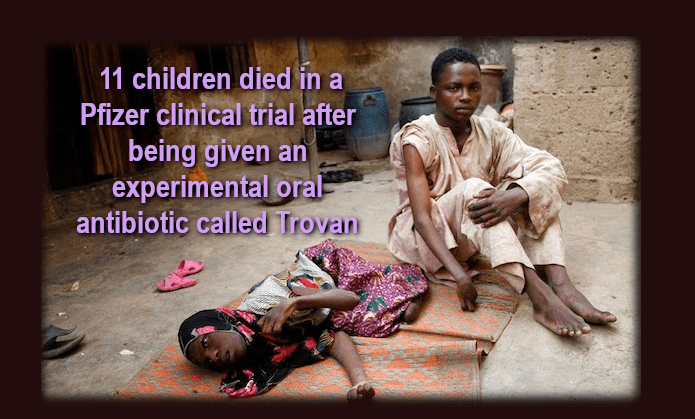
In 1996, Pfizer administered an experimental drug during a clinical trial on 200 children in Nigeria but never told the parents that their children were the subjects of an experiment. Eleven of the children died and many others suffered side effects such as brain damage and organ failure.

A report by Nigeria’s health ministry concluded, the experiment was “an illegal trial of an unregistered drug,” a “clear case of exploitation of the ignorant,” and a violation of Nigerian and international law. Pfizer did not obtain consent or inform the patients that they were the subjects of an experiment, not the recipients of an approved drug.

https://www.youtube.com/embed/du7aipgaMrY?version=3&rel=1&showsearch=0&showinfo=1&iv_load_policy=1&fs=1&hl=en-US&autohide=2&wmode=transparentAl Jazeera: Nigerian Pfizer victims’ compensation fears, 26 June 2011 (2 mins)

In 2002, Pfizer agreed to pay $49 million to settle allegations that the drug company defrauded the federal government and 40 states by charging too much for its cholesterol treatment Lipitor. Lipitor had sales of $6.45 billion in 2001.

In 2004, Pfizer agreed to plead guilty to two felonies and paid $430 million in penalties to settle charges that it fraudulently promoted the drug Neurontin for unapproved uses. Pfizer agreed that it aggressively marketed the epilepsy drug by illicit means for unrelated conditions including bipolar disorder, pain, migraine headaches, and drug and alcohol withdrawal. Pfizer’s tactics included planting company operatives in the audience at medical education events and bribing doctors with luxury trips.

In 2008, the New York Times published an article entitled, “Experts Conclude Pfizer Manipulated Studies.” Pfizer delayed the publication of negative studies, spun negative data to place it in a more positive light, and controlled the flow of clinical research data in order to promote its epilepsy drug Neurontin. Pfizer discontinued its marketing program for Neurontin in 2004 after the drug became available as a generic. That same year, the company paid $430 million to settle federal criminal and civil claims that one of its subsidiaries had promoted the drug for unapproved uses.

In 2009, Pfizer was fined $2.3 billion, then the largest healthcare fraud settlement and the largest criminal fine ever imposed in the United States. Pfizer pled guilty to misbranding the painkiller Bextra with “the intent to defraud or mislead”, promoting the drug to treat acute pain at dosages the FDA had previously deemed dangerously high. The government alleged that Pfizer had paid kickbacks to compliant doctors and also promoted three other drugs illegally: the antipsychotic Geodon, an antibiotic Zyvox, and the antiepileptic drug Lyrica.

In 2009, Pfizer paid $750 million to settle 35,000 claims that its drug, Rezulin, was responsible for 63 deaths and dozens of liver failures. Rezulin’s withdrawal from the US market on March 21, 2000, followed negotiations between the drug’s manufacturer and the FDA. Senior FDA officials had long stood behind the drug despite a mounting death toll and Rezulin’s absence of proven life-saving benefits. The position of the FDA officials stood in contrast to their counterparts in Britain, where Rezulin was removed effective Dec. 1, 1997.

see also>Pfizer victims fear DNA testing

In 2010, Pfizer was ordered to pay $142.1 million in damages for violating federal anti-racketeering law by its fraudulent sale and marketing of Neurontin for uses not approved by the FDA. The jury found that Pfizer’s marketing of ‘Neurontin’ violated both the Racketeer Influenced and Corrupt Organizations Act (RICO) and California’s Unfair Competition Law.

In 2010, the New York Times published an article entitled, “Pfizer Gives Details on Payments to Doctors”. Pfizer admitted that it paid about $20 million to 4,500 doctors and other medical professionals for consulting and speaking on its behalf in the last six months of 2009.

Pfizer also paid $15.3 million to 250 academic medical centres and other research groups for clinical trials in the same period. The disclosures were required by an agreement that the company signed to settle a federal investigation into the illegal promotion of drugs for off-label uses.

In 2010, Blue Cross Blue Shield filed a lawsuit against Pfizer accusing the pharmaceutical giant of illegally bribing 5,000 doctors with lavish Caribbean vacations, golf games, massages, and other recreational activities to convince doctors to use Bextra for off-label use.

In 2010, leaked cables between Pfizer and US officials in Nigeria showed that Pfizer had hired investigators to unearth evidence of corruption against the Nigerian attorney general to blackmail him to drop legal action over the controversial 1996 Trovan trial involving children with meningitis.

In 2009, Pfizer agreed to pay $75 million to the families harmed during the 1996 drug trial, but the cables suggest that the US drug giant was looking for blackmail to get the Nigerian attorney general to drop the $6 billion federal suit against Pfizer.

The leaks showed that Pfizer’s investigators were passing ‘damaging’ information to the local media and threatening the attorney general that much more damaging information would come out if he did not drop the suit. The $6 billion lawsuit was dropped in 2009.

In 2012, the Securities and Exchange Commission charged Pfizer Inc. with violating the Foreign Corrupt Practices Act (FCPA) when its subsidiaries bribed doctors and other health care professionals employed by foreign governments in Bulgaria, China, Croatia, Czech Republic, Italy, Kazakhstan, Russia, and Serbia to win business. According to the SEC, employees of Pfizer’s subsidiaries authorised and made cash payments and provided other incentives to bribe government doctors to utilise Pfizer products.

In 2012, Pfizer had paid $1.2 billion to settle claims by nearly 10,000 women that its hormone replacement therapy drug, Prempro, caused breast cancer. The Prempro settlements come after six years of trials, in which several plaintiffs were awarded tens of millions of dollars, including punitive damages for the drug maker’s actions in withholding information about the risk of breast cancer from Prempro.

In 2013, Pfizer agreed to pay $55 million to settle criminal charges of failing to warn patients and doctors about the risks of kidney disease, kidney injury, kidney failure, and acute interstitial nephritis caused by its proton pump inhibitor, Protonix.

In 2013, Pfizer set aside $288 million to settle claims by 2,700 people that its drug, Chantix, caused suicidal thoughts and severe psychological disorders. The FDA determined that Chantix is probably associated with a higher risk of a heart attack.

In 2014, Pfizer paid $35 million to settle a lawsuit accusing its subsidiary of promoting the kidney transplant drug, Rapamune, for unapproved uses, including bribing doctors to prescribe it to patients. According to New York Attorney General Eric Schneiderman, who led the probe, Wyeth got doctors to push the drug for unapproved uses, relying on “misleading presentations of data.”

In 2016, Pfizer was fined a record £84.2 million for overcharging the NHS for its anti-epilepsy drug, Phenytoin, by 2,600 per cent (from £2.83 to £67.50 a capsule), increasing the cost to UK taxpayers from £2 million in 2012 to about £50 million in 2013.

This is only a partial list of the fraud, corruption, and criminality of Pfizer. There are other examples of Pfizer unethically testing pharmaceutical products in the world’s poorest nations and participating in other criminal actions.

Whistle-blowers Expose Pfizer Covid-19 Vaccine Trials

While Pfizer’s CEO believes that it is criminal to question the integrity of his pharmaceutical company, multiple whistle-blowers have already come forward exposing the lack of integrity of Pfizer’s covid-19 vaccine trials.

Leading medical journal, The BMJ, published a report exposing faked data, blind trial failures, poorly trained vaccinators, and a slow follow-up on adverse reactions in the phase-three trial of Pfizer’s gene therapy shots.

When the whistle-blower reported her concerns to the US Food and Drug Administration (FDA), she was fired later the same day on the basis that she was “not a good fit”. The FDA never inspected the clinical trial site of the whistle-blower complaint.

Another whistle-blower named, Maddie de Garay, volunteered for the Pfizer trial for 12 to 15-year-olds. 24 hours after her second dose she was in an emergency room.

PFIZER’S 80,000- DATA DUMP – revealing MEGA CRIMES- severely shadow banned on Media. #pfizerdocuments May 11, 2022

She is now in a wheelchair, requires a feeding tube through her nose, and is still suffering 9 months later. Maddie was 1 of 1,131 children in Pfizer’s clinical trial for children aged 12-15.

Pfizer officially recorded Maddie’s adverse event as “abdominal pain” when reporting clinical trial results to the FDA. If we know Maddie’s devastating, life-altering injury is recorded as “abdominal pain” in the clinical trials: what other serious adverse events have been hidden by Pfizer and ignored by the FDA?

Attorney Aaron Siri and a group of more than 30 scientists, medical professionals, and journalists, asked the FDA for “all data and information for the Pfizer vaccine,” including safety and effectiveness data, adverse reaction reports and a list of active and inactive ingredients.

The FDA managed to consider all 329,000 pages of data and grant emergency approval of the Pfizer vaccine within just 108 days but is now asking for 75 years to fully release that information to the public.

Siri wrote on his Substack: “So, let’s get this straight. The federal government shields Pfizer from liability. Gives it billions of dollars. Makes Americans take its product. But won’t let you see the data supporting its product’s safety and efficacy. Whom does the government work for?”

‘Quadruple-vaxxed’ Pfizer CEO Bourla claims he has Covid-19, fears FBI arrest August 15, 2022

In a December 2021 interview, World Bank President, David Malpass, said that Pfizer will not give mRNA shots to countries where they face legal liabilities for side effects.

Malpass shared: “Pfizer has been hesitant to go into some of the countries because of the liability problems, they don’t have a liability shield.” This clearly shows that Pfizer is not operating from some moral high road for the betterment of society. This is about profit and the people of the world have every right to question the integrity of Pfizer based on its criminal history and current actions.

As I have written in previous articles, this is still a pandemic of the untreated because captured regulatory agencies refuse to provide early treatment protocols featuring cheap and effective off-patent medications.

How much of this refusal to treat patients is due to Big Pharma’s leverage over captured regulatory agencies?

And, by all accounts, the covid mRNA gene therapy shots are failing to stop the spread all around the world, but Pfizer expects to bring in $33.5 billion in vaccine revenue in 2021 and expects even more profits in 2022 if it is able to continue to convince the world that its pharmaceutical products are the saviour of humanity.

Featured image: Pfizer’s History of Fraudulent Marketing Didn’t Deter Gov’ts to Issue “Permitted for Use” on Unapproved Covid19 Vaccine, 4 March 2021