
Posted on November 17, 2022 by bricemarsters researcher Edy Setyawan via thefreeonline
In a rare piece of good news in the marine world, scientists have found one place where reef manta rays are thriving – Today, only 16,000 to 18,000 may survive
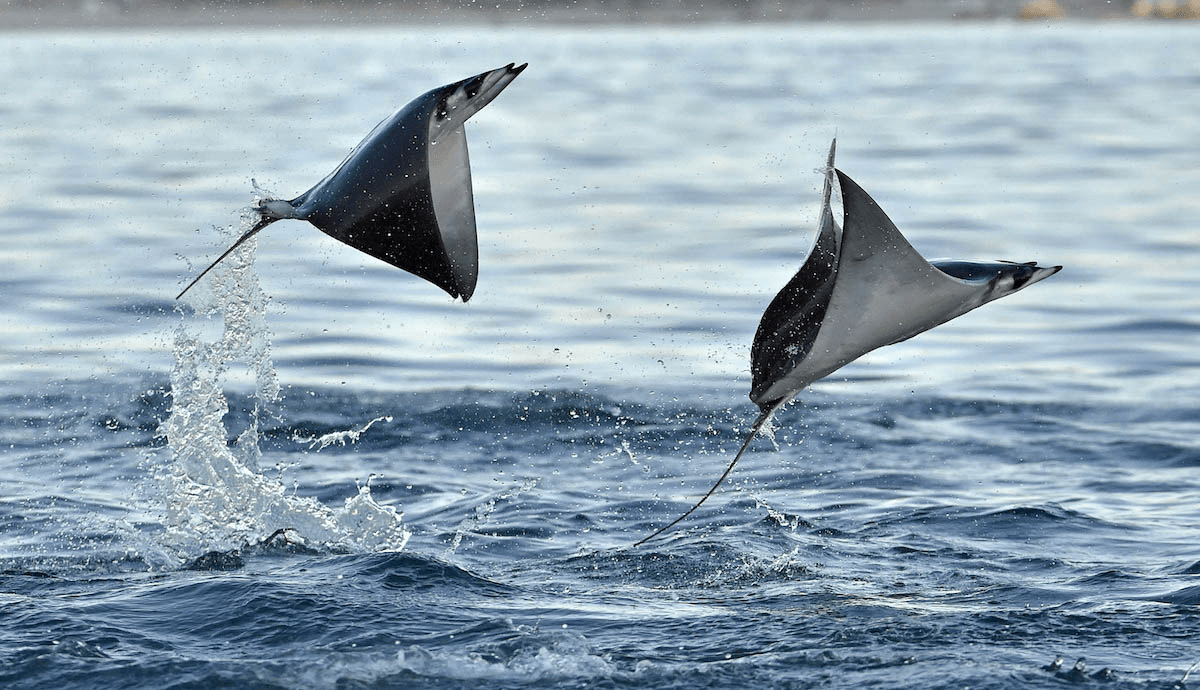
Over a decade, populations increased significantly in Raja Ampat archipelago in Indonesia, highlighting the importance of long-term conservation and management measures such as well-enforced Marine Protected Areas (MPAs) and fisheries regulations, says researcher Edy Setyawan, of the University of Auckland’s Institute of Marine Science.
It is the first published evidence of reef manta ray populations increasing anywhere in the world, he says.
“Despite the global decline in oceanic sharks and rays because of overfishing over the past 50 years, the reef manta rays in Raja Ampat have been recovering and thriving,” Setyawan says.,
The scientist and his colleagues studied reef manta rays (Mobula alfredi) in two of Raja Ampat’s largest MPAs, Dampier Strait and South East Misool. They used sightings of rays, each individually identified by photograph, to assess population dynamics from 2009 to 2019.
In Dampier Strait, the estimated population increased to 317, an annual compound gain of 3.9 percent, while South East Misool’s estimated gain to 511 was 10.7 percent on the same basis.
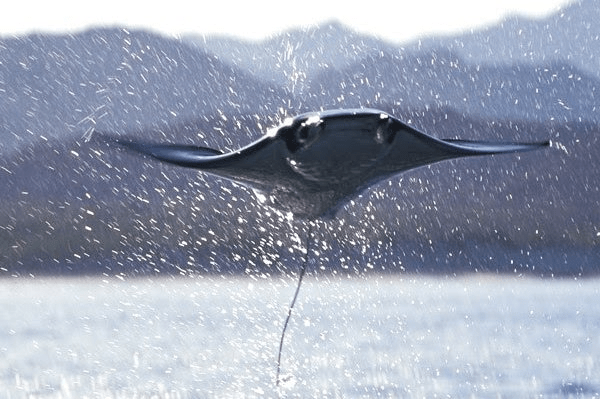
The increased population sizes resulted from high survival rates (up to 93 percent of individuals in each group survived each year) and high rates of recruitment (typically groups got a 20 percent annual boost from new members).
While conservation measures substantially reduced fishing pressures, another reason for the populations thriving was the El Niño Southern Oscillation climate cycle, which boosted plankton numbers. That lead to larger and more frequent aggregations of the manta rays for feeding, which in turn provided more opportunities for mating.
A watch-list for threatened species, the International Union for Conservation of Nature’s “Red List,” lists reef manta ray as a “vulnerable” species with declining populations throughout their range in the Indo-Pacific, based on an assessment in 2018.