
Oct 26,2022 from RTVE via El Communista translation thefreeonline
An anticancer drug developed at the Vall d’Hebron Institute of Oncology (VHIO) has managed to stabilize the disease and slow down tumor growth in eight patients, according to the preliminary results of phase I clinical trials conducted on 22 people. Tests with Omomyc (OMO-103) also indicate that it has few side effects, so it will continue to be evaluated in a second phase.
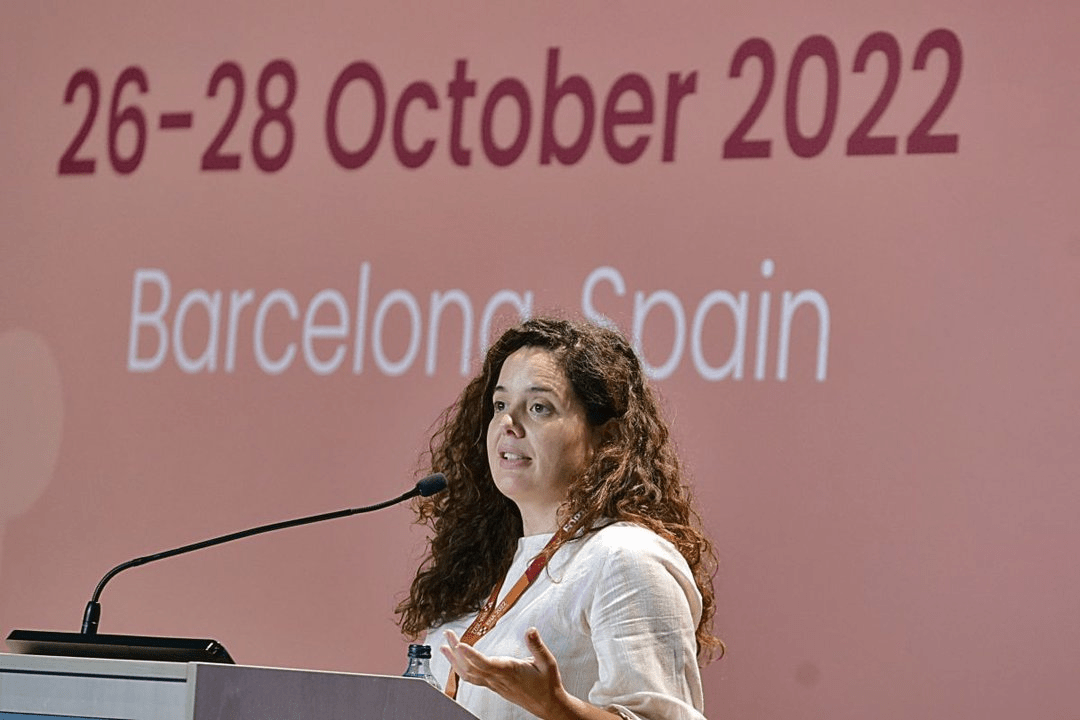
Un fármaco logra estabilizar el gen más común del cáncer
First ever inhibitor of this oncogene to successfully complete a phase I clinical trial
The preliminary results will continue to be evaluated in phase II of human trials: “It is still very early.”The drug targets, for the first time, a key oncogene in tumor development and has caused few side effects.

Elena Garralda, director of the Cancer Molecular Therapy Research Unit (UITM) – CaixaResearch of the VHIO.VALL D’HEBRON INSTITUTO DE ONCOLOGÍA (VHIO)
The 22 patients who participated in the clinical trial that began in April 2021 had a variety of solid tumors, including non-small cell lung, intestine and pancreatic cancers, and had received at least three prior treatments, making them heavily pre-treated. Eight of 12 patients who underwent CT scans after nine weeks of treatment showed stable disease in which tumor growth had stopped.
“It is still too early to assess the activity of the drug, but we are seeing the stabilization of the disease in some patients. Of note is the case of a patient with pancreatic cancer who remained in the study for more than six months, and in whom the tumor shrank by 8% and there was an 83% reduction in tumor-derived DNA circulating in the bloodstream.
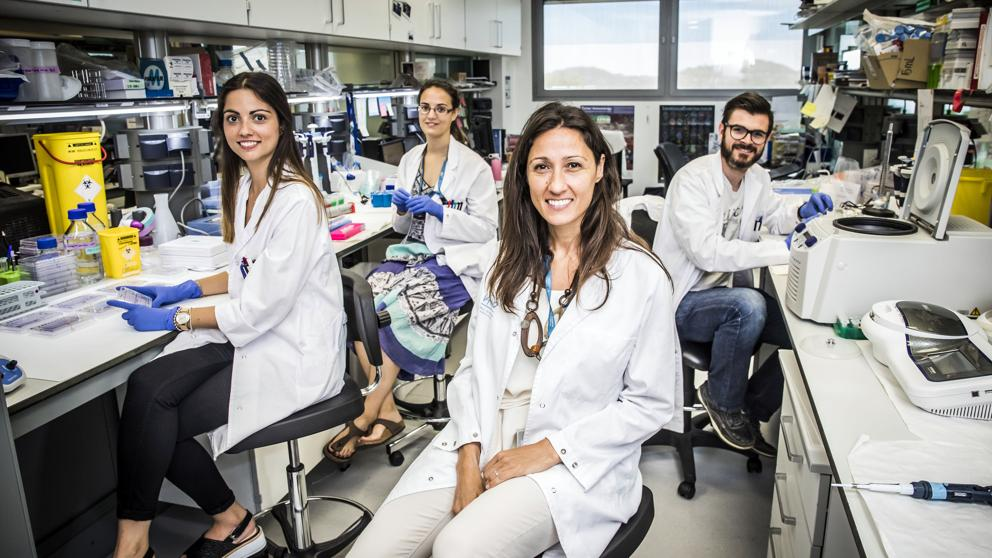
Laura Soucek (born 1973) is a Group Leader at VHIO (the Vall d’Hebron Institute of Oncology), Research Professor at ICREA, and CEO of Peptomyc S.L.She works on the Myc oncoprotein, the deregulation of which occurs during almost all cancers.Soucek has designed a dominant negative variant, Omomyc, which allows her to investigate the benefits of inhibiting Myc in cancer.
There is also a patient with a salivary gland tumor whose disease remains stable and is still in the study after 15 months, and a patient with sarcoma, who had responded very poorly to previous treatments, who remained stable for 8 months.” explained Dr. Elena Garralda, director of the Cancer Molecular Therapy Research Unit (UITM) – CaixaResearch of the VHIO.
These are preliminary results and will be further evaluated in a phase II clinical trial, which will begin in the coming months. Omomyc will also be tested in combination with chemotherapy or other therapies.
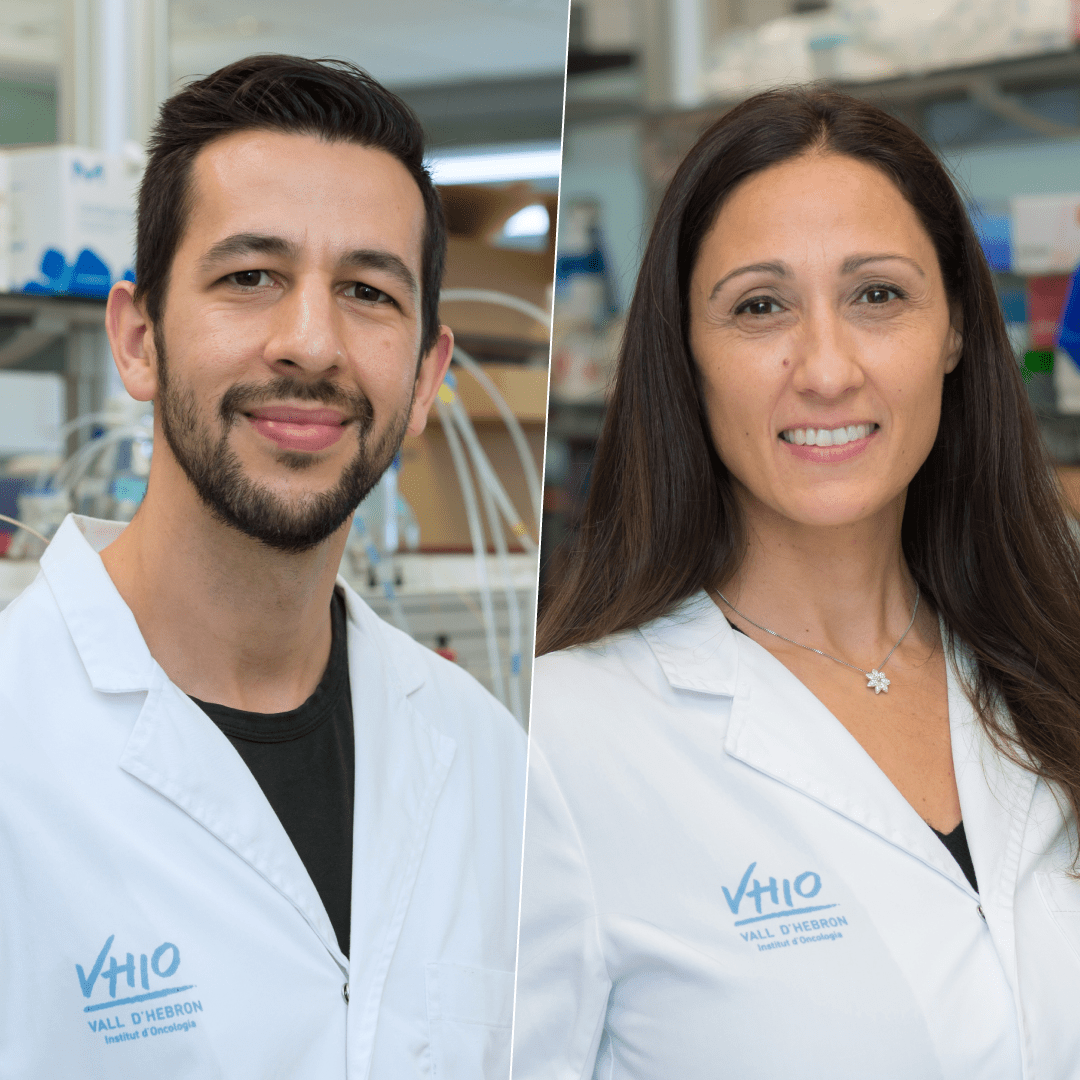
Masso // Dr Soutek
The MYC oncogene is on target for the first time
Omomyc is a therapeutic miniprotein that targets the MYC oncogene, deregulated in the vast majority of tumors. Until recently it was considered therapeutically unattainable, but the researchers in Barcelona previously demonstrated in the laboratory that the protein is capable of entering cells and reaching their nucleus, where the oncogene is found.
Continue reading “Barcelona: A new drug stabilizes the most common cancer gene, stops growth of cancer in eight patients – English/Español”