For the 100th anniversary of International Women’s Day, here’s a clip from my 1972 film, “His/story” (which I made as a student in Germany) about the legendary German socialist and feminist, Clara Zetkin, and her visit to the Soviet Union in 1920.
The preceding years had seen unprecedented struggle by women throughout the world, including in the US. In 1910, at an international socialist women’s congress in Copenhagen, Clara Zetkin proposed an annual women’s day to demand legal and political equality and the right to vote.
The first International Women’s Day was on March 19, 1911. Millions of women marched in Germany, Denmark, Austria, and Switzerland. This resounding success that was followed, only a week later, by the tragic ‘Triangle Fire’ in New York City took the lives of more than 140 young Italian and Jewish immigrant garment workers. Clara Zetkin (orig. Clara Eissner, 1857 – 1933) already looked back on a lifetime of struggle on behalf of working women.
By Ethan Huff on Planet Today News republished from NaturalNews shared with thanks
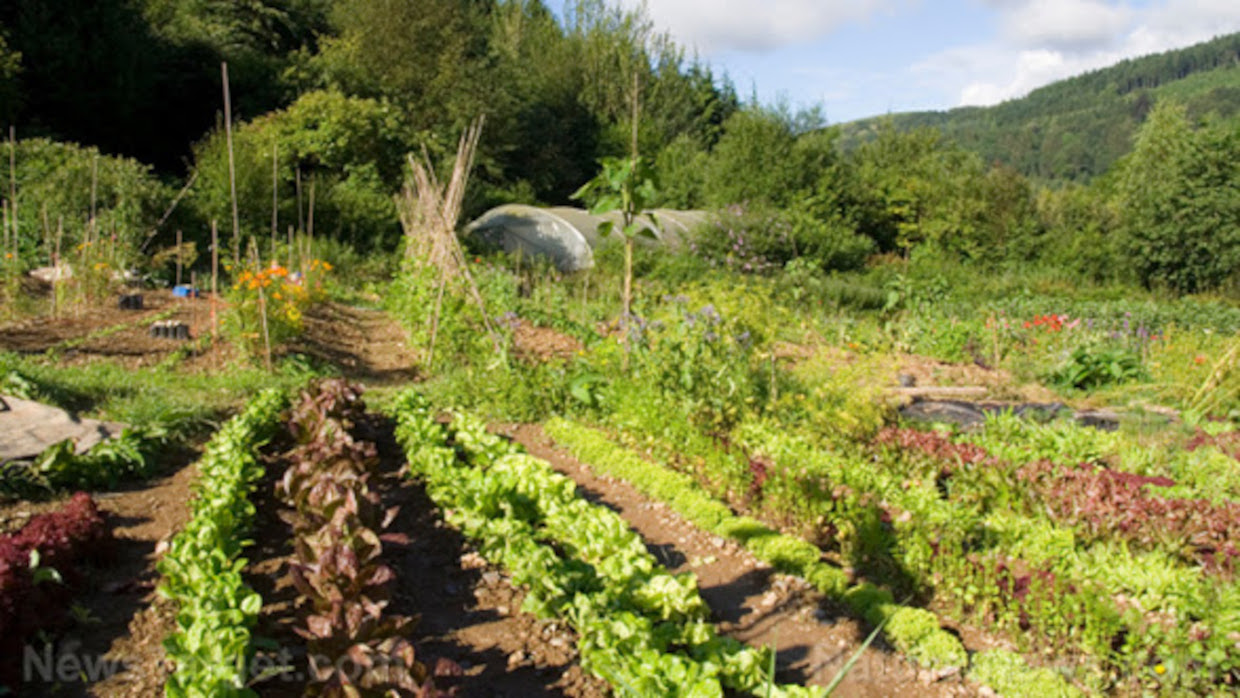
(Planet-Today) For centuries, India, the second-most populated country in the world, has thrived with its organic patchwork of small farmers that provide clean, healthy, nutritious food to 1.3 billion people
Billionaire eugenicist Bill Gates, the World Bank, and other crony capitalist Western entities, however, want to change that.
Dr. Vandana Shiva, founder and president of Navdanya, Technology and Natural Resource Policy and recipient of the Right Livelihood Award, also known as the ‘Alternative Nobel Prize,’ explained to RT during a recent interview that globalist power players are working overtime to replace India’s unaffiliated network of small-scale family farmers with a large chemical agriculture system, similar to the one that exists in the United States.
via kaos By Palestine today SHARED WITH THANKS translation thefreeonline
At present, Israel “holds about 4,500 Palestinian prisoners, including (140) children, (36) female prisoners and (450) administrative detainees without charge or trial.”
The European Coalition in Support of Palestinian Prisoners has spoken out in solidarity with the Palestinians who are serving prison in Israeli jails and calls on the international community to “provide protection to prisoners” because “the Israeli penance administration continues to commit serious violations of their rights. basic principles, deliberate medical negligence and disregard for the life and health conditions ”of the prisoners.
from anarchistnews.org by No-Wing Anarchy .. shared with thanksWe create the anarchy we’d like to see in the world .. Home Leftism Against Anarchy
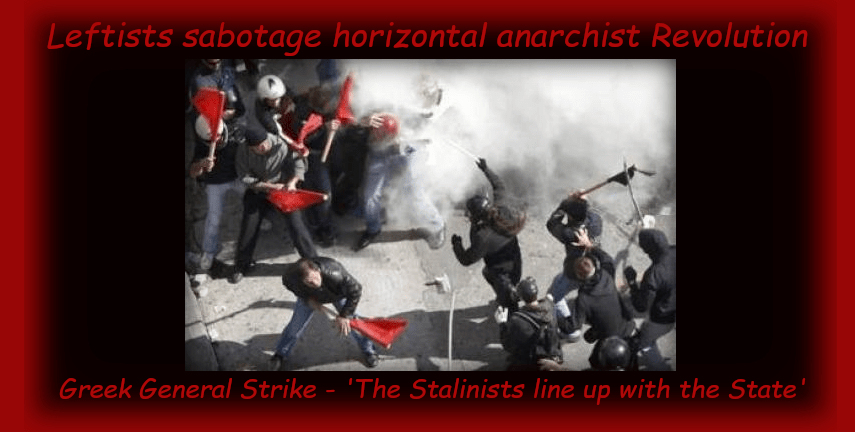
The Bolshevik “betrayal” of anarchists during the Russian Revolution is a commonly known, and almost overly debated instance where anarchism has come into open and bloody conflict with leftism.
Victims killed by the Red Army during the suppression of the Kronstadt uprising. Kronstadt, March 1921.
There is no end to the accusations of murder at Kronstadt, or in Ukraine, and no end to the leftist rationalization and dismissal of the same events as necessary or even desirable.
The Russian Revolution serves as a flashpoint for tension between those who consider themselves leftists and anarchists, and one’s opinion on the revolution’s events can often serve as indicative of their politics as a whole.
But why is this the case? Why is a relatively singular historical event, or even the actions of one man (Stalin), what things get boiled down to? While a particularly terrible set of events, the “betrayal” of anarchists by communists during the Russian Revolution is just another instance of leftist forces crushing anarchistic movements.
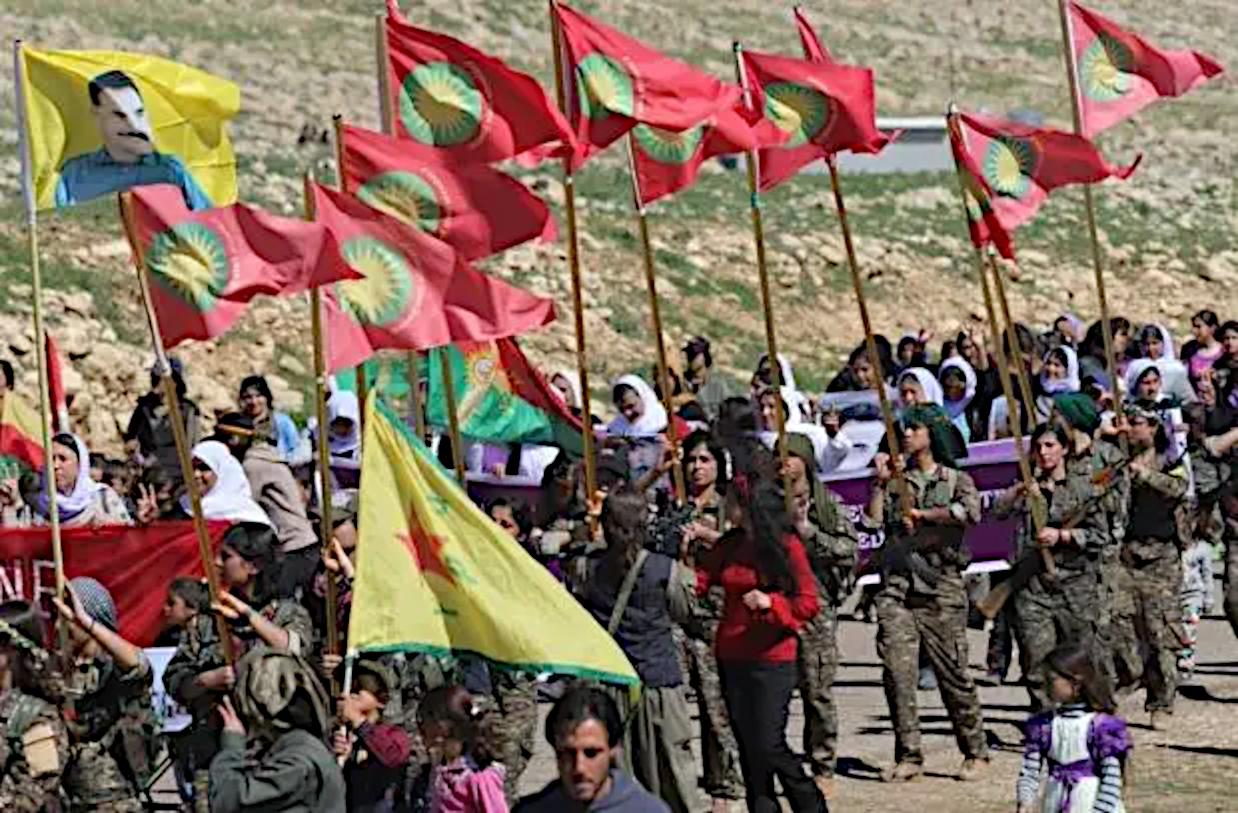
On 3 August 2014 IS attacked and captured Sinjar, which is the historical homeland of Yazidis, a Kurdish religious minority whose ancient religion is linked to Zoroastrianism. IS destroyed Yazidi shrines, executed resisters and demanded the residents to swear allegiance or be killed.
During the IS-massacre in Sinjar up to 5.000 Yazidis were executed. Almost 200.000 people managed to flee. 50.000 Yazidis fled into the Sinjar Mountains, where they were trapped without food, water or medical care, facing starvation and dehydration.
We interview the social activist, pacifist and economist, who has been a reference for more than a generation, and who has made public that he has cancer and has only a few weeks to live.
Arcadi Oliveres 26.02.2021 Foto: Albert Salamé / VWFoto
Arcadi Oliveres (Barcelona, 1945) welcomed us to his house, which was the summer home of his grandfather fifty years ago, in Sant Cugat, Barcelona, where he has lived for sixteen years. He moved when real estate pressure drove him out of Barcelona. In the patio, on a bad day, which he has been clarifying while we were doing the interview.
When we greeted him at the entrance, he told us that he was not feeling very well, that he was in pain. But during the interview he was recovering and at all times he has been lucid, thoughtful, and passionate as well.
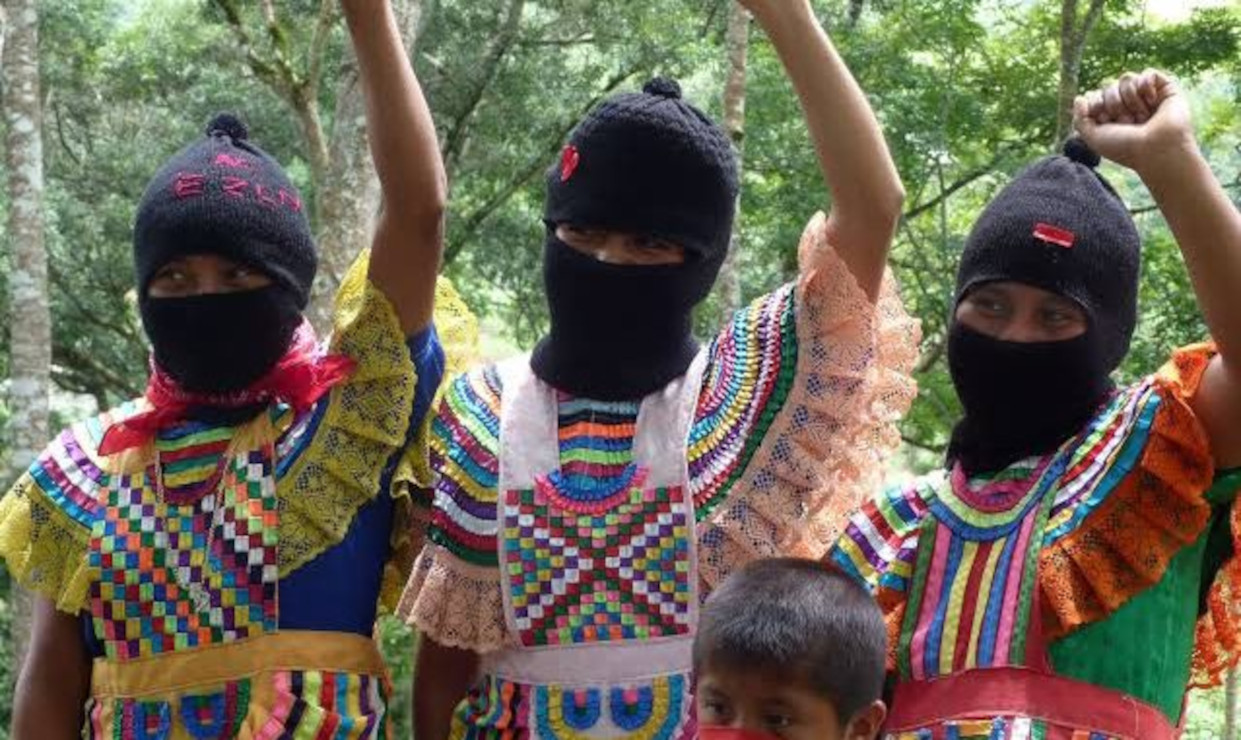
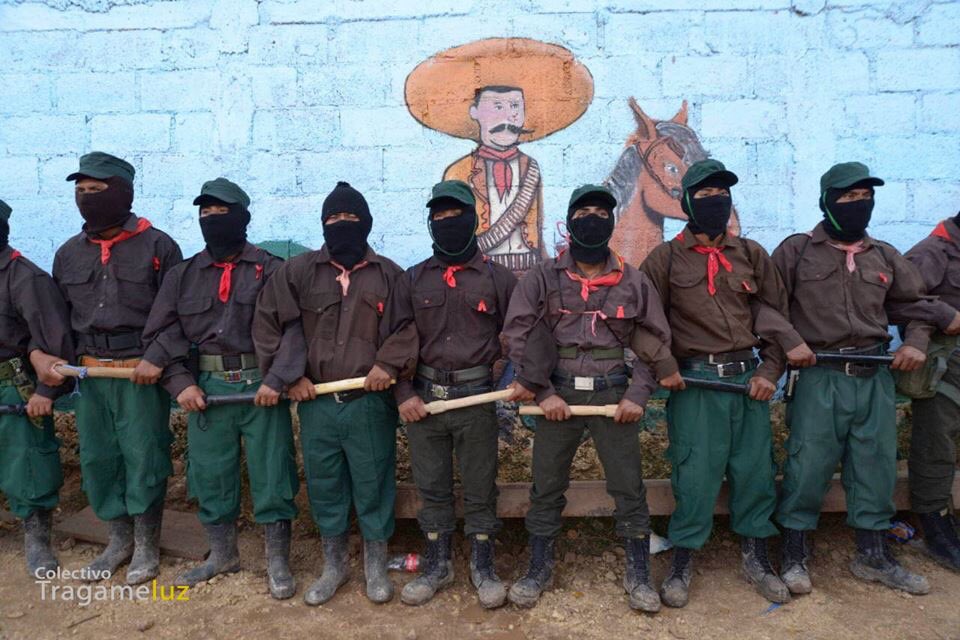
On February 2, 2001, a march called LaMarcha del Color de la Tierraset out from Chiapas, Mexico. On March 11 after thousands of kilometers it arrived to the capital Mexico City. The mobilization of the Zapatista delegation proved symbolic and had a strong resonance with a whole generation of social movements throughout Europe.
After two decades, another historic event will take place. Several Zapatista delegations will visit the European continent in July, August and September. In Madrid and other territories, different social movements are already preparing for the meeting.
“We have decided: That it is time for hearts to dance again, and that neither their song nor their steps should be those of lamentation or resignation. Diverse Zapatista delegations, men, women and other colored people of our land, shall go out to travel the world, we shall walk or sail to remote lands, seas and skies, seeking not the differences, nor superiority, nor offense, much less apologies and pity”.
This is one of the paragraphs from A Mountain on the High Seas communique announced last October by the Zapatista National Liberation Army (EZLN-Ejército Zapatista de Liberación Nacional) and endorsed by its current spokesperson, Subcomandante Insurgente Moisés:
“After 20 years we set sail and march to tell the planet that, in the world that we perceive within our collective hearts, there is room for all of us, everyone, all of them. Simply and sincerely because this world is only attainable if all of us, all women and men, all together, fight to build it”, says another part of the text.
As a result of this declaration, the entire movement began organizing to receive the Zapatista delegation, which will not only be made up of the EZLN but also members of the National Indigenous Council and the Peoples’ Front in Defense of the Land (Consejo Nacional Indígena o y del Frente de los Pueblos en Defensa de la Tierra) .
#EZLNEuropa ¿Vives en Madrid y quieres apoyar en la organización de la visita y encuentros con lxs Zapatistas? Escribe a: yretiemble2018@gmail.com pic.twitter.com/ji6dTL2S27
This past week the first assembly was held among the collectives that will be participating in the preparations.
“There have been collectives supporting Zapatismo all over Europe for years,” Danaé, a member of the Y Retiemble collective, created in 2017, tells Cuartopoder. In addition, coordination and networks have taken place all over Europe. “People in Madrid were already getting organized through a network called Europa Zapatista in order to join together and connect with Mexico,” he adds.
A member of Y Retiembre explains that one of the messages that has been very clear from the Zapatista movement is that they have to “mobilize and organize”. The first date for activities are August 13, with a gathering in Madrid for the anniversary of the arrival of Hernán Cortés to Tenochtitlán. This is a proposal of the Zapatista community itself. Next, the “Meeting of Struggles for Life”(Encuentro de Luchas por la Vida) is scheduled for September 6-19.
“It is a meeting in the traditional Zapatista style. We are using the term meeting in the context used by the Zapatistas. It’s not the usual forum type format but rather a meeting about all the struggles that are going on. To meet each other as people,” explains Danaé.
To achieve this, a framework of 7 main themes of struggles has been devised: social rights, feminist and gender identities; anti-racist struggles, internationalist and decolonial struggles; defense of land and territory; historical memory and freedom of expression; work and migration; art, culture and media. In addition, more activities will be held between now and September to the extent it is possible due to the health situation.
“The Zapatistas come to listen to us and narrate their struggles,” explains Danaé. For that reason, it is also intended that through specific visits, they get to know different collectives and specific struggles in the city of Madrid. From now on, groups will be created by topic and planned activities will be announced. Some initiatives are already underway, such as the distribution of a board game on Zapatismo, which can be purchased online.
The collected funds will be used to finance activities. More than 2,000 copies have already been sold. For support groups this is a “historic meeting”. “Normally the Zapatistas have received many people in Mexico, but a tour at this level has never happened before,” says Danaé.
However, there is a gap in the memory of a whole generation within the Zapatista movement. For many years the main figure of the EZLN was Subcomandante Marcos who was very present in the social and political struggles of our country. “There is a generation that is very aware of what Zapatismo is. That is exactly why we are having this meeting. The goal is to organize here, we want to say that we are fighting for life.
We are setting up this meeting hoping to restore these messages because we are aware many people don’t know about the Zapatista proposal. It is very important that these messages resonate with the struggles here because there are many things that coincide”, concludes Danaé.








 The Free