Heavy boat traffic, severe overfishing, pollution, dumping and climate change is destroying the habitat of the orcas. Highly intelligent and social animals they appear to have realized that humans are responsible and on behalf of all sea life have decided to attack at a weak point: breaking the rudders of the luxury plaything yachts of the idle rich.
original title: Gangs of killer whales are attacking boats off Spain and Portugal and researchers have no idea why (VIDEOS)
Since July 2020, multiple reports of attacks on sailboats by pods of orca whales have been reported off Spain and Portugal’s shores, with injuries and significant damage reported, and the assaults showing no signs of abating.
Spain’s maritime rescue service uploaded video of fresh attacks Monday, sharing haunting footage of the killer whales toying with yet another victim.
In the following report from Greece, anarchists describe the burning of the refugee camp, Moria, and the response countrywide, as well as the latest chapter in other struggles against state repression on a variety of fronts.
Another month, another report on the situation here in Greece. There has been no pause in the repression of the state, nor any peace for the marginalized and excluded. Another historic squat has been evicted, the economic despair many already face is becoming generalized, society drifts towards the right at the guidance of state and corporate media, and the largest concentration camp housing migrants in all of Europe has been engulfed in flames, displacing thousands.
As in the rest of the world, each morning brings new concerns, new disasters, new forms of precarity. We share the following information in the pursuit of a relentless and borderless solidarity.
The refugee camp Moria on the island of Lesvos has burned down.
The state claims this was the result of demonstrations by desperate people inside the camp reacting to new measures the police had opportunistically declared in response to an inevitable and now unavoidable outbreak of COVID-19 inside the camp.
Some 35 cases have been made public as of early September; considering the intense overcrowding of the camp, the number should be assumed to be much higher. Some wonder whether nearby fascists took the opportunity to set fires under the cover of the refugees’ protests. It is certain that some of the villagers wanted those fleeing the flames to burn alive, as they pushed those who tried to flee to the nearby village of Mytilene back towards the blaze.
If the government’s claim that the fire started from the demonstrations is correct, we can understand this as an act of desperation on the part of individuals protesting against an unbearable situation.
Out of all the concentration camps where refugees are contained on islands near Turkey or out of the view of the public on mainland Greece, Moria is by far the most famous, both for its size and for the severity of the conditions. Moria housed over 13,000 refugees, though it was designed for only around 3000. It is a symbol of the racism and dehumanizing policies of exclusion that comprise the basis of modern Europe.
It was inevitable that COVID-19 would enter Moria. Imposing additional restrictions on the already forcibly isolated and controlled camp brought an already dire situation to the brink. Now thousands are going hungry without shelter, including many children. Facing fascist and police violence, they find themselves in an even worse situation than before.
The male centred progressive left has successfully made woman-hating trendy.
How the FUCK does Twitter allow this video to still be up? The dude posts her license plate number. It is COMPELTELY unclear what happened. There is no context. The entire goal is to ruin this woman’s life permanently over… flipping him off? 5 million views… https://t.co/TDPRswcnVi
Today, yet another “Karen” video went viral online. This time, it seems a woman flipped off a male driver, one Karlos Dillard, who then followed her home and filmed her as she melted down into hysterics, posting the video online, which included her home address and licence plate. Over eight million views later (sure to be more by the time you read this), and Dillard is selling t-shirts based on the incident.
(Greenpeace International)* — It’s early morning at the EU Commission headquarters in Brussels, the heart of Europe, far away from the raging fires in the Amazon. A group of activists has been awake for hours already. It was still dark when they started their climb up on the 14-storey headquarter in which European leaders make decisions that have impacts across the globe.
The activists’ goal? To hold the political leaders of Europe accountable for their complicity in the destruction of forests and to demand action.
Arriving at the top of the building, they unroll a massive banner, and for a moment, the Amazon is very close. Its burning trees, the plight of the animals whose home is the forest, and the fight of indigenous people for their future cannot be ignored anymore.
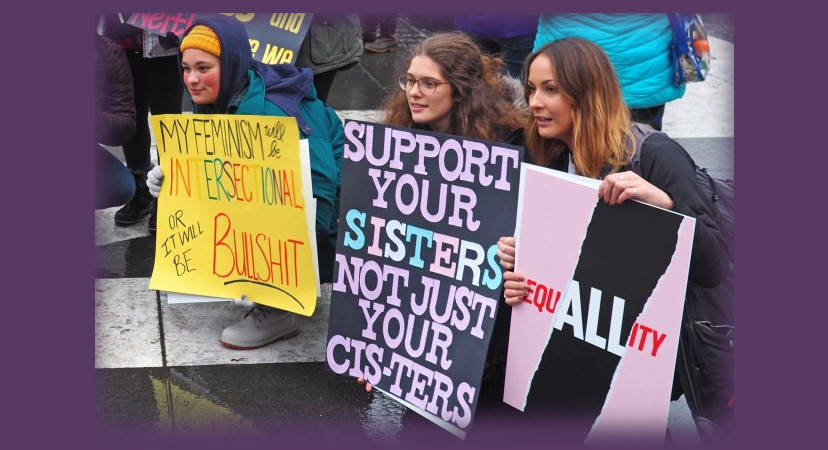
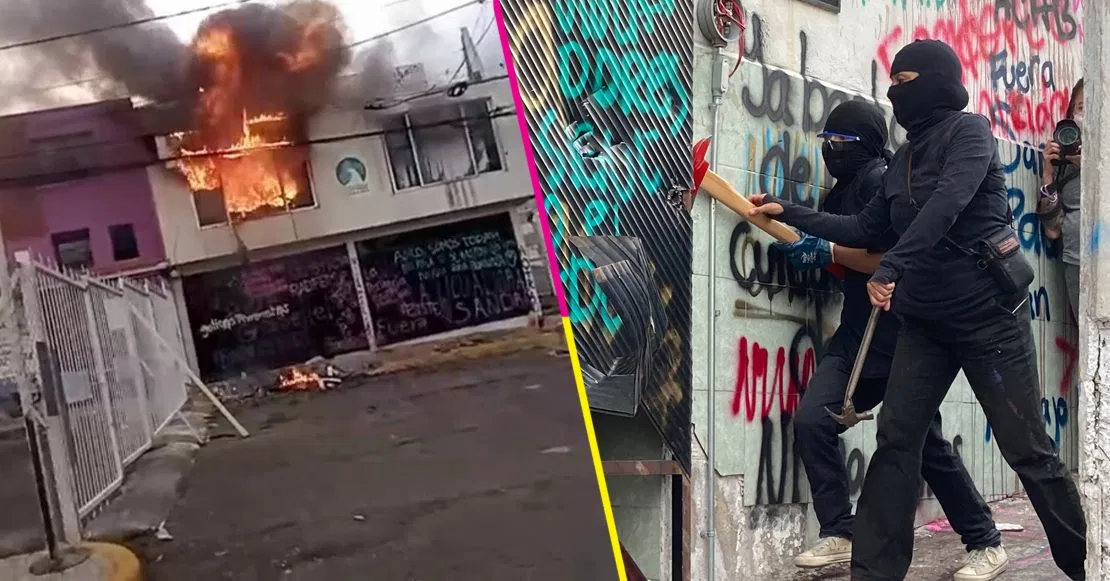
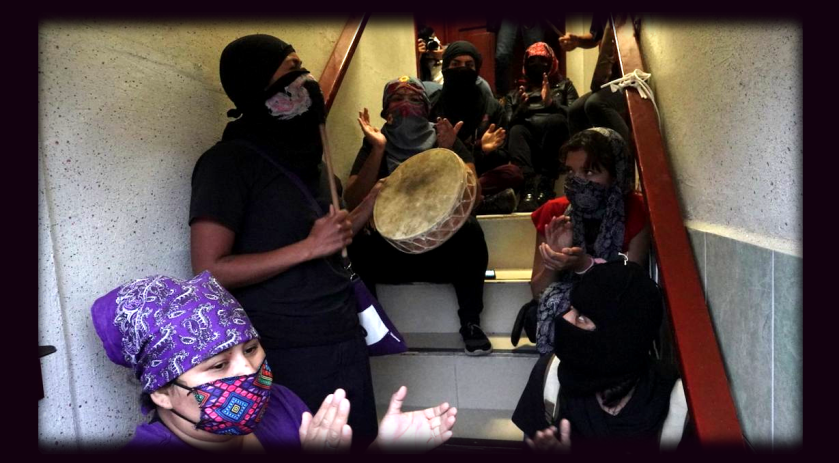
Feminist groups are taking over more Human Rights Commissions in Mexico
How it all began
On September 2, mothers and relatives of victims met with the head of the National Human Rights Commission (CNDH), Rosario Piedra, at the headquarters in Mexico City. They demanded a meeting with the Undersecretary of Human Rights, Alejandro Encinas, because their cases had not been attended to so far..
However, because they were not treated and made no progress, Marcela Alemán, mother of a 5-year-old girl who was raped in 2017, tied herself to one of the CNDH chairs and threatened not to leave the facilities, along with with the other victims until they received care.
Yesenia Zamudio’s angry speech.. English subs. Yesenia is still demanding justice for her daughter, she is now a dynamic organiser in the movement. “We are the families, the real ones, the searchers, the diggers, those who have suffered femicide, rape, the survivors, the real women, those that no one names, that are not shown on the television. … I told the secretary of the interior that if we don’t see a solution, we are going to take over the entire country.”
Los números de muertes violentas en Colombia siguen creciendo. Cada hora que pasa, más y más historias de vida son cegadas por balas en distintas regiones del país, y por motivos que ni la sociedad termina de entender completamente, ni las autoridades nacionales parecen estar en capacidad de esclarecer a fondo.
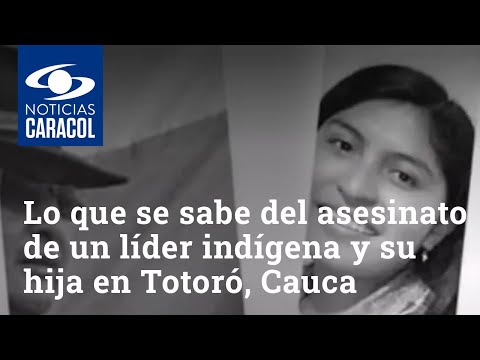
Hoy será una nueva noche de luto y desesperanza en el departamento del Cauca por el vil asesinato de Oliverio Conejo Sánchez, coordinador del Programa de Salud del Cabildo Indígena de Totoró, y su hija Emily Conejo, 22 años, estudiante universitaria, que fueron abaleados en la tarde del viernes 11 de septiembre, cuando se desplazaban en un carro por el kilómetro 47 de la vía entre Popayán y el municipio de Inzá, sector de Las Delicias.
El programa de Derechos Humanos del Consejo Regional Indígena del Cauca (CRIC), rechazó lo ocurrido e inició la recopilación de la información que permita aclarar lo sucedido mientras la Guardia Indígena y comunidades campesinas de la zona activaron operativos para localizar a los autores de dicho crimen.
Adendum: Las comunidades indígenas del Cauca se declararon en estado de alerta, luego de conocerse los asesinatos.
Oliverio Conejo era un destacado dirigente del Pueblo Totoroez que se había desempeñado en diferentes cargos tanto a nivel local como zonal y regional, y en el momento se desempeñaba como coordinador del programa de salud del cabildo indígena, desde el cual venía liderando importantes iniciativas para evitar que la pandemia del coronavirus llegara hasta ese territorio.
El Pueblo Totoroez a través de sus autoridades tradicionales se pronunció enérgicamente para rechazar este hecho que enluta no solo a este territorio sino al Pueblo indígena del Cauca y a toda Colombia, e hizo un llamado a los organismos de Derechos Humanos del orden nacional e internacional para que el crimen no quede en la impunidad.
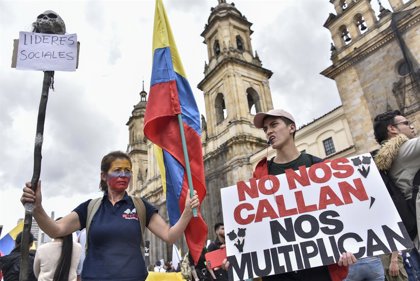
Iván Duque, quien ocupa ilegalmente la presidencia, gracias a la compra de votos con dineros del narcotráfico, ha convertido a Colombia en la tumba más grande del mundo de indígenas, excombatientes y líderes sociales.
“Con Duque es más peligroso ser líder social que pertenecer a un grupo ilegal” señaló hace unos meses el exgobernador de Nariño, Camilo Romero, y agregó:
“Han caído más defensores de Derechos Humanos asesinados, que miembros de grupos ilegales a manos de la fuerza pública, entre enero y mayo del 2020”
El asesinato sistemático de Indígenas, excombatientes y líderes sociales es fruto de la complicidad por acción y omisión del criminal régimen Duque/Uribe. Su respuesta ha sido afirmar con cinismo que lo que pasa “no es grave”:
El 3 de marzo la Ministra del Interior Alicia Arango en la Mesa por la Vida celebrada en Puerto Asís (Putumayo) aseguró que era mucho más grave el fenómeno del robo de celulares que el del asesinatos de líderes sociales, y al día siguiente se lamentaba ante los medios porque “todos chillan por los líderes sociales y no por otros muertos”, expresando el desprecio que le merece a la burguesía y los terratenientes el derecho a la Vida.
Con información de las2orilas.co y cric-colombia.org
El pasado 2 de septiembre, madres y familiares de víctimas se reunieron con la titular de la Comisión Nacional de los Derechos Humanos (CNDH), Rosario Piedra, en la sede de la Ciudad de México. Exigían una reunión con el subsecretario de Derechos Humanos, Alejandro Encinas, debido a que sus casos no habían sido atendidos hasta el momento.
Sin embargo, debido a que no las atendieron y no lograron avances, Marcela Alemán, madre de una niña de 5 años que fue violada en 2017, se amarró a una de las sillas de la CNDH y amenazó con no salir de las instalaciones, junto con las demás víctimas hasta que recibieran atención. “Me he amarrado porque me querían mandar otra vez a poner otra denuncia, ya me cansé, mi niña lo que merece es ser defendida por los derechos humanos, pero no, todo un Estado le ha pisoteado sus derechos. ¡Ya basta!”.