Thursday, October 08, 2020 by: Cassie B.
https://www.clearnewswire.com/464104.html 5,140Views


(Natural News) If you’ve ever wondered why there isn’t more outrage over the dangers of pesticides and herbicides, even as environmental consciousness seems to be rising, the answer is simple: Manufacturers like Monsanto have entire departments devoted to discrediting journalists who expose their corrupt ways and paying off Google to censor search results.
A report from The Guardian exposed how Monsanto, now owned by Bayer, operated what was known as a “fusion center” to gather intelligence on journalists who dared to speak the truth about their products.
One of their biggest targets was Reuters journalist Carey Gillam, who has done some excellent reporting on the links between Monsanto/Bayer weedkiller Roundup over the years. She now works as a research director for U.S. Right to Know, another target of Monsanto investigations.
The firm reportedly paid Google to promote search results criticizing her work when people searched terms such as “Monsanto glyphosate Carey Gillam.” The company also strategized to put pressure on Reuters, saying they needed to “continue to push back on [Gillam’s] editors very strongly every chance we get.”
They also launched a concerted attack against a book Gillam wrote prior to its release, Whitewash: The Story of a Weed Killer, Cancer, and the Corruption of Science, drafting talking points that third parties could use to criticize her work and instructing farmers and other industry customers on how they can post negative reviews about the book.
“I’ve always known that Monsanto didn’t like my work … and worked to pressure editors and silence me, but I never imagined a multi-billion-dollar company would actually spend so much time and energy and personnel on me. It’s astonishing.” Gillam told The Guardian. She said that her book received a slew of negative reviews on Amazon just after it was officially published and many of them repeated identical talking points.
Monsanto kept a file with the names of around 200 journalists and lawmakers whose influence they hoped to win over. They also launched an investigation into singer Neil Young and wrote a memo about his anti-Monsanto social media activities and music. They were so worried about his influence on the public that they had their legal team keeping tabs on him.
Although some companies do have intelligence centers that look out for legitimate criminal threats like cyberattacks, “it becomes troubling when you see corporations leveraging their money to investigate people who are engaging in their first amendment rights,” Electronic Frontier Foundation Senior Investigative Researcher Dave Maass pointed out.
Court cases are exposing Monsanto/Bayer’s corruption
These acts by Monsanto were revealed by documents that were disclosed in the court battles over the company’s deadly Roundup weedkiller. They have already been found liable in three of these cancer-related cases; more than 11,000 more Roundup lawsuits from landscapers, home gardeners and farmers are currently pending.
Glyphosate, which is listed as a carcinogen by the state of California and considered a probable carcinogen by the World Health Organization’s International Agency for Research on Cancer, is used on at least 70 food crops in the U.S., including vegetables, nuts and fruits, in addition to being sprayed on conventional crops like oats, wheat and barley prior to harvest. Its reach is tremendous, and residues of the chemical can be found in much of the food being sold and eaten in the U.S.
Monsanto also paid off researchers, ghostwriting studies to be published in their names that cast their products in a favorable light. The have also interfered with regulatory agencies and refused to conduct long-term safety studies on their products.
Perhaps if they had devoted less time and energy to attacking their critics and more time to making their products safer, they would not be in this position right now.
Sources for this article include:
Lidiar con el diablo
Monsanto pagó a Google para censurar resultados de búsqueda y desacreditar a los periodistas
Por Cassie B. | 12/10/2020 | Conocimiento Libre, Ecología social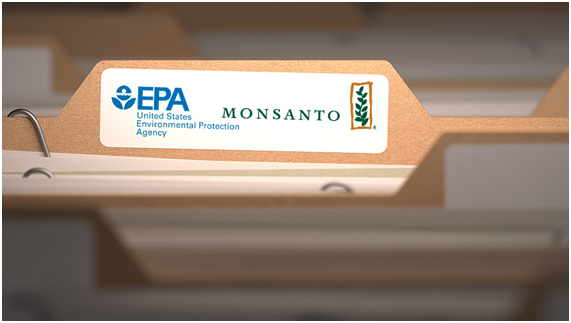 Fuentes: Natural News Traducido para Rebelión por Marwan Pérez
Si alguna vez se ha preguntado por qué no hay más indignación por los peligros de los pesticidas y herbicidas, incluso cuando la conciencia ambiental parece estar aumentando, la respuesta es simple: fabricantes como Monsanto tienen departamentos enteros dedicados a desacreditar a los periodistas que exponen sus formas corruptas y pagan a Google para que censure determinados resultados de búsqueda.
Un informe de The Guardian expuso cómo Monsanto, ahora propiedad de Bayer, operaba como un «centro de fusión», que recopilaba información inteligente sobre los periodistas que se atrevían a decir la verdad sobre sus productos. Uno de sus mayores objetivos fue la periodista de Reuters Carey Gillam, quien ha realizado excelentes informes sobre los vínculos entre Monsanto y el herbicida Roundup de Bayer a lo largo de los años. Ahora trabaja como directora de investigación de EE. UU.Right to Know(el derecho a saber), otro objetivo de las investigaciones de Monsanto.
Según los informes, la empresa le pagó a Google para promover resultados de búsqueda que criticasen su trabajo cuando la gente buscaba términos como «Monsanto glyphosate Carey Gillam». La compañía también ideó una estrategia para presionar a Reuters, diciendo que necesitaban «seguir presionando fuertementea los editores [de Gillam] cada vez que se tenga la oportunidad».
También lanzaron un ataque concertado contra un libro que Gillam justo antes de su lanzamiento, “Whitewash: The Story of a Weed Killer, Cancer, and the Corruption of Science,” (lavado de cara: la historia del herbicida asesino, el cáncer y la corrupción de la ciencia) redactando temas de conversación para terceros, y que podrían usar para criticar su trabajo e instruir a los agricultores y otros clientes de la industria sobre cómo pueden publicar críticas negativas sobre el libro.
“Siempre supe que a Monsanto no le gustaba mi trabajo … y trabajaron para presionar a los editores y silenciarme, pero nunca imaginé que una empresa de miles de millones de dólares gastaría tanto tiempo, energía y personal en mí. Es asombroso «. Gillam le dijo a The Guardian. Dijo que su libro recibió una gran cantidad de críticas negativas en Amazon justo después de su publicación oficial y muchas de ellas repetían idénticos argumentos.
Monsanto se guardó un archivo con los nombres de alrededor de 200 periodistas y legisladores cuya influencia espera ganar. También iniciaron una investigación sobre el cantante Neil Young y escribieron un memorando sobre sus actividades contra Monsantoy su música. Estaban tan preocupados por su influencia en el público que hicieron que su equipo legal lo vigilara.
Aunque algunas empresas tienen centros de inteligencia que buscan amenazas criminales legítimas como ataques cibernéticos, «se vuelve preocupante cuando ves que las corporaciones aprovechan su dinero para investigar a las personas que están participando en sus derechos contemplados en la primera enmienda», señaló el investigador principal de Electronic Frontier Foundation, Dave Maass.
Los casos judiciales están exponiendo la corrupción de Monsanto / Bayer
Estos actos de Monsanto fueron revelados por documentos que salieron a la luz pública durante los juicios sobre el mortífero herbicida Roundup. Ya han sido declarados responsables en tres casos relacionados con el cáncer; y más de 11,000 demandas contra Roundup de paisajistas, jardineros y agricultores están actualmente pendientes.
El glifosato, que está catalogado como cancerígeno por el estado de California y considerado un carcinógeno probable por la Agencia Internacional para la Investigación del Cáncer de la Organización Mundial de la Salud, se usa en al menos 70 cultivos alimentarios en los EE. UU., incluidos vegetales, frutos secos y frutas, en además de ser rociado sobre cultivos convencionales como avena, trigo y cebada antes de la cosecha. Su alcance es tremendo y se pueden encontrar residuos de la sustancia química en gran parte de los alimentos que se venden y consumen en los EE. UU.
Monsanto también pagó a investigadores para escribir y publicar estudios fantasmas que dejan a estos productos con una percepción favorable. También han interferido con las agencias reguladoras y se han negado a realizar estudios de seguridad a largo plazo en sus productos. Quizás si hubieran dedicado menos tiempo y energía a atacar a sus críticos y más tiempo a hacer que sus productos fueran más seguros, no estarían en esta posición en este momento.
Esta traducción se puede reproducir libremente a condición de respetar su integridad y mencionar al autor, a la traductora y Rebelión.org como fuente de la traducción

 The Free
Reblogged this on Wake Up To The Truth.
LikeLike