
from thefreeonline on 12th Dec 2023 News|Climate Crisis at Al Jazeera
Oil-rich countries have pushed back against proposed language that underscores need to move away from fossil fuels.
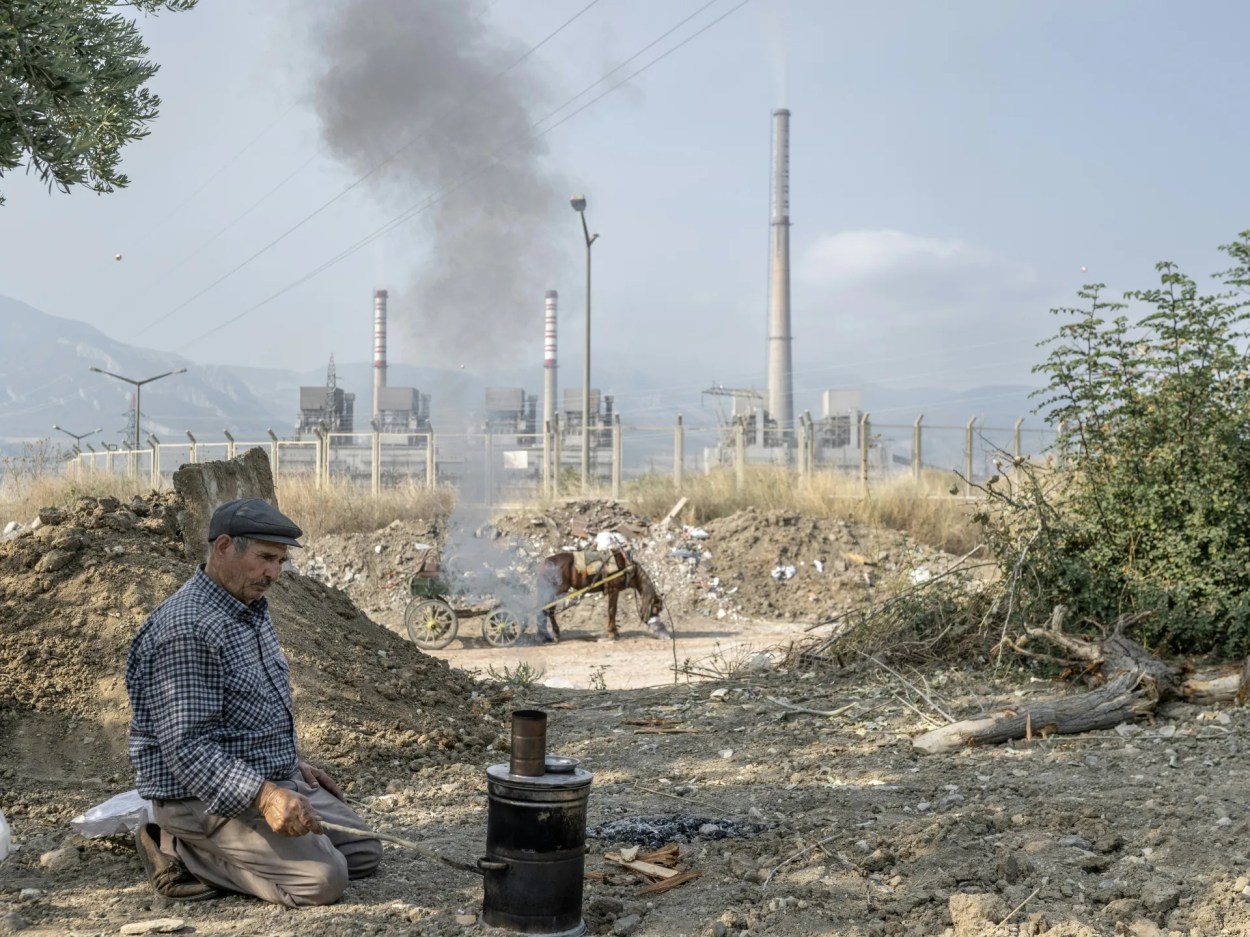
Leader of UN’s meteorological agency says the world is still ‘heading in the wrong direction’ and must cut fossil fuels.
Published On 11 Dec 202311 Dec 2023
A draft deal at the COP28 climate talks in Dubai stops short of calling on nations to gradually phase out fossil fuels, whose use is the primary driver of climate change and increasingly extreme weather across the globe.
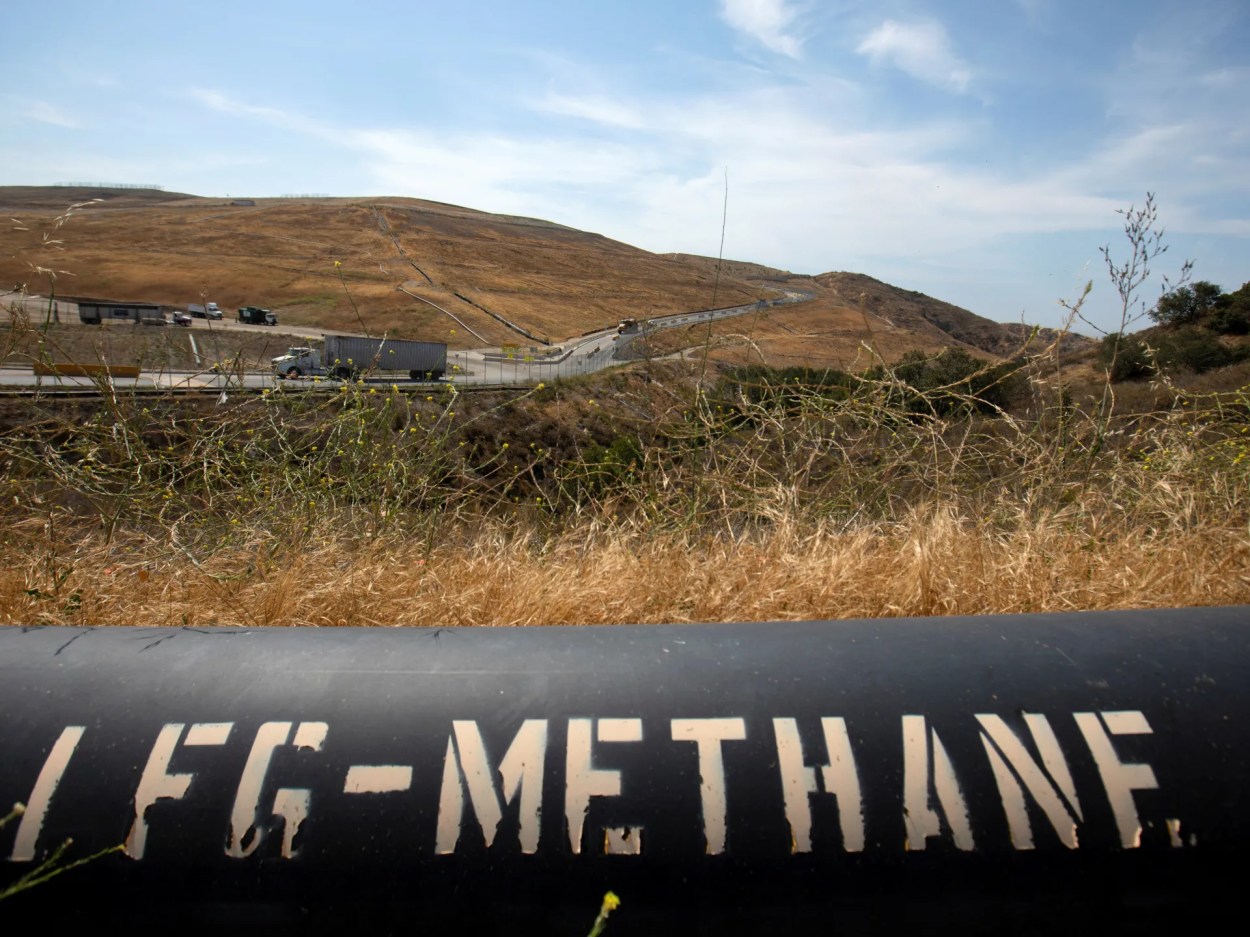
Oil companies pledge to lower methane emissions at COP28
The draft was released on Monday, and its critics alleged that oil-rich countries have used their influence to water down its language on the need to eliminate fossil fuels.
- UN climate chief slams opponents of fossil fuel phase-out at COP28
- COP28 pledges so far not enough to limit warming to 1.5C, warns IEA
- COP president defends climate science comments
“You know what remains to be agreed, and you know that I want you to deliver the highest ambition on all items, including on fossil fuel language,” COP28 President Sultan al-Jaber said to the summit, noting that there is still time to iron out differences before the conference concludes on Tuesday.
While more than 100 countries of the nearly 200 attending the United Nations climate talks have called for planet-warming fossil fuels to be phased out, oil-producing nations such as Saudi Arabia and Iran have firmly opposed the inclusion of such language.
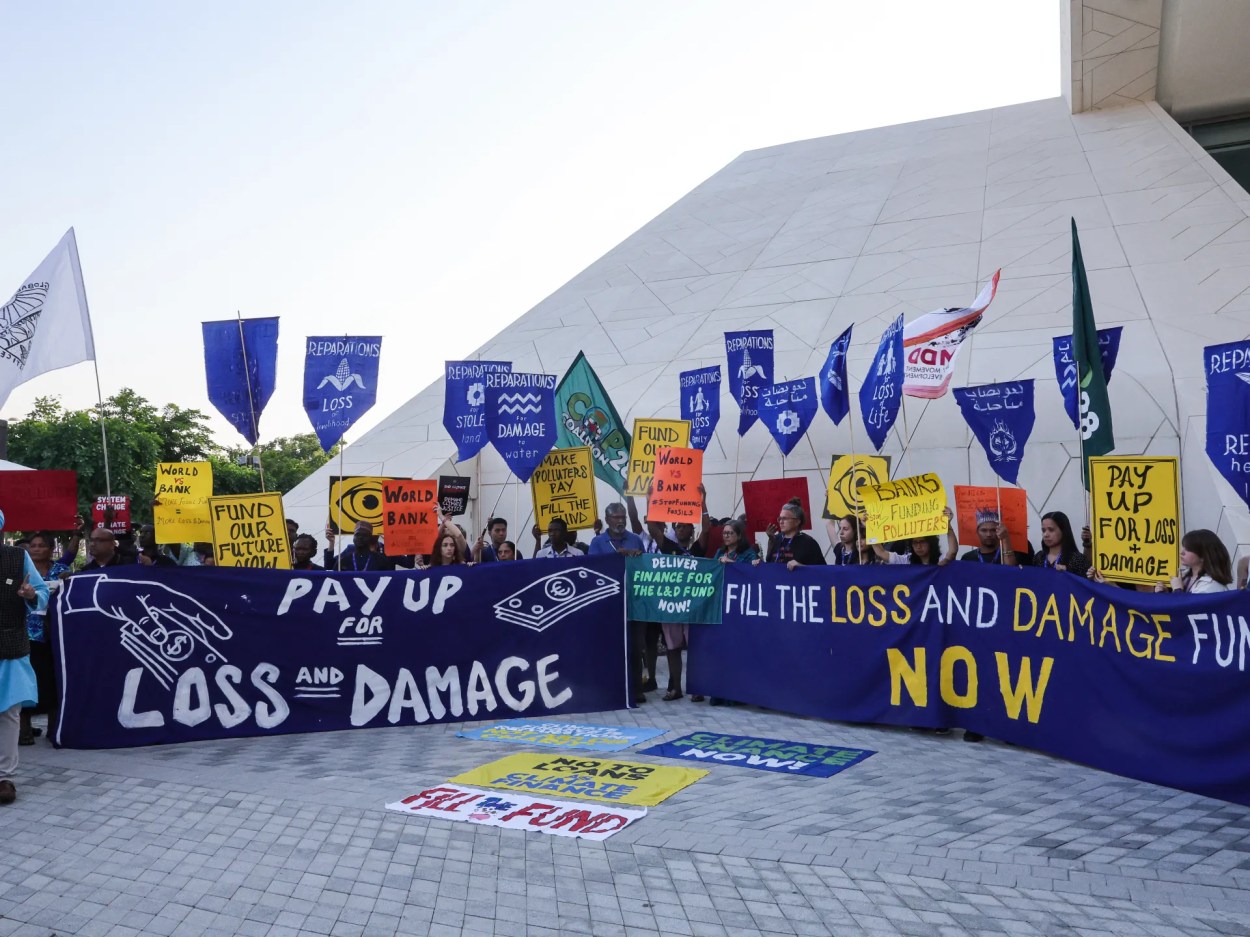
The Reuters news agency reported that the United Arab Emirates, which is hosting the summit, had come under pressure from Saudi Arabia to drop any mentions of fossil fuels from the conference’s agreement. It cited unnamed sources with knowledge of the discussions for its report.
Monday’s draft nixes a previous call to “phase out” all fossil fuels and offers eight options countries “could” consider to cut emissions.
The conference has faced criticism for close ties with fossil fuel interests from the start, especially after the UAE named al-Jaber, who runs a state oil company, to preside over the climate negotiations.
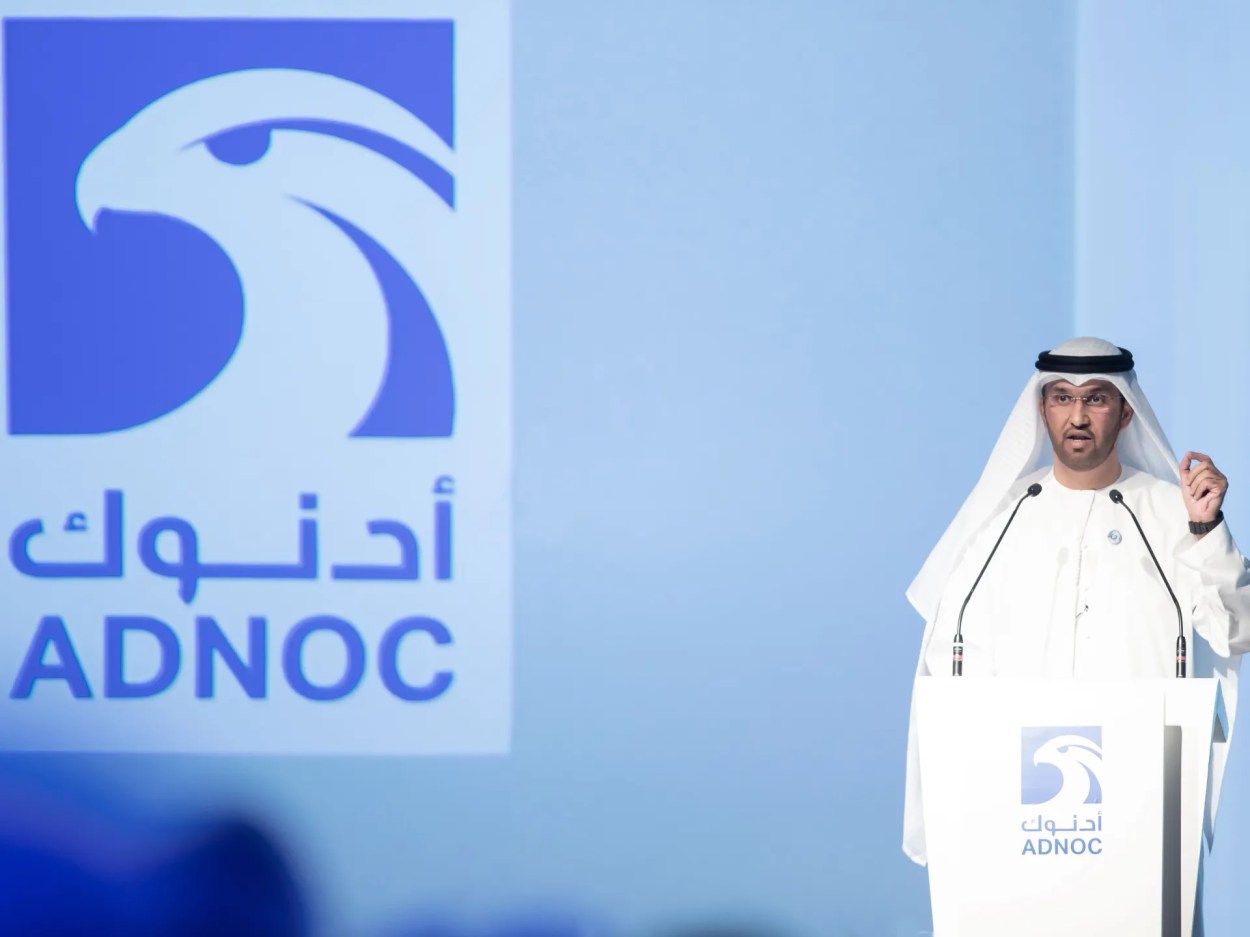
Al-Jaber also came under fire after a video emerged in which he appears to dispute some of the science around climate change.


