
Energy Transition by Jennifer L. Schenker 15 min read via thefreeonline at https://wp.me/pIJl9-HKX shared with thanks

Here we share optimistic predictions of unlimited green energy from the earth. But the development is controlled by the worst evil corporations and billionaires now destroying the climate and biosphere and sponsoring mass poverty and genocide to boost private profit.
¡Geothermal Is Suddenly Hot! + Quaise deep Geo
Written by Jennifer L. Schenker — Geothermal Is Suddenly Hot

On October 28 Mazama Energy, a venture capital-backed U.S. company announced a technologically significant leap for clean energy: the creation of the world’s hottest Enhanced Geothermal System (EGS) at its pilot site in Newberry, Oregon at an unprecedented 629 °F (331 °C) bottomhole temperature. This breakthrough sets a new global benchmark for geothermal technology and marks a critical step towards delivering low-cost, carbon-free baseload power at terawatt-scale.
Harnessing super-hot rock resources will allow Mazama to extract 10x more power density, use 75% less water and drill 80% fewer wells than current approaches, according to the company.
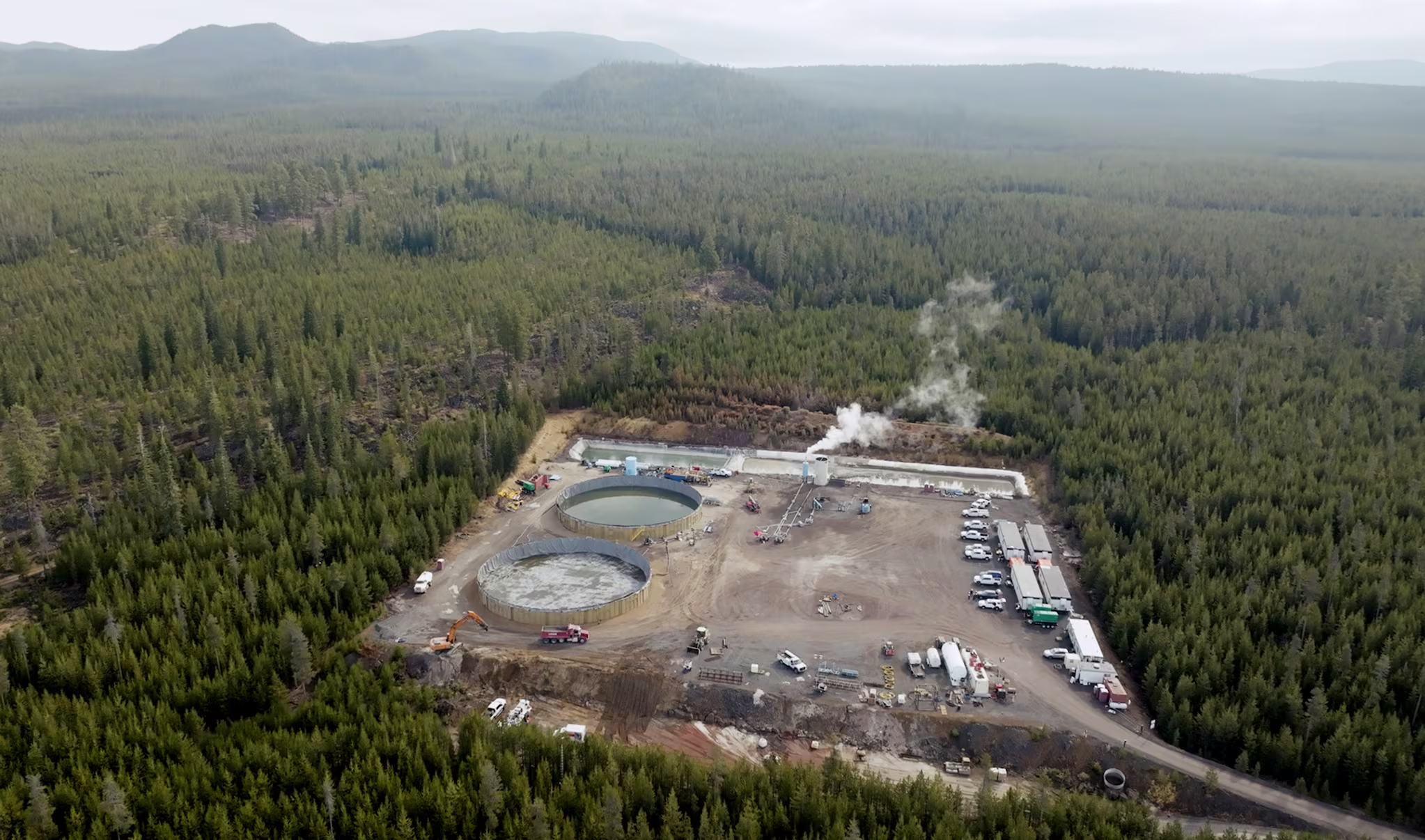
“With geothermal, you get global, round-the-clock energy that is carbon-free, cost-stable, and grid-independent,” Sriram Vasantharajan, CEO of Mazama Energy, said in a statement. The Newberry pilot provides a blueprint for unlocking baseload, utility-scale, carbon-free energy from the Earth’s crust worldwide, which is what the next generation of AI and cloud infrastructure requires.”
Although it uses the same technology as the oil and gas industry, geothermal is different from fracking in key ways. To extract oil and gas, a company drills into the ground and injects water and chemicals into the earth to create new fractures that pull fossil fuels to the surface. In conventional geothermal, the drills are used to locate natural water flows underground, which transfer the heat back up. For enhanced geothermal systems like Super Hot Rocks, only water is injected to create pathways in the hot rocks to transfer heat back up to the surface.
Mazama Energy, along with its partners, are trying to prove something that’s never been done in this way before — harnessing heat two miles deep beneath the earth’s surface to generate enough electricity to power homes.
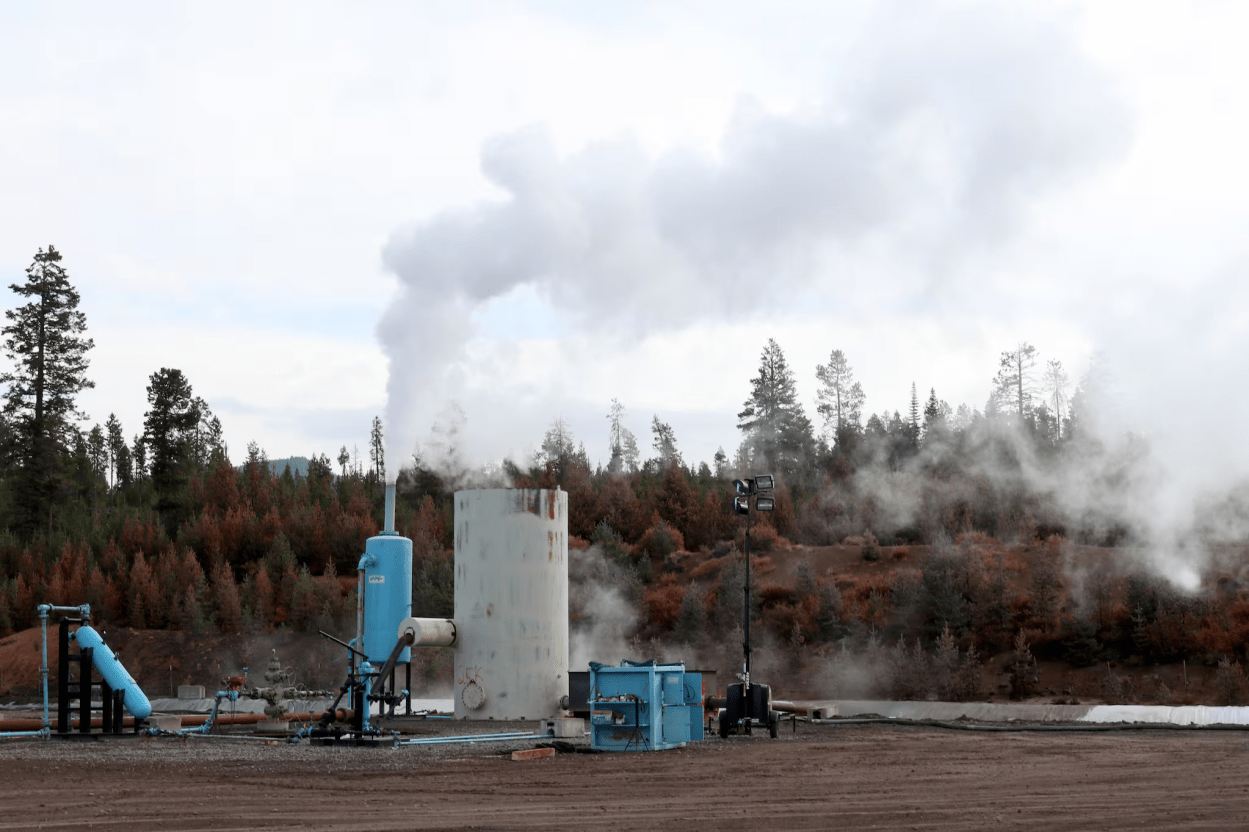
A blue cylinder billows steam indicating success for Mazama Energy’s pilot project on Super Hot Rocks on Sept. 9, 2025.Monica Samayoa / OPB
Under Trump’s new law, Oregon could lose big on solar and wind energy projects.. President Donald Trump, however, has advanced policies that are often counter to Oregon’s renewable goals. The administration’s attacks on wind and solar production are making it harder to add these renewable energy resources to the grid. But the development of geothermal as a renewable energy source is something his administration does support, and it has provided millions in funding.
Meanwhile, Fervo Energy, another U.S. geothermal energy startup using new drilling techniques, is working with Google on a first-of-its-kind geothermal power plant. Known as Project Red, it aims to supply up to 3.5 megawatts of electricity to the Nevada grid in 2026, helping to offset Google data centers’ power use in the state.
Geothermal energy currently meets less than 1% of global energy demand and its use is concentrated in only a few countries, but it could meet up to 15% of global electricity demand growth to 2050, according to a 2024 International Energy Agency (IEA) report. This would mean the cost-effective deployment of as much as 800 GW of geothermal power capacity worldwide, producing almost 6 000 terawatt-hours per year, about as much as the U.S. and India combined. For lower temperature requirements, the potential for geothermal increases about tenfold.
The IEA’slatest World Energy Outlook, released November 14, as leaders gathered in Belém, Brazil, for the doomed COP30 climate change summit, states that global oil and gas demand will rise for the next 25 years if the world does not change course and that it is now “all but certain that 1.5 degrees of warming will be exceeded and pathways that limit this overshoot have now slipped out of reach.”
Modular geothermal systems reduce greenhouse gas emissions by displacing fossil fuels, and use far less land, water and materials than many other renewables, helping ease pressure on planetary boundaries related to land-system change, freshwater use and atmospheric aerosol loading, says the Forum report.
What’s more, with the right policy support it looks like geothermal could be cost competitive within a short period of time. In the U.S. enhanced geothermal is expected to achieve plant capital costs (US$4,500 kW) and a levelized cost of electricity (US$80 MWh) that are competitive with market electricity prices by 2027, according to a February article in Nature magazine.
With further development to manage induced seismicity risk and increase system flexibility, the Nature article says enhanced geothermal systems could provide stable baseload and potentially dispatchable electricity in clean energy systems.
“This technology offers a rare opportunity to expand clean energy access without requiring an entirely new workforce, pipelines or infrastructure footprints making it especially valuable in regions seeking just and practical energy transitions, “says the Forum report”.
The availability of geothermal would be particularly valuable to bolster electricity security in regions looking to transition away from coal-fired power, such as China, India and Southeast Asia, or to complement large amounts of solar PV and wind in regions such as Europe and the United States, says the IEA.
It says China, the United States and India present the largest market potential for next-generation geothermal electricity, together accounting for three-quarters of the global total. If deep cost reductions for next- generation geothermal can be delivered, total investment in geothermal could reach $ 1 trillion cumulatively by 2035 and $ 2.5 trillion by 2050.
Bits and bytes can travel anywhere so future data centers are likely to be built next to geothermal sites that can provide them with electricity and use the same ground water used to spin turbines to cool the centers naturally, a circular solution that will have zero environmental impact, says Pink.
New Drilling Techniques and Modular Approaches
The science behind geothermal energy works like this: the interior of the Earth is incredibly hot, and the deeper you go, the hotter the ground becomes. If you pump fluid deep enough to be warmed by this heat and then pump it back to the surface, you can turn the hot liquid into steam and use it to spin turbines and generate electricity—just like many other types of power plants..
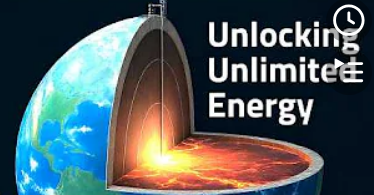
Conventional geothermal depends on naturally occurring hydrothermal reservoirs and requires lengthy custom builds but improvements in drilling technologies and advances in modular, factory built geothermal system are expanding where and how geothermal can be deployed, says the Forum report.
Geothermal energy potential increases as developers access higher heat resources at greater depths. New drilling technologies exploring resources at depths beyond 3 kilometers open potential for geothermal in nearly all countries in the world, according to a 2024 International Energy Agency (IEA) report. It says using thermal resources at depths below 8km can deliver almost 600 TW of geothermal capacity with an operating lifespan of 25 years.
Unlike traditional large geothermal plants tied to specific high-temperature reservoirs, modular systems do not require specific geological conditions and can be deployed in a variety of formats – from small power units on individual wells to containerized heat pump installations for buildings, says the Forum report.
They can deliver weather independent heating, cooling and baseload electricity to residential homes, apartment blocks and offices, as well as manufacturing sites, and can be installed in diverse locations, often with small footprints, reducing construction time and complexity.
A new generation of closed-loop systems involves sealed, underground pipe networks that circulate fluid to extract heat from surrounding rock, without tapping aquifers or releasing emissions into the environment.
Breakthroughs in drilling technologies – drawing on methods ironiocally developed inthe oil and gas sector – are enabling the deployment of closed-loop systems. Key innovations include directional drilling to reach targeted depths, improved wellbore sealing to withstand high temperatures and thermal modelling to optimize performance, says the Forum report. Combined, these advances are opening new markets for geothermal energy, the report says.
In 2023, Fervo Energy demonstrated one of the first commercial- scale applications of enhanced closed-loop geothermal using horizontal drilling and fiber-optic sensing techniques adapted from the oil and gas industry. The pilot project in Nevada, produced 3.5 megawatts (MW) of round-the-clock electricity, validating the viability of closed-loop geothermal in previously inaccessible geologies. Building on this success, Google partnered with Fervo to supply clean power to its Nevada data center – marking a milestone in applying modular geothermal systems to digital infrastructure.
One of the company’s biggest innovations is its use of horizontal drilling. Instead of just digging straight down, Fervo extends its wells horizontally by as much as 5,000 feet at their deepest point.
This technique is often used by the oil and gas industry to increase contact with a reservoir. The same principle applies to geothermal power. By accessing more heat from the same depth, Fervo’s plants cost less and are viable in more places than traditional geothermal plants. They’re also easier to scale up, which is crucial for meeting the world’s energy needs.
Another plus is that because these techniques are nearly identical to ones used by the oil and gas industry, Fervo is able to employ workers from that field with minimal retraining. Sixty percent of the company’s employees used to work in oil and gas, including its CEO.

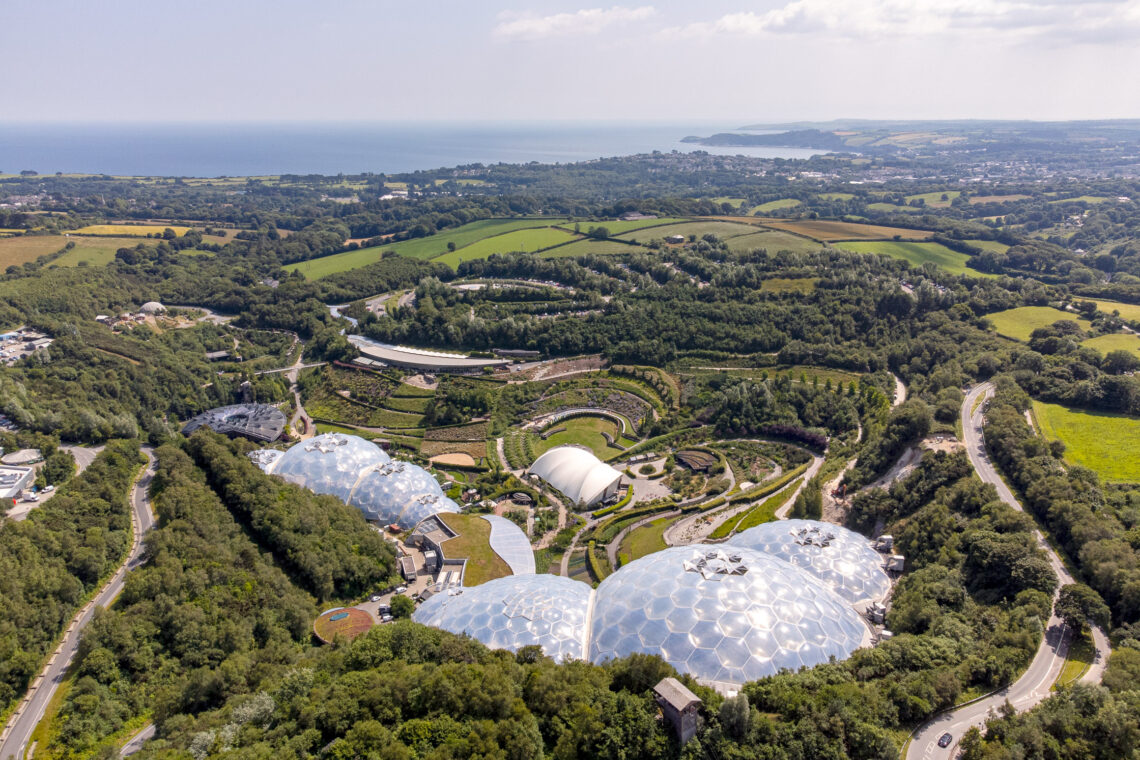
“The technology for drilling into hard rock has advanced enormously in the last four to five years,” Augusta ‘Gus’ Grand, CEO of UK-based Eden Geothermal and a co-author of the geothermal energy portion of the Forum’s report, said in an interview with The Innovator.
“When Eden drilled our well in 2021 it took 110 days to reach four kilometers. Fervo did the same in 20 days,” says Grand. Eden Geothermal, located in Cornwall, England plans to use the new drilling technology to expand its current footprint.
The Eden Geothermal Project
The Eden Geothermal Project is an industrial research project co-funded by the European Union through the European Regional Development Fund and Cornwall Council, with commercial funding from Gravis Capital Manageme
The project originally sought to decarbonize heat supply but is now expanding to include electricity, using learning from the progress in the U.S., says Grand. The site will first expand to a two well system plus electricity plant, and then complete the site development with up to six more wells, and expanded electricity provision to 20MW, plus a spa, and more protected growing of crops to use the leftover heat.
“When you drill repeatedly in the same place you understand the geology and need less service equipment and when you can drill a lot of wells on the same site the costs come down significantly,” she says.
Geothermal can provide a continuous source of low- and medium- temperature heat for use in buildings, industry and district heating. For industry co-locating modular units with data centers, manufacturing plants or agricultural facilities can provide consistent energy, enable energy co-generation and reduce reliance on volatile fuel markets, she says.
Heating in the UK accounts for 37% of emissions. If it is scaled up direct geothermal could make a huge dent in that while also supporting the national grid, says Grand. Grand says the company is seeing interest in geothermal’s potential for generating heat and electricity from hospitals in the UK’s National Health Service (NHS) and from the food industry.
Power To the People
Fed by two deep water aquifers, the greater Paris area in France has been using geothermal energy for heating since 1969. Paris and the Ile-de-France Region is currently home to one of Europe’s largest concentrations of deep geothermal facilities. The region’s airports – Charles de Gaulle and Orly- are powered by geothermal.
Geothermal is also being piloted for district heating across Europe, Total installed capacity is projected to surpass 6.2 gigawatt thermal (GWt) in 2030, a 58% increase from today’s total of 3.9 GWt, developments that are expected to cost an estimated $7.4 billion, according to Rystad Energy an Oslo-based independent energy research and business intelligence company.
Germany is expected to spend more than $1.5 billion on geothermal by 2030. In the last 10 years, installed capacity in the country has doubled from 200 megawatt thermal (MWt) in 2012 to 400 MWt today, according to Rystad Energy.
By 2030, capacity is set to double again and approach 850 MWt. It says the only country to install more capacity between 2022 and 2030 will be the Netherlands, which will have more than 1 GWt capacity by the end of the decade, spending $1.1 billion in the process.
The U.K is lagging, with only 20 MWt of geothermal heating capacity today, but that total is expected to top 100 MWt in 2030, says Rystad. The UK government is expected to spend more than $470 million on geothermal heating by the decade’s end.
Countries that were early adopters of geothermal heating, such as Iceland, France and Hungary, are also expected to increase their capacity installations. French company Enogia is entering the geothermal sector with small-scale Organic Rankine Cycle (ORC) units designed to generate electricity from low-temperature and under-utilized wells.
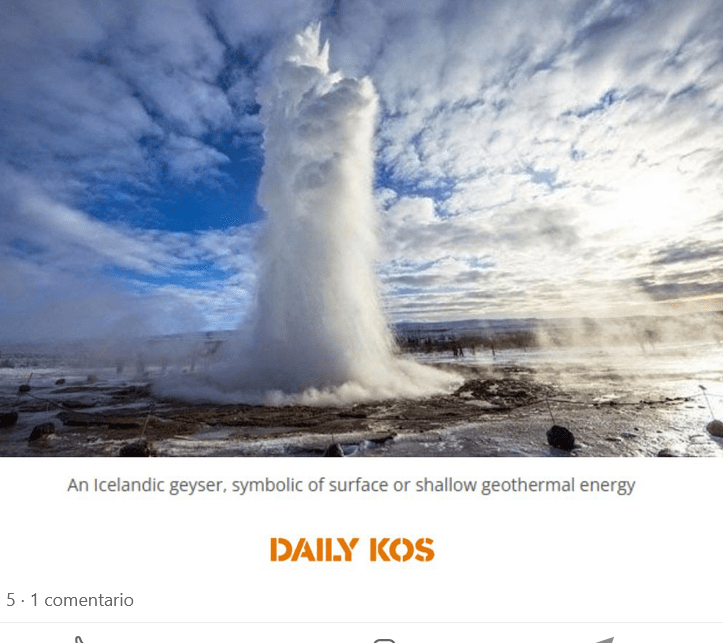
Many wells are not connected because their temperatures are too low to fit the requirements of the central plant. Enogia says its compact ORC systems can turn these wells into productive assets, generating power from as low as 70 °C.
Meanwhile, ground-source heat pumps from companies like Vattenfall and Dandelion Energy tap into the moderate geothermal warmth just meters below ground as a replacement for oil or gas boilers in homes, notes the Forum report
The Role Of The Oil And Gas Industry
Ironically the oil and gas industry, at present destroying the climate and biosphere, can play a key role in boosting the cost-effectiveness of geothermal, says the IEA.
Up to 80% of the investment required in a geothermal project involves capacity and skills that are common in the oil and gas industry. The industry has transferable skills, data, technologies and supply chains that make it central to the prospects for next-generation geothermal.

Growth in global energy demand surged
Diversifying into geothermal energy could be of great benefit to the oil and gas industry, providing opportunities to develop new business lines in the fast-growing clean energy economy, as well as a hedge against commercial risks arising from projected future declines in oil and gas demand.
Engagement from policymakers and the oil and gas industry can lead to a significant fall in geothermal costs as new projects are commissioned, as has been proven possible by the rapid cost reductions for solar PV, batteries and EVs over the past decade, notes the IEA report.
It estimates that, with the right support, costs for next-generation geothermal could fall by 80%b y 2035.
At that point, new projects could deliver electricity for around $ 50 per megawatt-hour, which would make geothermal one of the cheapest dispatchable sources of low-emissions electricity, on a par or below hydro, nuclear and bioenergy. At this cost level, next-generation geothermal would also be highly competitive with solar PV and wind paired with battery storage.
In France the price is already a low of €24 a megawatt hour – which is cheaper than gas and the average levelized cost in Europe is €39 euros, says Grand.
Despite these encouraging advances policy support is lagging: more than 100 countries have policies in place for solar PV and/or onshore wind, but less than 30 have implemented policies for geothermal, according to the IEA.
Other policy recommendations suggested by the IEA include:
- Simplifying and streamlining permitting for geothermal energy by consolidating and accelerating administrative steps involved. Consider dedicated geothermalpermitting regimes separate from minerals mining.
- Supporting geothermal heat applications for residential, commercial and industry use by investing in heat demand mapping, energy system planning, district network infrastructures and by financing at national, regional and city project.
- Designing policies and regulations enforcing robust environmental and social safeguards by actively engaging communities.
The importance of informing and engaging the public can’t be overstated, says Eden Geothermal’s Grand. Geothermal involves fracking “and people have an uncomfortable relationship with the fracking industry,” she says. There are also safety concerns. There was an incident in Basel, Switzerland in 2016 where a geothermal operation caused an earthquake.
“If the UK put $1 billion in geothermal it would make a massive difference,” she says. “Building one new nuclear power plant in the UK will take 10-15 years. In that time and for half the cost at today’s prices[ we could drill 2000 wells and produce all 62 TWh the UK’s projected electricity needs for data centers, without toxic waste or security issues.” says Grand,
from… Geothermal Is Suddenly Hot
https://www.nature.com/articles/s44359-024-00019-9
Deep Geo.. Revolution or Too Hot to Handle?
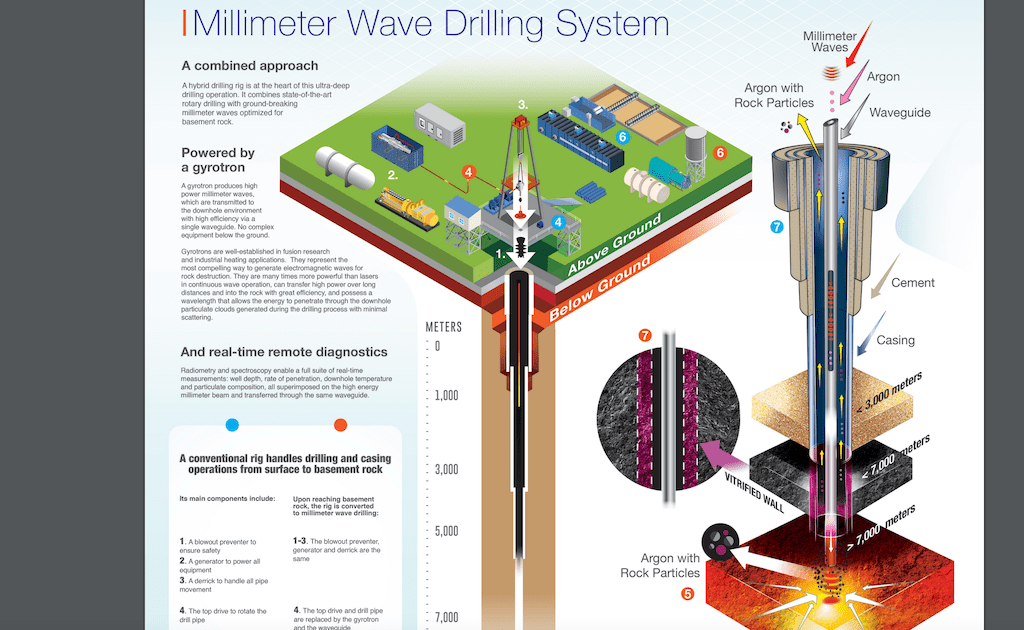
Quaise Energy has made significant progress in its deep geothermal drilling efforts in 2024 and 2025, primarily through successful field tests of its millimeter wave technology which vaporizes rock to reach extreme depths
Pilot Plant Timeline: The company is on track to develop a pilot power plant in the Western U.S., with plans to have it operational as early as 2028. Commercial viability demonstration is expected by the 2030s
Quaise aims to access “superhot” geothermal resources at depths of 10–20 kilometers (about 6–12 miles) where temperatures can exceed 375°C (707°F). At these conditions, water becomes a supercritical fluid, which can carry 5–10 times more energy than regular hot water, vastly increasing power output per well.-

Tier I (Immediate): Sites with high geothermal gradients (e.g., in the Western U.S.) where superhot conditions are closer to the surface.
Tier II & III (Scaling Up): Locations with lower geothermal gradients, accessible only with the MMW drilling technology, which could provide power to over 90% of humanity.
However..
- Important unsolved problems in deep geothermal energy extraction primarily revolve around the high cost and technical limitations of drilling to extreme depths (10+ km) and effectively managing the resulting superhot, high-pressure environments.
- Well Integrity and Materials Science: Standard well casing and cement materials are not rated for the extreme temperatures (400-500°C+) and corrosive fluids found deep underground.
- A major challenge is creating sufficient connectivity between injection and production wells to allow for high flow rates of water/steam.
- Downhole Tools and Monitoring: Sensors and other equipment often break or malfunction in the harsh, high-temperature environment.
***********


