shared with thanks from.. https://directa.cat translation thefreeonline, original en Català cap a baix
Two years after the invasion of this canton of Rojava, Islamist factions under Turkish control continue to plunder the territory and clash with the civilian population, which nevertheless refuses to leave. Most of them have had to live in very poor conditions in the Shehba refugee camp, under military control of the Syrian regime of Bashar al-Assad.
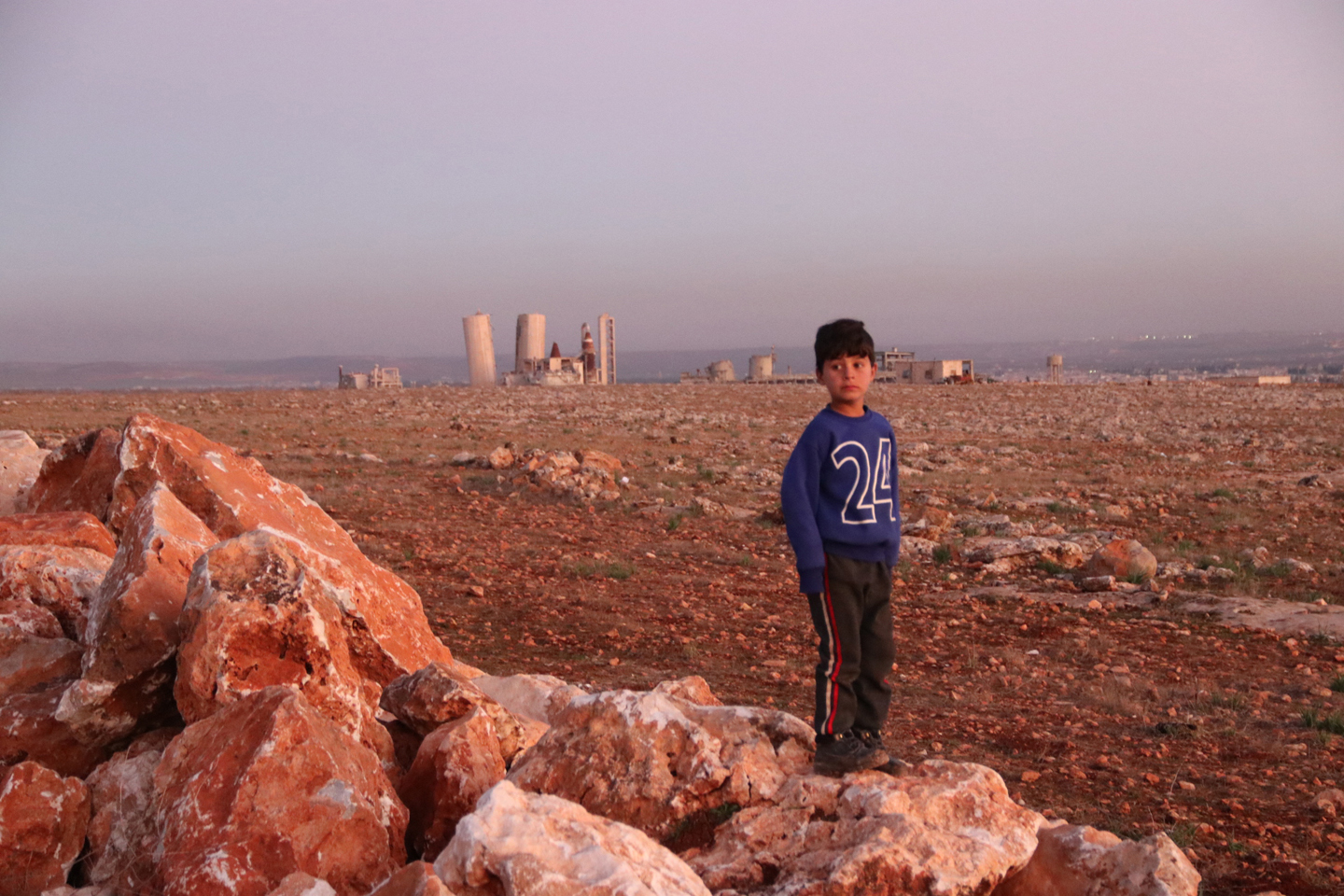
A refugee child of Afrin in the camp of Serdema Ferran Domènech
A fuel truck exploded in late April in the central market of the city of Afrin (in the canton of Rojava, in the northwestern part of the Syrian state), killing about 50 people. While the Turkish government in Ankara blamed the Kurdish forces for the attack, they denied any involvement. Meanwhile, several Syrian opposition parties and organizations, some loyal to Turkey, blamed Turkish authorities for the blast.
This is another chapter in the instability in the canton of Afrin, in the northwestern tip of Syria, a region with a Mediterranean climate where olive trees, streams and small mountains give shape and character to its inhabitants. . There is not a single person in Afrin who is not in love with his land and speaks of it with devotion. Afrin is also one of the three historical cantons of Rojava where Democratic Confederalism – the ideology according to which the Kurdish movement is organized – had developed most successfully.

Paid by the Turkish State., the jihadi mercenaries are given free reign to loot,'confiscate' property and kill or expel residents.
But since 2018 it has been under Turkish occupation. Since then, Ankara has carried out a demographic shift by establishing Arab and Turkmen populations in the area, whether they are Islamist fighters under Turkish orders or displaced families from other parts of Syria.

Barin Kobane-Avesta Xabur and Anna Campbell-our-heroes-murdered by Turkish invasion in-Afrin
The same demographic engineering is taking place in Sere Kaniye and Tell Abyad, areas occupied in October 2019, according to various human rights organizations. However, hundreds of people are reluctant to leave these territories, especially the elderly, who face harsh reprisals from pro-Turkish factions: from rapes to kidnappings in exchange for money or disappearances.
Destroy the forests and erase history
Hasan Hasan ran an English academy in the city of Afrin, which he was forced to abandon due to the invasion. He is currently a member of the Afrin Human Rights Association and is dedicated to documenting violations of rights by the Turkish state. He explains that “Afrin was the richest area of Rojava, or even Syria.” For this reason, the occupation has not been limited to repression of the local population and theft of property, but has taken other forms, such as the plundering of natural resources.

“At least 200,000 olive trees and hundreds of thousands of pines, oaks and other varieties have been cut or uprooted,” says Hassan. Much of the olive trees would have been sold to other regions such as Idlib or Urfa, or processed into firewood and charcoal to cope with the high price of oil and diesel.
This plunder has also affected centuries-old trees in Sufi, Alevi and Yazidi religious shrines. Xudiret Betar, a member of the Yazidi minority, explains that the Proturant militias looted nineteen Yazidi sacred sites. “They steal what they can and destroy what is left.”
Continue reading “Afrin: Turkey’s Den of Thieves, Racists, Rapists and hired Al Qaeda Thugs”