
 NH3 fuel can be burned without producing CO2 or toxic gases, plus its cheaper and nearly as high powered as gasoline But right now its made with Natural Gas feedstock.. which DOES pollute and emit CO2. However NH3 is ideal for production with smaller scale renewable ‘green’ facilities. For example we can go right back to 1913, and climb up to the waterfall on the ice free fjord of Rjukan, where ‘green’ NH3 fertilizer was made for half the planet!
The 60 MW Rjukan dam in Telemark, Norway produced ammonia via electrolysis of water for many years from 1913 producing fertilizer for much of Europe at the Vemork power station at the Norsk H Rjukan waterfall in the Telemark province (state)
In the European and American race to develop a process for manufacturing artificial fertiliser, the Rjukanfossen waterfall was harnessed in 1911 to provide sufficient power to run Professor Kristian Birkelan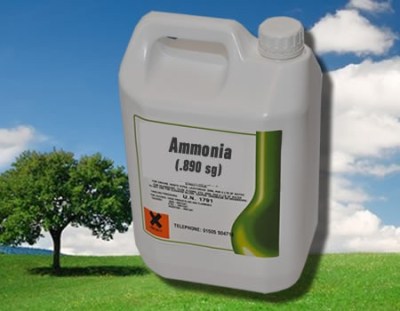 d’s electric arc method for separating nitrogen from air. This method was more effective than any other method tried at that time (Niagara 1903 etc.) and, following test runs at Notodden (1907), the method was seen as promising from an industrial perspective.
Norsk Hydro[1], was formed and an urban community was created in the early 1900s in a poor and remote rural area. This involved a number of elements such as power stations, factories, residential areas, buildings for administrative and social purposes, as well as equipment for exporting calcium nitrate (Norges-salpeter, Norwegian saltpetre), a significant industrial product for agriculture worldwide.
Read MORE http://whc.unesco.org/fr/listesindicatives/5472/
Ammonia is a compound of nitrogen and hydrogen with the formula NH3. It is normally encountered as a gas with a characteristic pungent odour. Ammonia contributes significantly to the nutritional needs of terrestrial organisms by serving as a precursor to foodstuffs and fertilizers.
see all posts on NH3 https://thefreeonline.wordpress.com/category/ammonia-nh3-co2-free-fuel/



 The Free