from thefreeonlineon 1st August 2023 by Nigeria Today
ECOWAS Faces Tensions Over Military Intervention in Niger Republic as Burkina Faso and Mali Rally Support

Niger Suspends Uranium & Gold Exports Amid Rumors Of Imminent French Military Intervention
Tensions are growing among the Economic Community of West African States (ECOWAS) over the topic of military action in Niger Republic amid a developing geopolitical crisis. Guinea has expressed fear that such an intervention may destabilize ECOWAS as a regional entity.
The urge for military intervention in Niger Republic derives from the region’s continuous security issues and political instability. However, Guinea’s President, Alpha Conde, has raised concerns over the potential ramifications of such a move, claiming that it may lead to confusion and dissension among ECOWAS member nations.
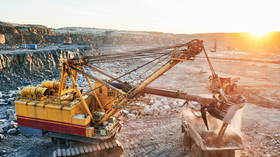
Niger coup triggers global uranium price warning
Instead, Guinea is pushing ECOWAS to emphasize the welfare of African migrants in Tunisia, emphasizing the humanitarian catastrophe that many of these migrants are experiencing. The country believes that ECOWAS should prioritize collaborative efforts to address migration issues and provide support to those in need.
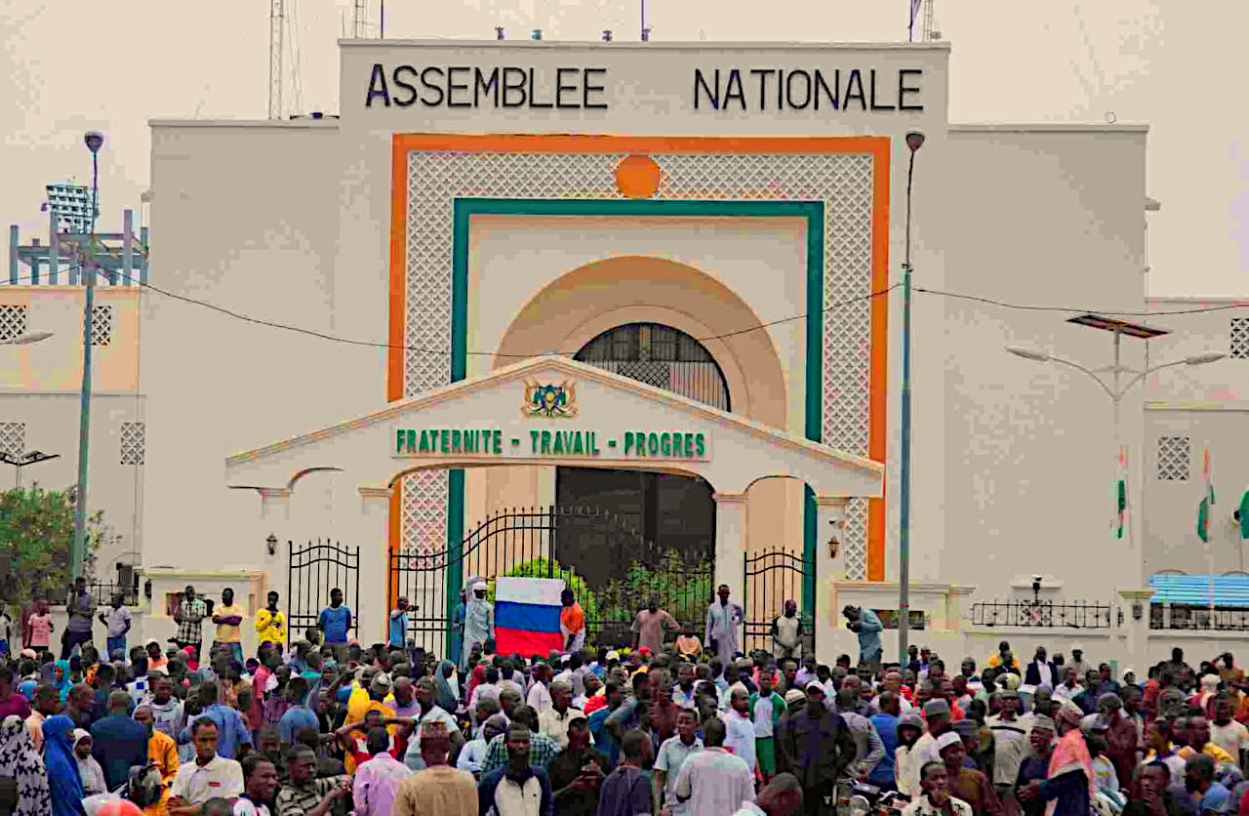
Burkina Faso and Mali, on the other hand, have adopted a different attitude, declaring their unshakable support for Niger in the face of any military intervention. According to a joint statement issued by the governments of Burkina Faso and Mali, military involvement would be considered a “declaration of war” and would likely exacerbate tensions in the already fragile region.
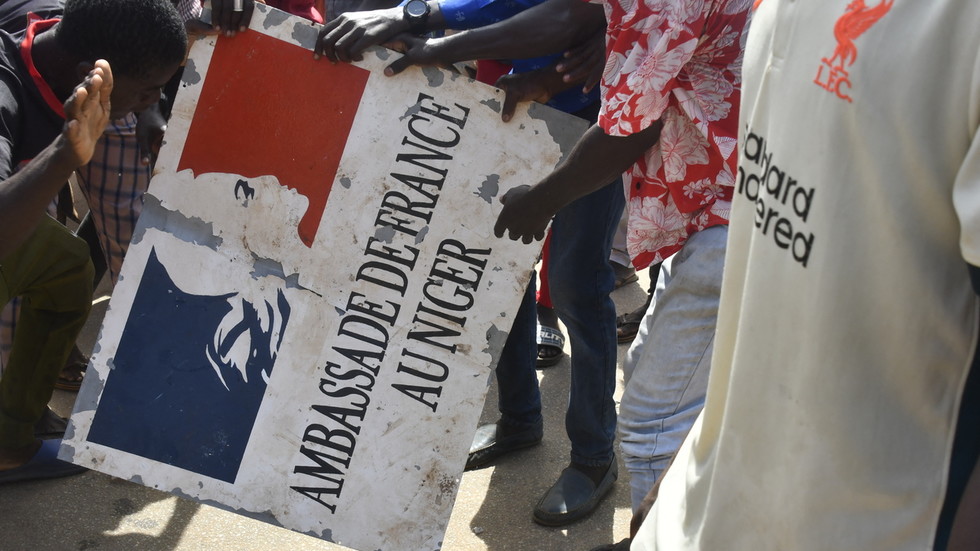
see also.. France loses its uranium meal ticket in Niger
The issue has sparked considerable concern, with consequences for regional stability and collaboration. As ECOWAS member nations negotiate these complicated concerns, the region will put its unity and collective decision-making to the test.
The ongoing debates among ECOWAS member nations have piqued the international community’s attention and concern. The world community is intently observing the situation to determine the ramifications for security, migration, and other diplomatic relations within the West African region.

As events evolve, ECOWAS officials are under pressure to find a balanced solution that addresses security issues in Niger Republic while preserving the regional body’s unity and stability. The conclusion of these discussions will influence ECOWAS’s future orientation and involvement in tackling regional concerns.