-Nature must Not be for Sale- Vandana Shiva tells RFK Jr.-videos

from Children’s Health Defense 08/23/22 by Suzanne Burdick, Ph.D. via thefreeonline

Agroecology — sustainable farming that works with nature, rather than depleting nature — is the solution to global hunger, poverty and climate change, Vandana Shiva, Ph.D., told Robert F. Kennedy, Jr., on a recent episode of “RFK Jr. The Defender Podcast.”

rfk jr vandana podcast feature

Vandana Shiva, Ph.D., environmental activist, is an author and founder of Navdanya International.

Shiva told Robert F. Kennedy, Jr., on a recent episode of “RFK Jr. The Defender Podcast”:

“Asset management companies go to an indebted company and say, ‘Give us your forest and your mountains, and here’s the money to pay your debt.’
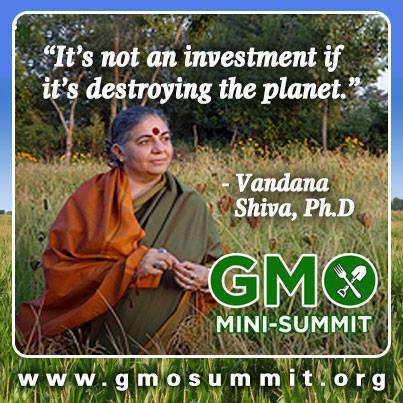
“Because we are in a debt crisis, this kind of new enslavement will increase unless we rise up and say, ‘Nature’s not for sale.’”

Shiva’s latest book, “Agroecology and Regenerative Agriculture: Sustainable Solutions for Hunger, Poverty, and Climate Change,” provides evidence-based solutions for pressing crises in global ecology, agriculture and public health.

‘Without Wild Species, Our Whole Planet Unravels,’ Says Author of Biodiversity Report • Children’s Health Defense

She told Kennedy she became an environmentalist when she realized corporations that sold chemicals and “poisons” wanted to own seeds and were promoting GMOs (genetically modified organisms) in order to patent the seeds.

“I happened to be at a meeting where they were talking about this 1987,” she said. “That’s when I said, ‘No, the seed must be saved. We cannot allow the poison cartel to be the owners of life and take royalties from the farmers.’”

Shiva and Kennedy discussed how the Rockefeller Foundation and the Bill & Melinda Gates Foundation pushed industrial agriculture on Indian farmers under the “so-called ‘green revolution,’ which really means “chemical farming,” Shiva said.

Continue reading “-Nature must Not be for Sale- Vandana Shiva tells RFK Jr.-videos”
Photos: Record Monsoon Cloudbursts Wreak Havoc in Pakistan

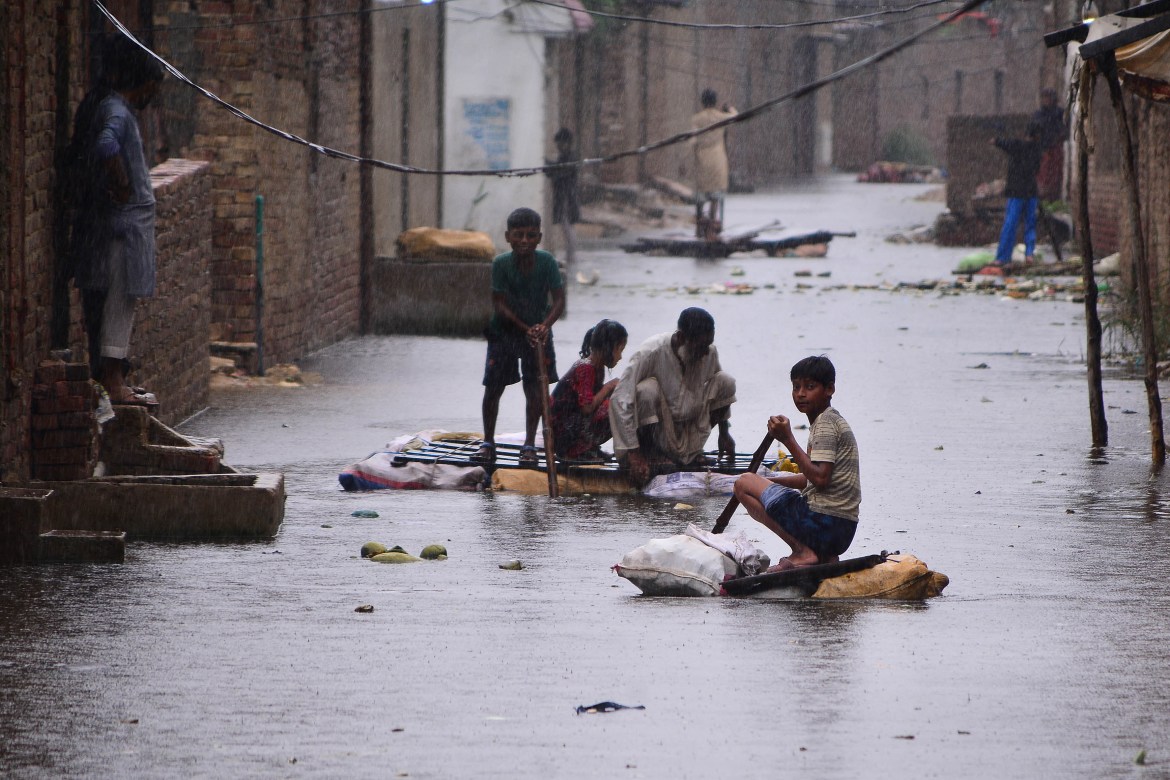
Floods have hit much of Pakistan since mid-June, causing at least 903 deaths and leaving about 50,000 homeless.

25 Aug 2022 by al jazeera via thefreeonline shared with thanks

Pakistan floods
Men paddle on makeshift rafts as they cross a flooded street in Hyderabad, Pakistan. [Yasir Rajput/Reuters]

Heavy rains have triggered flash floods and wreaked havoc across much of Pakistan since mid-June, killing at least 903 people and leaving about 50,000 homeless, the country’s disaster agency says.

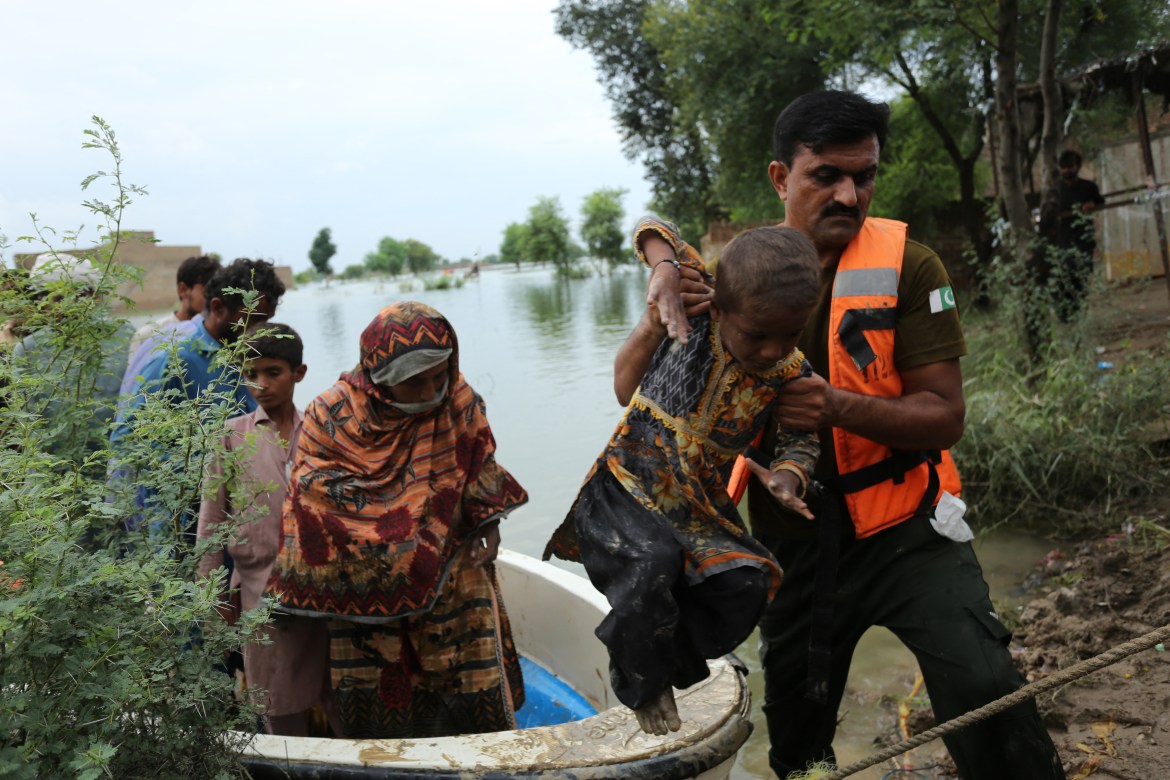
Thousands whose homes were swept away now live in tents, kilometres away from their inundated villages and towns, after being rescued by soldiers, local disaster workers and volunteers.

Pakistan floods
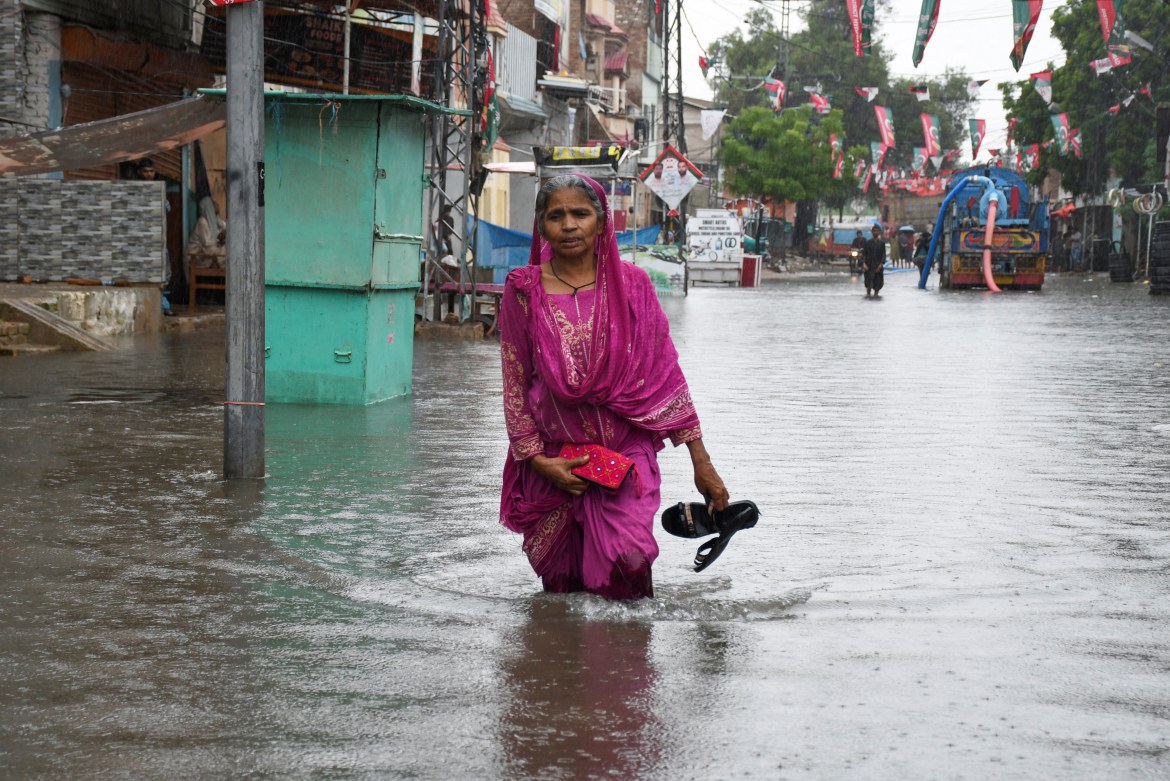
A woman wades through a flooded road in Hyderabad. [Yasir Rajput/Reuters]

The flooding has further exacerbated Pakistan’s economic crisis. Prime Minister Shehbaz Sharif issued an appeal on Wednesday from abroad, urging philanthropists to help flood-affected areas in Pakistan.

After inundating much of southwestern Balochistan and eastern Punjab province, flash floods also affected the southern Sindh province. Authorities this week closed schools in Sindh and Balochistan.

Pakistan floods
Residents use makeshift rafts to make their way along a waterlogged street in a residential area of Hyderabad. [Akram Shahid/AFP]

Monsoon rains, which started in mid-June, were expected to continue this week, mainly in the south.

Pakistan floods
Residents are evacuated from a flood-affected area of Rajanpur, Punjab province. [Shahid Saeed Mirza/AFP]

Murad Ali Shah, the top elected official in Sindh province, said the situation was worse than in 2010, when floods killed at least 1,700 people in Pakistan, mostly in Sindh. “We are doing our best to evacuate people from flood-hit areas,” he said on Tuesday.

Continue reading “Photos: Record Monsoon Cloudbursts Wreak Havoc in Pakistan”

Palabras del prisionero subversivo Juan Aliste ante la semana de agitacion y solidaridad con lxs prisionerxs anarquistas y antiautoritarixs

publicacionrefractario's avatarPublicacion Refractario

Enemigxs del estado no es una consigna ni un panfleto, es la convicción de vida que nos permite transitar integrxs y sin retorno en la intensa,violenta y hermosa senda de la guerra social.

Confrontando sin pausas el poder con una continuidad de lucha,apostando desde el anarquismo y la subversión a seguir fortaleciendo la guerrilla urbana.

Ninguna prisión ni condena frenarán el latido de los negros corazones de nuestrxs hermanxs de lucha. Mónica y Fransisco nuestra complicidad y amor en guerra.

View original post 50 more words

Mujeres guineanas se manifiestan contra las violaciones de los militares: “Todo queda impune”

Roxana Vanessa's avatarStigmatis


Barcelona | Por Beatriz Pérez | 26 Ago. 2022

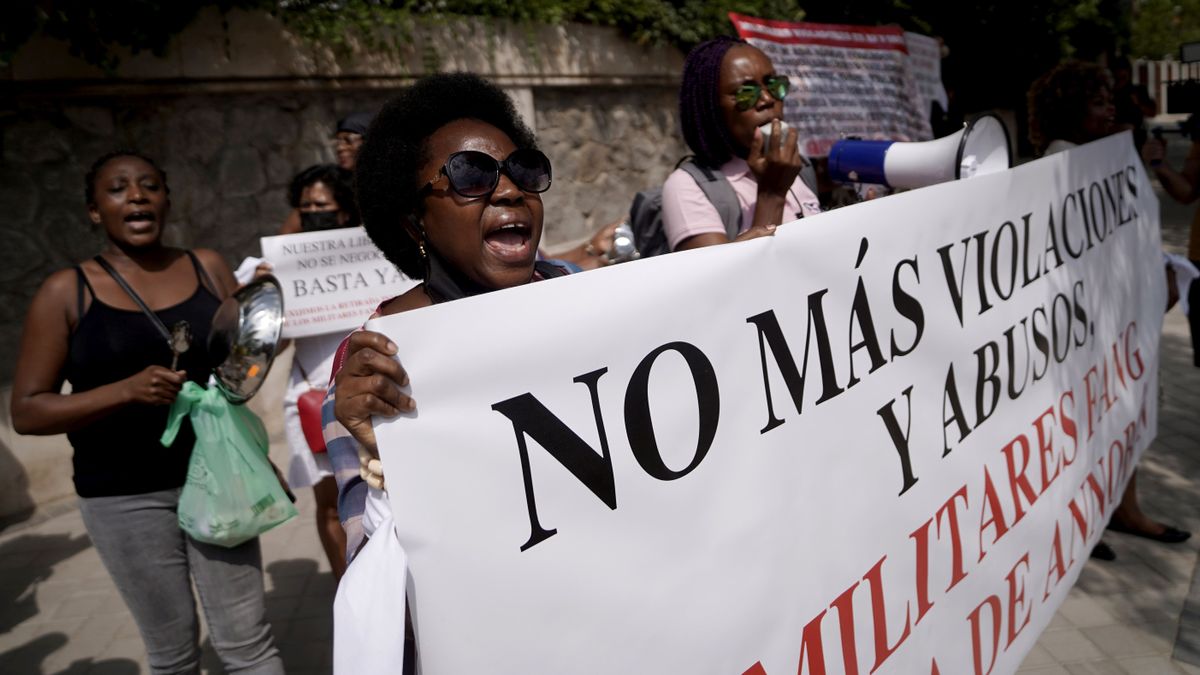
Unas 20 personas de la isla de Annobón se concentran ante la embajada de Guinea Ecuatorial en Madrid para denunciar las brutales agresiones a embarazas y niñas

Unas20 mujeres naturales de la isla de Annobón,enGuinea Ecuatorial,se han manifestado este viernes frente a la embajada de Guinea en Madrid. Denuncian lasviolaciones que sufren por parte de los militaresque Teodoro Obiang, quien preside el país desde 1979 tras un golpe de estado, tiene desplegados por la isla.“Queremos justicia”,“Todo se queda impune” o “No más militares en Annobón” han sido algunos de los lemas que se han podido leer. Las manifestantes han entregado al embajador unmanifiestodenunciando la grave vulneración de derechos humanos en la isla y prevén volverse a manifestar en octubre.

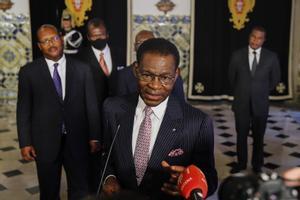
El presidente de Guinea Ecuatorial, Teodoro Obiang, en una visita a Portugal el pasado julio.
Mujeres guineanas denuncian violaciones impunes de militares de Obiang en la isla…

View original post 500 more words

Pushing back State Repression – lessons from exiled Hong Kongers who march thru Bristol

by PRSC on July 25, 2022 The Bristol Activist, Voice via thefreeonline

On Tuesday, June 28, in the UK, the Police, Crime, Sentencing and Courts Act came into force, the biggest blow to protest rights in a generation.

There are those who know only too well what it is like to live under a government that sets as a goal the removal of your rights.

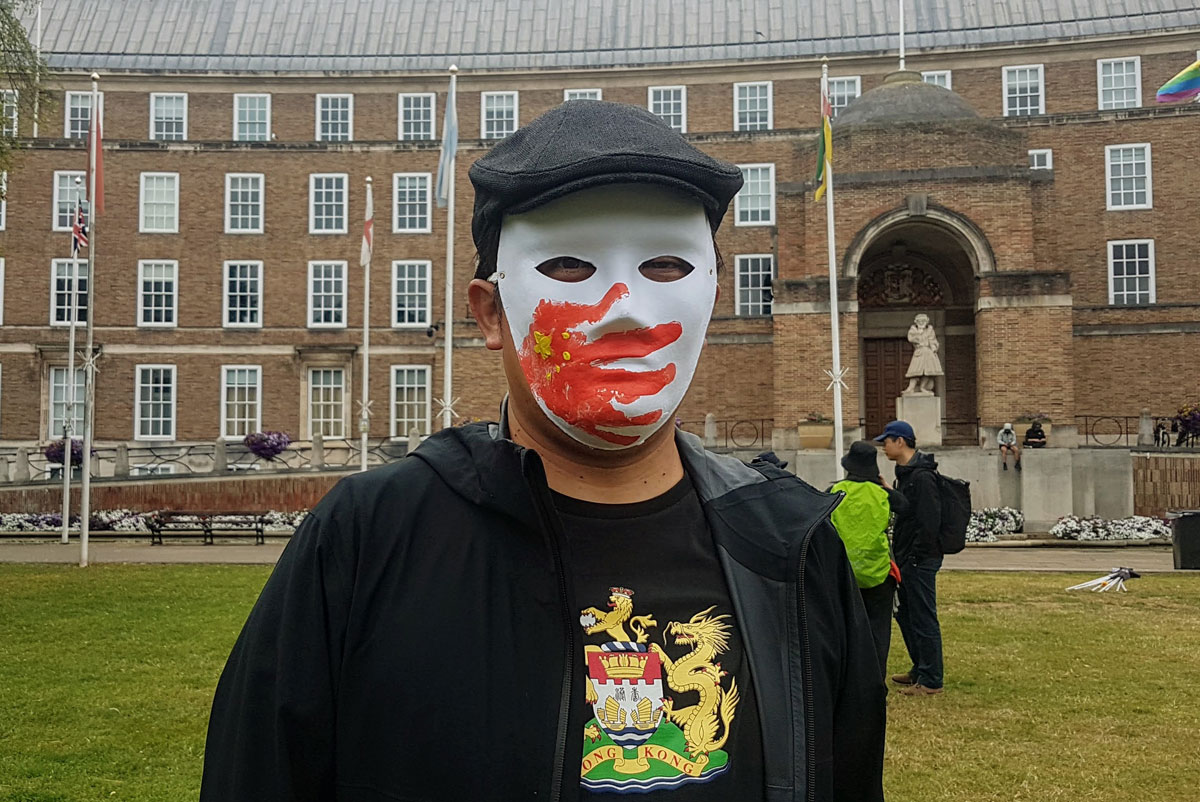
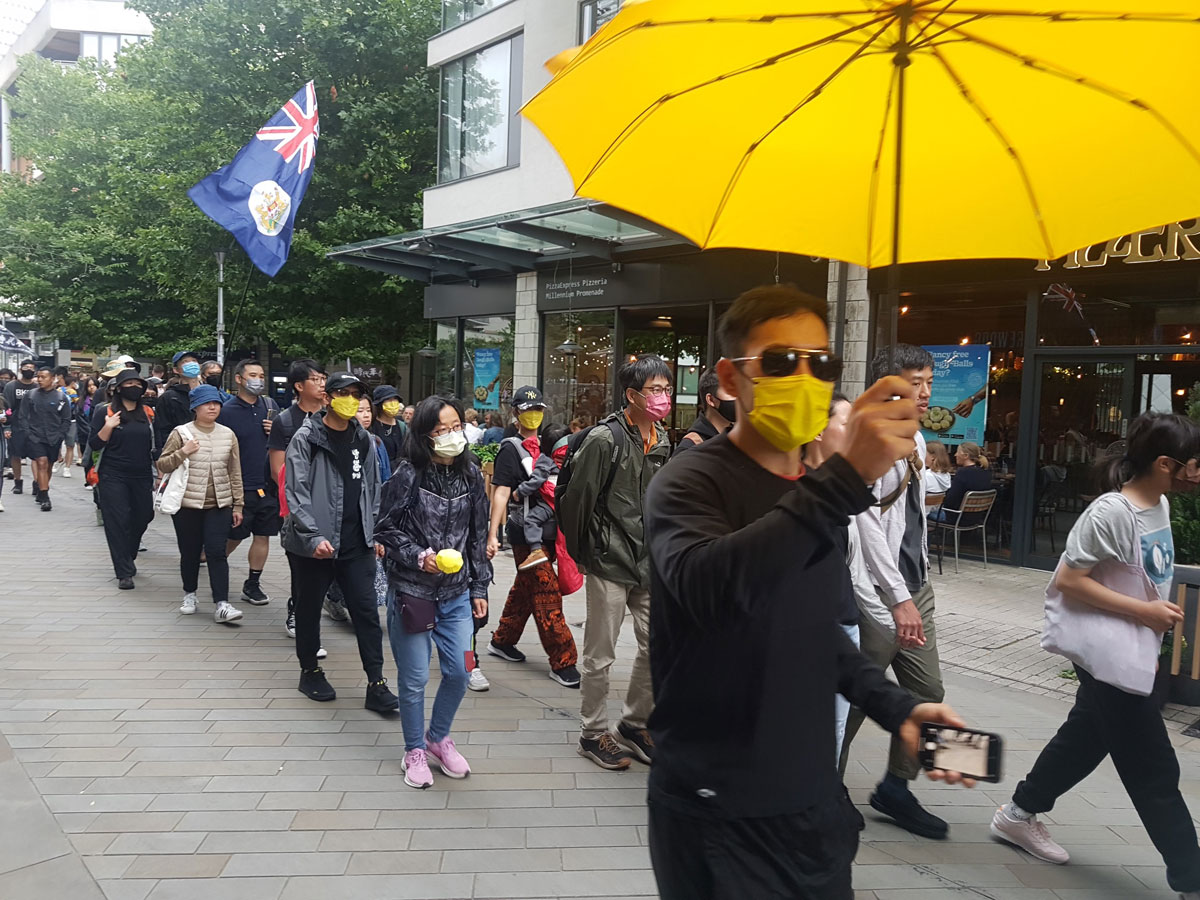
Several thousands Hong Kongers live in Bristol, having fled their city following the uprising of 2019 and 2020, in which protesters battled police on the streets of Hong Kong for freedom and self-governance against the imposition of new laws by China.

On July 23, around 150 of those Hong Kongers gathered on College Green to remember the uprising, and the particularly brutal events of July 21, 2019 in which protesters were attacked whilst waiting for trains. The attackers are thought to have been acting in collusion with the local police.

Many of those in the crowd fled Hong Kong when China passed the National Security Law, a law that limited free speech, curtailed protest and banned political dissent.

Whilst it would surely be an overreach to compare the National Security Law with our own Police, Crime, Sentencing and Courts Act, it is worth noting the parallels.

Both rely on vaguely defined offences and cover-all terms that could potentially apply to anyone and any act the government deems offensive.

Continue reading “Pushing back State Repression – lessons from exiled Hong Kongers who march thru Bristol”

Glyphosate, GMOs and Pesticides/ health disaster for profit/ US updates– 2022

from The New Dark Age on 26 August 2022 by Sustainable Pulse via thefreeonline

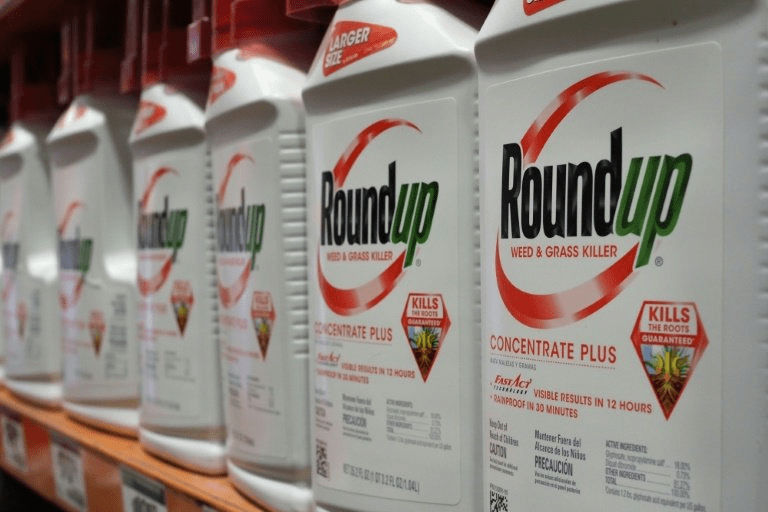
Florida University Study Shows Glyphosate Causes Convulsions in Animals

A recent report by the United States Centers for Disease Control and Prevention found more than 80 percent of urine samples from children and adults in the U.S. contained the herbicide glyphosate. A study by Florida Atlantic University and Nova Southeastern University takes this research one step further and is the first to link the use of […]

Read more

FDA Finds Majority of Foods in America Contain Pesticide Residues

Over half of all food samples tested by the U.S. Food and Drug Administration (FDA) contain the residues of at least one pesticide, and one in ten samples have levels that violate legal limits established by the U.S. Environmental Protection Agency (EPA), Beyond Pesticides reported Monday. Source: Beyond Pesticides These findings, published by the FDA […]

Read more

Glyphosate Crosses Blood-Brain Barrier and Exposure Correlates with Alzheimer’s Symptoms – New Study

In a new study, Arizona State University (ASU) and the Translational Genomics Research Institute (TGEN) have explored the effects of glyphosate exposure on the brains of mice. The research demonstrates, for the first time, that glyphosate successfully crosses the blood-brain barrier and infiltrates the brain. Once there, it acts to enhance levels of a critical factor […]

Read more

Continue reading “Glyphosate, GMOs and Pesticides/ health disaster for profit/ US updates– 2022”

World Food Systems are in Crisis, and Big Agribusiness is at its Heart

By Lorena Cotza & Ouafa Haddioui, at MASSolidarity.org via thefreeonline Aug 2022

‘Who Will Feed Us?’, small-scale producers provide food to 70% of the world, while using only 25% of the resources.

Originally posted on OpenDemocracy, Article also available in Portuguese

Public finance has a key role to play in agriculture. Instead of propping up corporate interests, it should learn from local producers

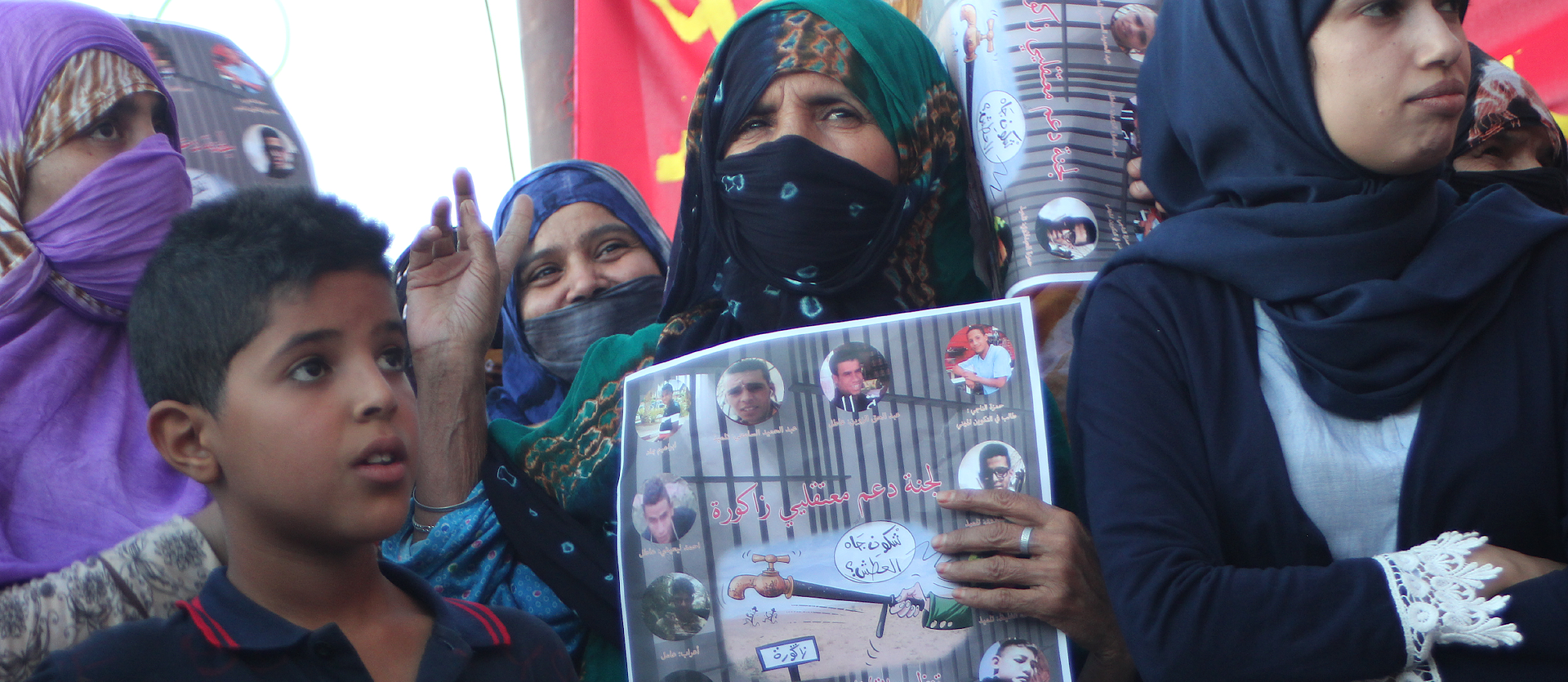
In 2017, the people of Zagora, Morocco, took to the streets in what became known as the ‘thirst revolution’.

They were demanding safe drinking water and an end to the excessive use of water by big agricultural companies.

In an already arid area, experiencing frequent droughts and heatwaves due to climate change, much of the available water supply was being used to grow watermelons for export to Europe. Residents had been left with an insufficient, unreliable and undrinkable supply. Twenty-three of the demonstrators were arrested.

In Morocco, irrigation for agriculture consumes almost 90% of the annual available fresh water. This intense extraction dates back to the colonial period, when the French authorities replaced the khettara – a traditional irrigation system developed and managed by local communities – with water-intensive structures that allow production to fulfil the demand of European markets.

soy harvesting vehicles advance in V formation

Agriculture now constitutes almost 15% of Morocco’s GDP. The industry receives substantial support from public development banks such as the African Development Bank and the World Bank. Both banks supported the 2008 Green Morocco Plan, which aimed to “fully exploit the agricultural potential of the country”.

World Bank Involvement in the Agricultural Sector in Morocco

The plan favoured export-oriented crops with high water requirements, such as watermelons, tomatoes and citrus fruits.

Morocco’s water crisis is not an isolated case. All around the world, water scarcity and food crises are being caused by the man-made disasters of climate change, colonialism, and an extractive economic model – pushed by governments, private companies and development finance institutions – that boosts productivity at any cost and disregards the rights of local communities.

Running out of water -(opens in a new tab)mipa.institute/8137

Escalated by the pandemic and the subsequent global economic crisis, water and food shortages have reached unprecedented levels in dozens of countries, with small-scale producers – especially women – disproportionately affected.

Continue reading “World Food Systems are in Crisis, and Big Agribusiness is at its Heart“