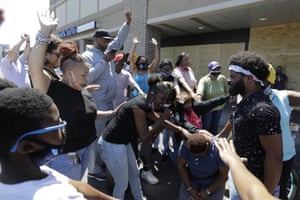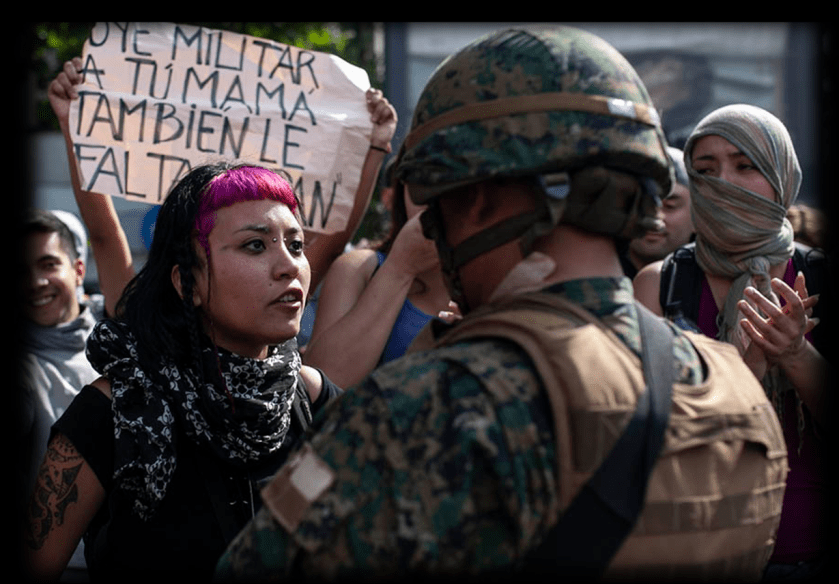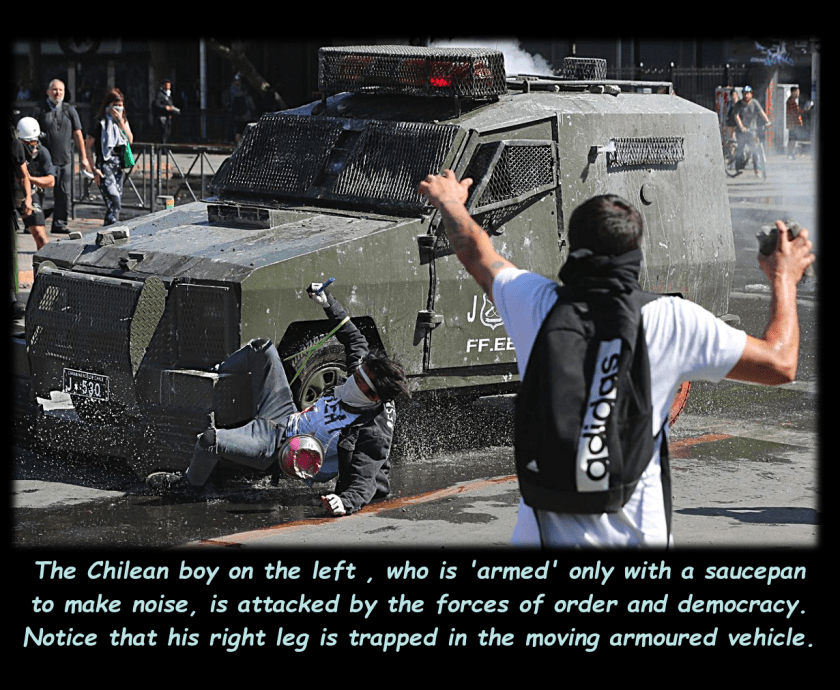

Activists break into the house of Kaotar Dee, to get her and her possessions back into her home of 21 years and for her to make a barricaded stand after being locked out by landlords during the coronavirus pandemic on May 29, 2020, in Los Angeles, California. The city has recently passed the right for […]
Without Relief, Millions of Tenants Ready for Rent Strike Revolution — The Most Revolutionary Act
Calls to “cancel rent” are catching fire. First came a couple of tweets on Twitter. Then progressive firebrands like Congresswoman Alexandria Ocasio-Cortez endorsed the #CancelRent movement. Now, millions are on a rent strike. Even presumptive Democratic presidential nominee Joe Biden has declared his support for rent and mortgage forgiveness.
As millions of tenants mobilize to cancel rent, they are not asking nicely or relying on lip service from politicians. Rather, millions of tenants are taking action by using a powerful time-tested strategy: rent strikes.
As the desperation builds and another month of bills and rent arrears accrues, tenants are no longer politely asking for help. Tenants are rightfully taking matters into their own hands by organizing rent strikes to bring the fight to their landlords and elected officials to cancel rent. “When we fight, we win! We are here to let them know,” said Kim Statuto, who is a tenant leader for tenant organizing group
Community Action for Safe Apartments in the Bronx. “Thousands of people are on strike! Because we can’t pay and because it should not be on us to bail out the landlords!” While rent strikes are not new, I have never seen tenants come together on this scale before.
In New York, multiple unions that represent thousands of housing attorneys and legal services workers, including myself, have joined the cancel rent movement. As an attorney, I have represented tenant associations on countless rent strikes against their landlords in the past decade. In my experience, rent strikes are an incredibly effective strategy for tenants to reclaim their power and win meaningful demands.
Rent strikes have been used as early as 1907. In New York City, rent strikes have been closely intertwined with the civil rights struggles of African Americans for many generations — from landlords charging Black Americans higher rents than white Americans, or the city government’s racist housing policies, such as racially discriminatory rental practices and exclusion from public housing. And rent strikes have been incredibly successful in achieving huge victories, such as rent control in the 1940s.
As lawyers, we must caution clients about the legal risks they are undertaking. These are unprecedented times and there are looming questions: What new laws may pass? How will courts process landlords’ claims for nonpayment of rent? How will judges and juries interpret tenants’ legal defenses within a global health pandemic?
The scale of this housing crisis is terrifying for so many who do not see any relief in sight. It also means that individual tenants can, once again, turn to their neighbors for solidarity.
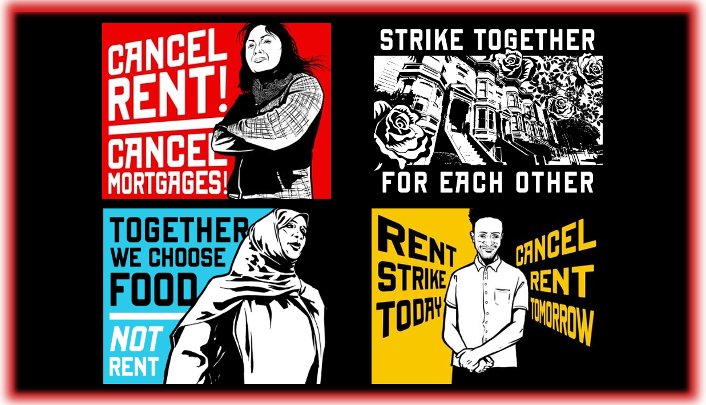
When tenants work together on a rent strike, it can: (1) build collective strength and pressure that summons landlords to the negotiating table; and (2) reduce the risk of retaliation for any individual tenant. Perhaps more importantly, tenants transform from passive and helpless witnesses to their own oppression to empowered actors ready to fight and claim their dignity.
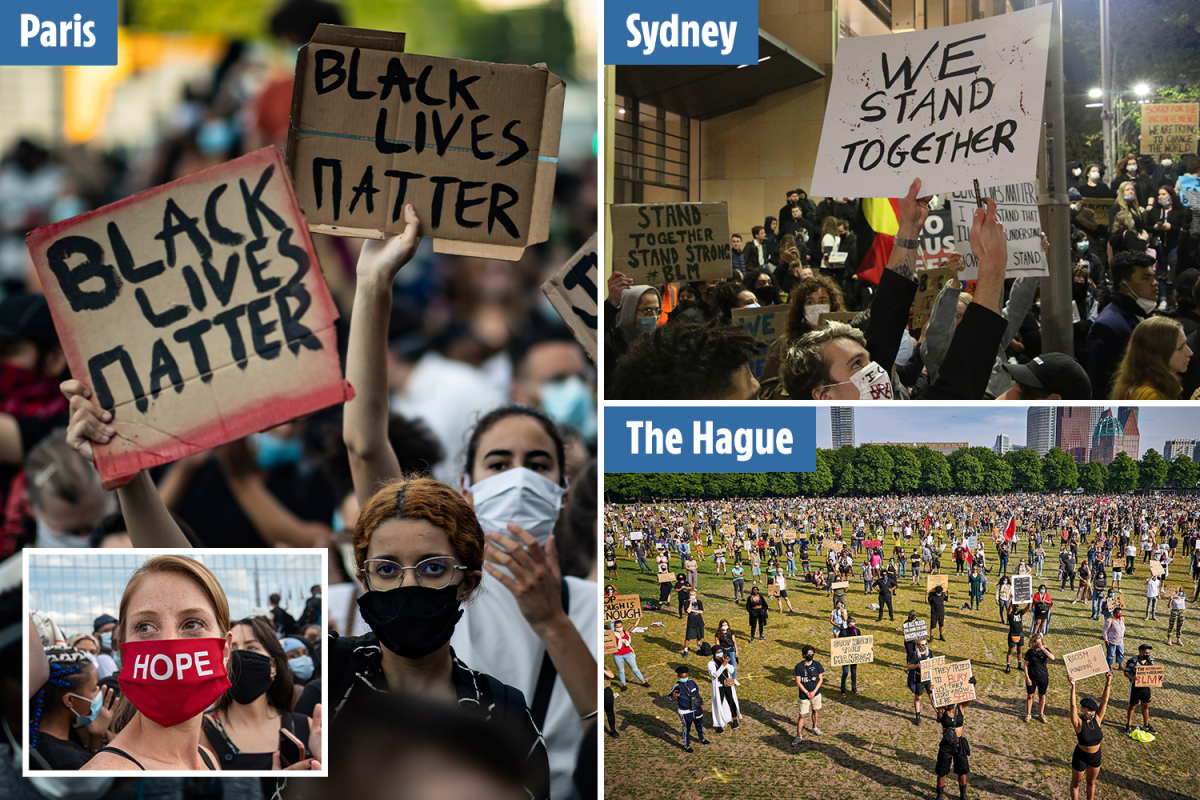

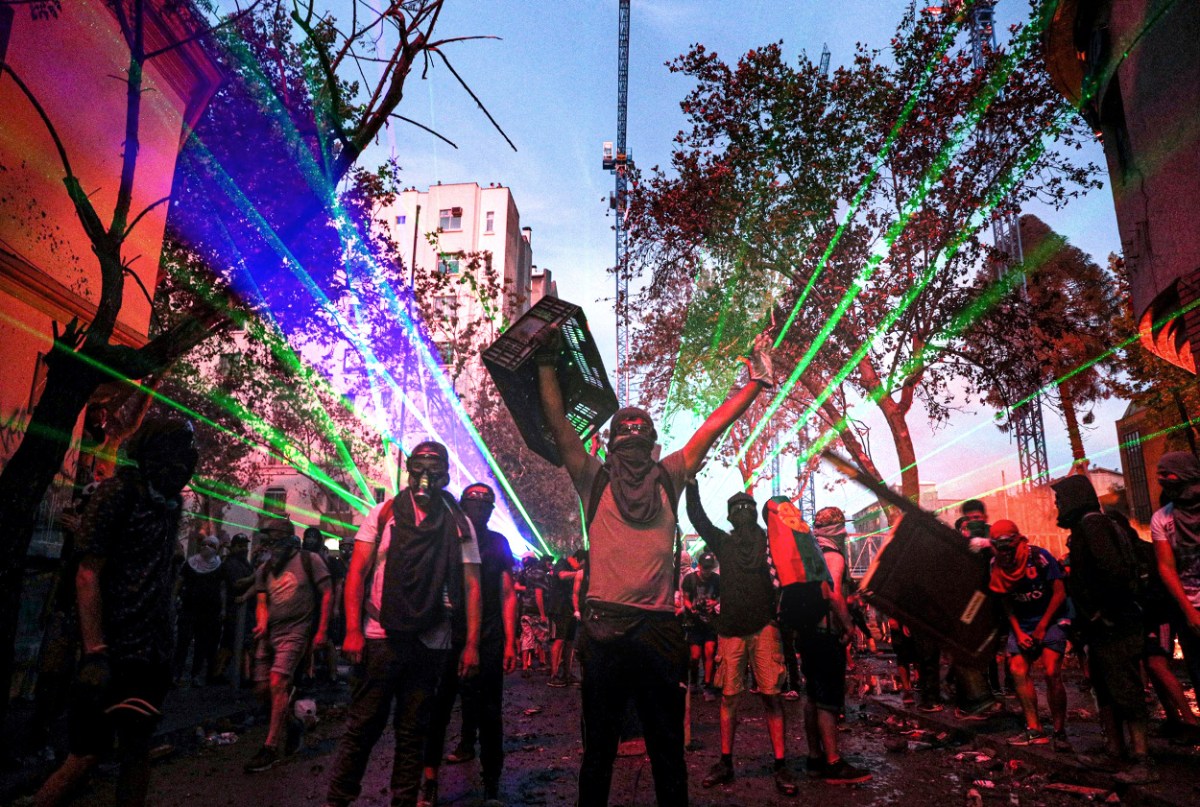
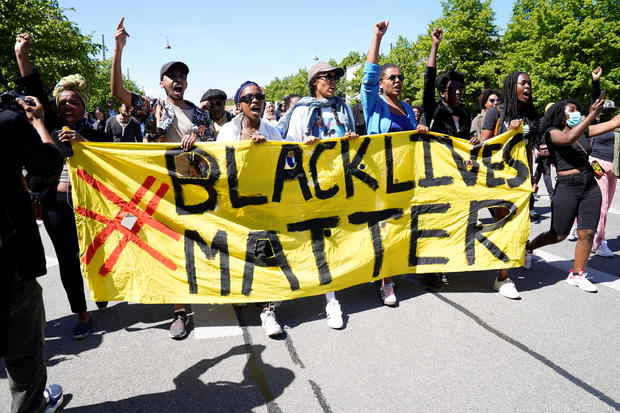 Protesters gather during a ‘Black Lives Matter’ demonstration against the death in Minneapolis police custody of African-American man George Floyd, in front of the U.S. Embassy in Copenhagen, Denmark May 31, 2020.