
Tens of thousands of people have moved to shelters from areas in and beyond the no-go zone around the plant, including from a wider 30-kilometre zone where people were first told to stay indoors and later urged to leave. Higher levels of radiation have been detected in the newly designated locations, raising fears that residents’ accumulated exposure may exceed 20 millisieverts per year – the government’s limit for evacuation.
Since the March 11 disaster, Japan has raised the legal exposure limit for people, including children, from one to 20 millisieverts per year – matching the 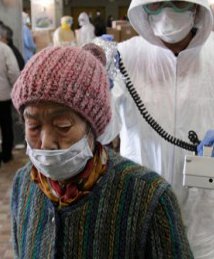 safety standard for nuclear industry workers in many countries. Environmental groups and critics have slammed the government for the rule change and say the current evacuation zone around the plant is not wide enough and does not account for the irregular pattern of radiation exposure…..
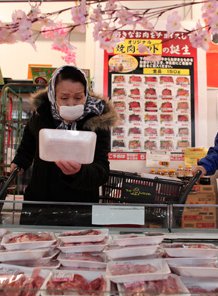
On Tuesday, the government banned shipments of Fukushima beef, four months after the March 11 quake and tsunami sparked reactor meltdowns at the nuclear plant. Municipalities, including areas in Tokyo, have said that the affected meat has already been used in school lunches and sold at stores. The central government has banned shipment of certain vegetables, tea, milk and seafood from Fukushima and areas beyond including tea grown south of Tokyo. (SeedDaily…)
Fukushima residents’ urine now radioactive More than 3 millisieverts of radiation has been measured in the urine of 15 Fukushima residents of the village of Iitate and the town of Kawamata, confirming internal radiation exposure. Both are about 30 to 40 km from the Fukushima No. 1 power plant, which has been releasing radioactive material into the environment since the week of March 11, when the quake and tsunami caused core meltdowns. “This won’t be a problem if they don’t eat vegetables or other products….
read more








 The Free