Global warming has skyrocketed with every month breaking the record for the hottest ever in history. Evidence grows that one of the 10 deadly tipping points has been reached, which could detonate all of the rest. help save climateHERE
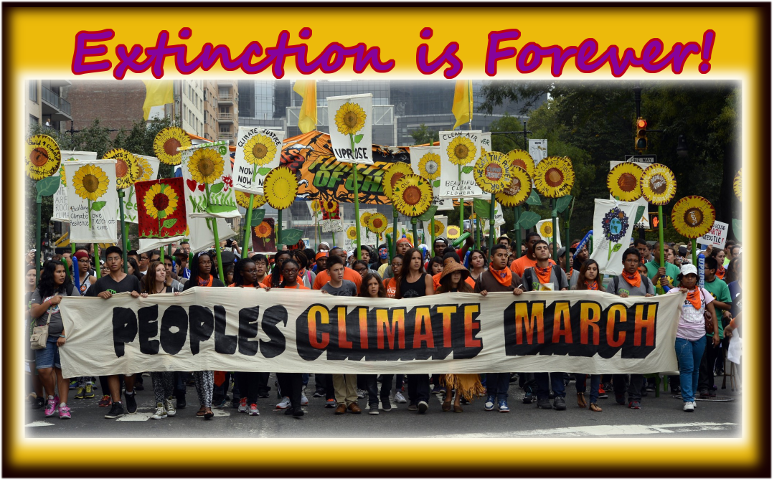
This is what the largest civil disobedience in the history of the environmental movement looks like in Europe
These days, we’re witnessing the largest civil disobedience in the history of the environmental movement. People around the world are joining together in an unprecedented wave of escalated mass actions targeting the world’s most dangerous coal, oil and gas projects, under the banner of Break Free from fossil fuels.
The UK kicked off Break Free last week with three hundred people halting operations at the country’s largest opencast coal mine at Ffos-y-fran in South Wales for a day. The peaceful occupation and blockade ended with no arrests.
300 people shut down the UK’s largest opencast coal mine Photographer: Kristian Buus
Tipping Points – the Facts….- an irreversible moment when the dreaded feedback loop begins. This is now the central issue for the scientific community: we may now be helpless to stopabrupt and runaway global warming.These ten major tipping points may right at this moment be being triggered.
Melting glacierswill raise sea levels so that less heat is reflected out to space
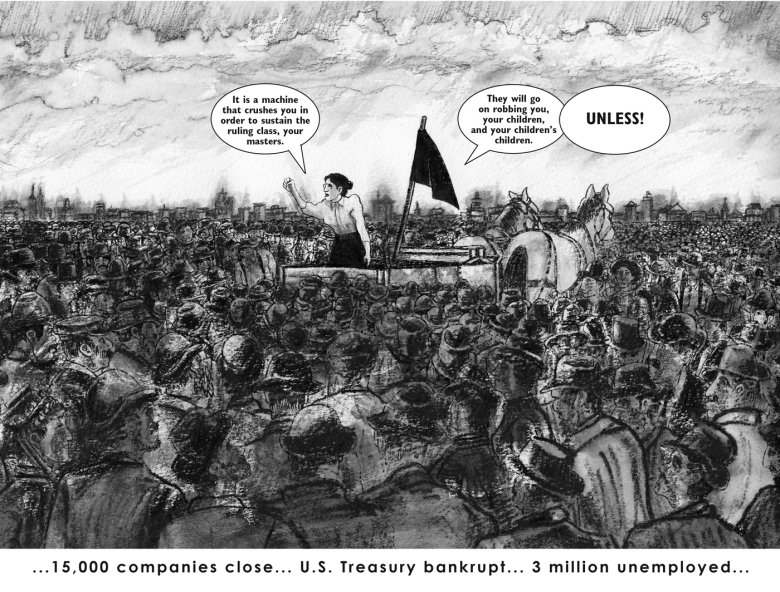
This graphic novel about Emma Goldman tells the stories of two women – anarchist and feminist Emma Goldman, one of history’s greatest orators and Dorothy Rogers, an obscure younger radical lost to history, but a key figure in Emma’s last turbulent year in Canada. Despite a shared melancholy, they fight to save a man’s life from certain death in the final poignant act of Emma’s 50 years as a revolutionary.
This true-life, epic story is interwoven in the fictional context of Helen, the writer, and Henry, the artist, as they create this graphic novel on the lives of Emma and Dorothy.
Below is an excerpt from my graphic novel about Emma Goldman. Drawings were created using a combination of watercolour pencil, pen and acrylics.
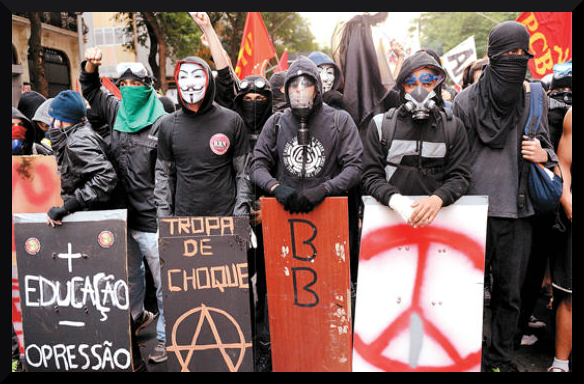
After Sunday’s worldwide NuitDebout demos the movement united with angry workers in a brilliant series of Strikes, Demos, Blockades, Occupations which continue to grow despite police and State Repression.
This is my favorite writing about being a woman involved with anarchism based on my 33 years of experience. What has been put in bold are my own favorite passages that I have seen so clearly for so long.
For too long anarchist feminists have been labeled as the ‘ladies auxiliary of male bomb throwers’. The misconception and manipulation of both feminists and anarchist principles and practice have resulted in the use of sensationalist and ridiculing tactics by the state and its spokespeople.
This has not only polarised the general populace from potentially liberation concepts but has also polarised anarchists from feminists. In the past and more so recently there has been a uniting of these beliefs and Peggy Korneggers article; ‘Anarchism; the Feminist Connection’ goes so far as to say that the two genres of thought are inextricable tied although the connection has not been consciously articulated by feminists very often.
Kornegger agrues that feminism’s “emphasis on the small group as a basic organisational unit, on the personal as political, on anti- authoritarianism and on spontaneous direct action was essentially anarchism”. Continue reading “Anarcha Feminism is being Truly Anti-Authoritarian”
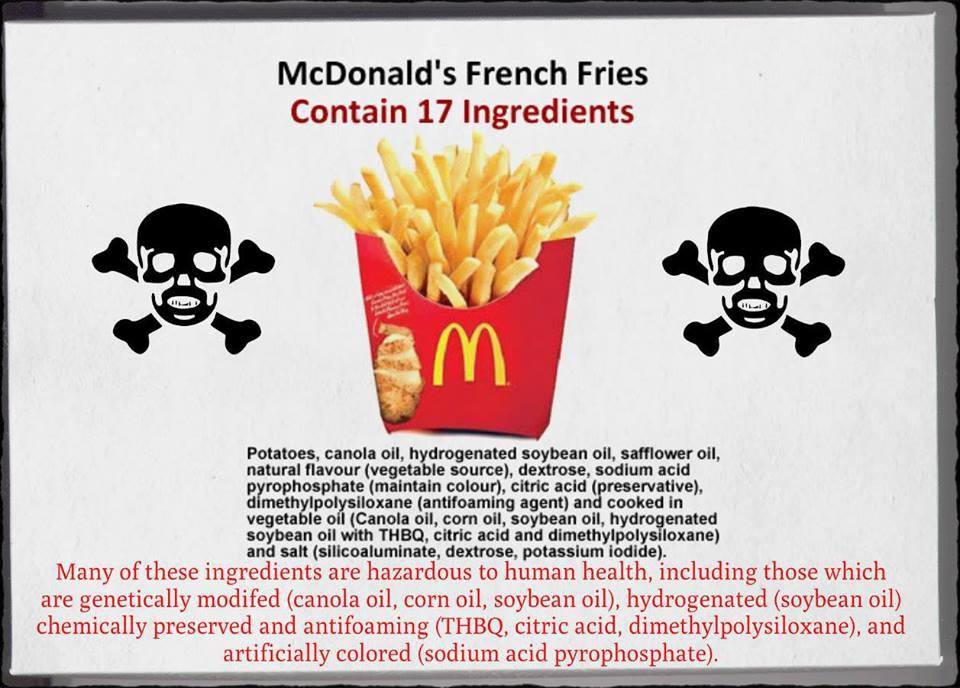
(NaturalNews) If you’ve ever wondered how McDonald’s manages to make its french fries look so “appealingly” consistent in color, the answer is likely to make you never want to eat them again.
It turns out that the reason the fast food giant is able to serve fries that look almost unnaturally perfect has to do with the fact that they use a very unnatural and toxic chemical to achieve the desired result.
Best-selling food author and activist Michael Pollan has revealed the secret behind Mickey D french fries’ uniform unblemished appearance, and it’s not appealing at all.
In the YouTube video below, Pollan describes the process:
As Pollan explains, McDonald’s uses only one type of potato to make their fries – a variety called Russet Burbank.
Russet Burbanks are longer than the average potato, which enables McDonald’s to sell, as Pollan notes, “red boxes with a…
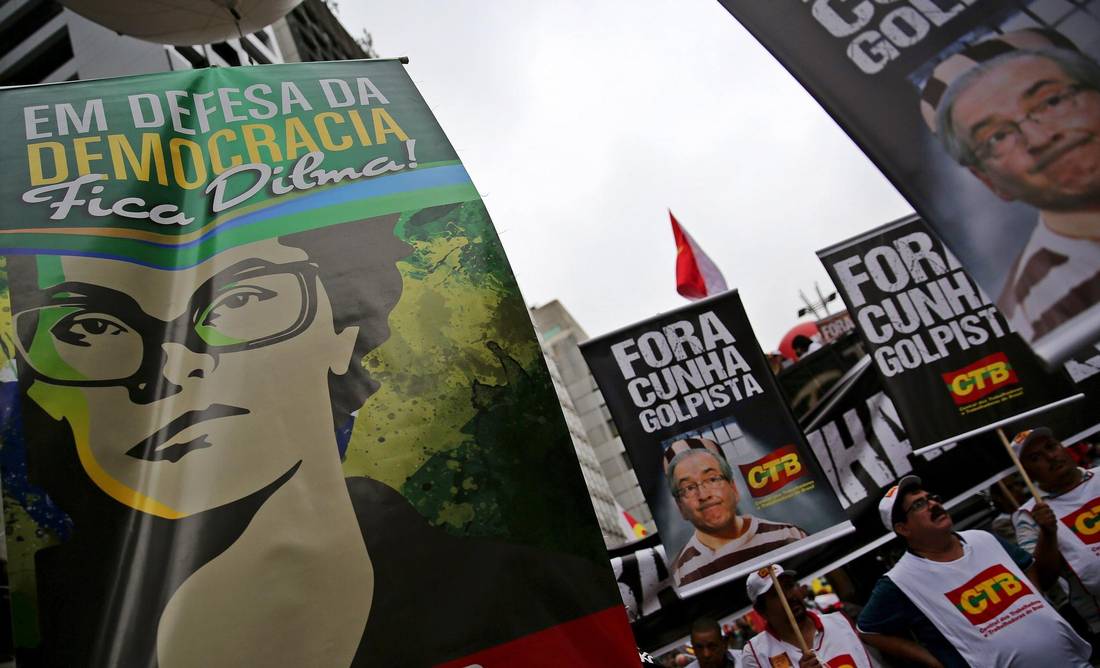
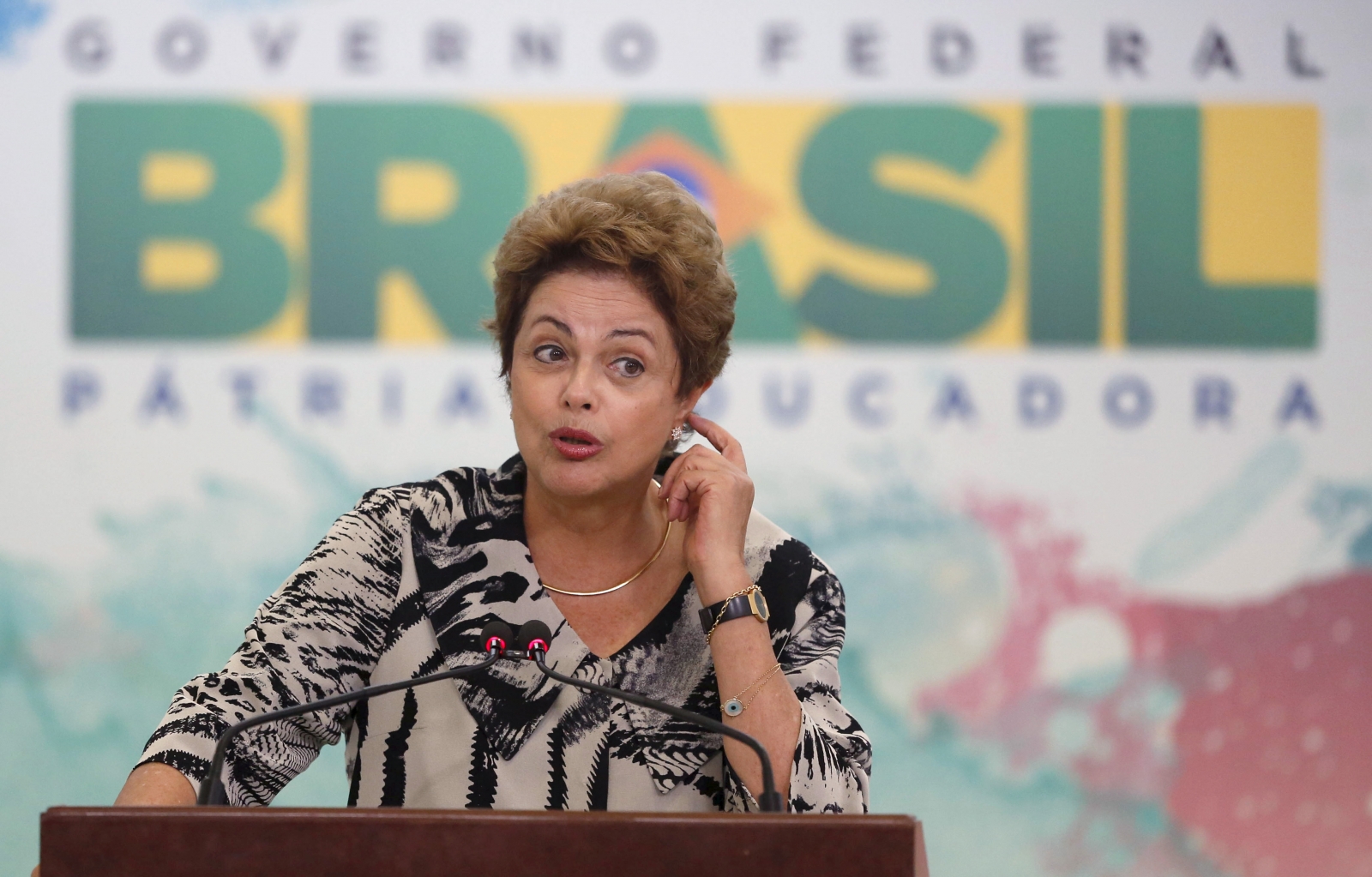
Never in modern political history has it been so easy to “abolish the people” and simply erase 54 million votes cast in a free and fair presidential election.
Forget about hanging chads, as in Florida 2000. This is a day that will live in infamy all across the Global South – when what was one of its most dynamic democracies veered into a plutocratic regime, under a flimsy parliamentary/judicial veneer, with legal and constitutional guarantees now at the mercy of lowly comprador elites.
After the proverbial marathon, the Brazilian Senate voted 55-22 to put President Dilma Rousseff on trial for “crimes of responsibility” – related to alleged window dressing of the government’s budget.
This is the culmination of a drawn-out process that started even before Rousseff won re-election in late 2014 with over 54 million votes. I have described the bunch…
Next war begins: US To Send Troops, Weapons To Libya To “Fight ISIS”
by Tyler DurdenJust two years after the US provided generous amounts of modern weapons to both the “moderate” Syrian rebels as well as the Iraq military, which then conveniently and almost immediately “fell into the wrong hands” and served to arm what was then a little known group of Muslim fundamentalists that went by the name of the Islamic State, the US is about to do it again. (see Yemen: US Weapons again “Landed Up in the Wrong hands” )
In a move which the AP notes is “fraught with risk” the United States and other world powers said they would supply Libya’s internationally recognized government with weapons to counter the perennial bogeyman (whom the US armed in the first place), the Islamic State and other militant groups gaining footholds in the chaos-wracked country’s lawless regions.
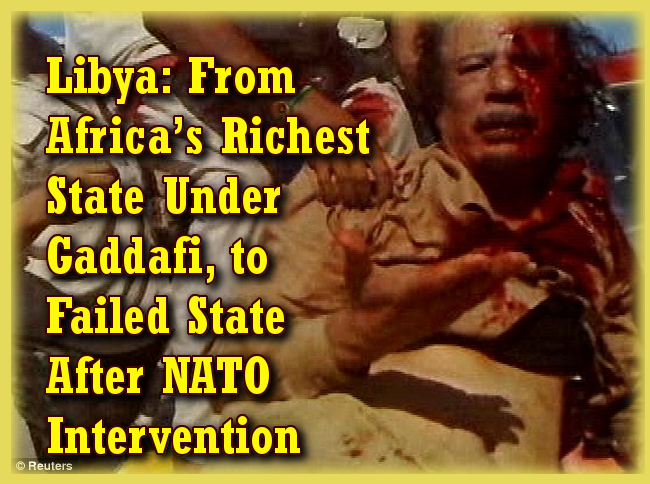
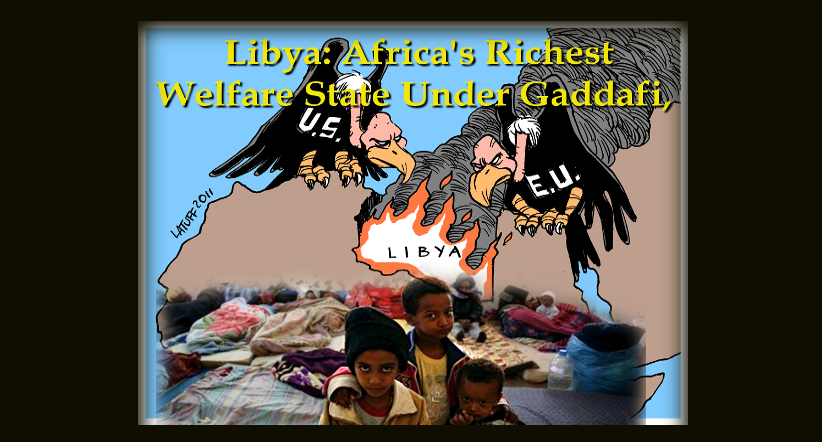
Adding to the irony is that until just five years ago Libya was a relatively peaceful and organized nation, at least until the CIA and Hillary Clinton successfully unleash the “Arab Spring” domino effect in the MENA region, toppling various long-time dictators and converting nations such as Libya into a hotbed of militant instability, terrorism, and millions of Europe-bound refugees.
However, Libya promptly descended into chaos after the toppling and death of Moammar Gaddafi five years which turned the country into a battleground of rival militias battling for powers. More recently, the power vacuum has allowed the mysteriously ubiquitous Islamic State to expand its presence, giving it a potential base in a country separated from Europe only by a relatively small stretch of the Mediterranean Sea.
Even more ironic is that there is an ongoing embargo to supply Libya with weapons, which however it about to be circumvented. As AP writes, “aiming at once to shore up the fragile government, and prevent Islamic State fighters and rival militias from further gains, the U.S., the four other permanent U.N. Security Council members and more than 15 other nations said they would approve exemptions to a United Nations arms embargo to allow military sales and aid to Libya’s so-called “Government of National Accord.”
In a joint communique, the nations said that while the broader embargo will remain in place, they are “ready to respond to the Libyan government’s requests for training and equipping” government forces. “We will fully support these efforts while continuing to reinforce the UN arms embargo,” the communique said.
What the UN meant is that by equipping government forces they are about to equip ISIS with even more state of the art weaponry and supplies as the Iraq fiasco is about to be repeated.
With support from all five permanent members of the U.N. Security Council, the plan is unlikely to face significant opposition from any quarter.
The narrative is so worn out it can be seen from a mile away: “the step will boost the government’s efforts to consolidate power and regain control over Libyan state institutions like the central bank and national oil company.” As a reminder, this was the pretext used in virtually every failed US foreign intervention campaign. At least this time AP at least point out the obvious: the deployment of weapons “also comes with risks, not least of which is that the arms may be captured or otherwise taken by the Islamic State or other groups.”
Risk? We would call it the plan’s intention, a plan which, incidentally, John Kerry called the plan “a delicate balance.”
And just in case the Pentagon’s objective is unclear, defense officials told CNN that the US “is slightly expanding” its efforts to counter ISIS activity in Libya, sending in small teams of troops to try to establish relationships with groups that may be able to form a new nationwide government, according to a U.S. defense official familiar with the operation.
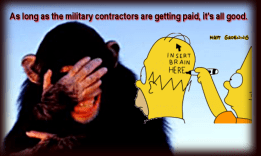
Translation: US arms for the “local government”, i.e., the current iteration of Syrian moderate rebels, are about to make the US military-industrial complex rich again.
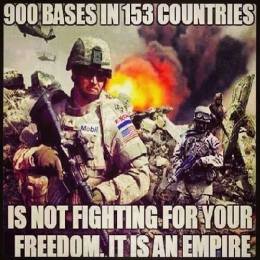
CNN adds that the effort stops short of a formalized military presence on the ground, which means just one thing: yet another informal US military presence in a region which already has seen US troops in ever increasing amounts in both Iraq and Syria. We can now add Libya to the total.
The effort has been underway since late last year. In December, U.S. troops were photographed inside Libya but left after local militias objected. At that time, U.S. officials said it was not a regular task for U.S. troops to go to Libya. Now, that appears to have changed.The official noted teams do travel to both western and eastern Libya but insisted, “they have not established a permanent presence or anything like an outpost.”
The idiocy behind the official narrative is beyond commentary:
[US troops on the ground] are approaching militias and other groups around Benghazi, Misrata and Tripoli. The hope is that somehow groups like the declared Libyan House of Representatives and Government of National Accord, along with what is left of a military element plus powerful militias, can somehow band together to form a unity government.
The narrative behind the latest US troops deployment is so grotesque, that one should just call the US army on the ground “meeters and greeters”:
The U.S. troops, which the Pentagon is calling “contact teams,” are traveling into key areas and meeting with leaders from all groups to see about possible cooperation and eventually what assistance the U.S. could provide if a government can be formed.
So much for the justification for the deployment of thousands of more US troops in the region and the arming of local “moderate” militants.
The question then is what happens next? Our expectations is a rerun of the Syria fiasco, which will see a resurgent ISIS this time not in the middle east but operating in oil-rich and divided country of Libya, which in turn will unleash yet another refugee fiasco, which will impact Europe in the coming months. AP’s take is similar: “Worrying for Europe is the potential threat of a mass influx of refugees amassing in Libya, now that the earlier route from Turkey into Greece has been essentially shut down.” That may, however, change if tensions between Turkey and Germany are rekindled in the coming weeks.
Meanwhile, British Foreign Secretary David Hammond said his government had received a request from the Libyan government to bolster its Coast Guard — a project “which will address Libyan concerns about smuggling and insecurity on their border but will also address European concerns about illegal migration.”
In Libya, meanwhile, the U.N.-established presidency council on Monday effectively gave the go-ahead for 18 government ministers to start work, even though they have not received backing from the parliament.
The council was created under a U.N.-brokered unity deal struck in December to reconcile Libya’s many political divisions. It won the support of a former powerbase in the country’s capital, Tripoli, but failed to secure a vote of confidence by the country’s internationally recognized parliament, based in Tobruk, a city in eastern Libya.
The real wild card, however, is who ends up controlling Syrian oil now that ISIS can no longer trade freely with Turkey, and more importantly, who will end up buying ISIS oil via Libya.









 by
by