US Capitalists biggest winners in Ukraine crisis
by Global Times on Sept 2, 2022 by Zhao Lijian via thefreeonline
As the initiator of the Ukraine crisis, the US has been its biggest winner, standing on the sidelines while reaping the benefits. This deserves consideration and vigilance from the world, a spokesperson of China’s Foreign Ministry said on Friday.

The remarks came in response to comments by some in the European media who have said that the US is masquerading as a savior while banking huge profits by selling gas to European countries, with the latter facing energy shortages due to sanctions targeting Russia that forced them to buy US natural gas at high prices.
The comments are very reasonable, Zhao Lijian, spokesperson from the Ministry of Foreign Affairs, said on Friday during a regular press briefing.

“The comprehensive escalation of the Ukraine crisis has continued for more than half a year. Facts have once again proved that unilateral sanctions by the US and the West cannot solve the problem. On the contrary, their spillover effects continue to snowball,” said Zhao

“As the initiator of the Ukraine crisis, the US has now become the biggest winner, reaping the benefits. This is worthy of consideration and vigilance by the whole world,” Zhao warned.
Zhao said that he is aware of reports that the gap between gas prices in the European and US markets is now as much as 10 times, a record high.
Zhao cited George Galloway, former British parliamentarian, who said that the US “is ready to fight to the last drop of Ukrainian blood, in the end, it’s prepared to fight to the last drop of European blood.”
Galloway also said that the working classes of Europe and North America will pay the price of the NATO-crazed suicide-mission against Russia.
According to data published by Business Insider, an American financial and business news website, US companies are making more than $100 million per container ship of liquefied natural gas bound for Europe.
European suckers blinded by Racism – fall head first for Great US Scam. Sanctions! Lets cut off Russian oil and gas! (**But the US is a gas EXPORTER)… Arms bombs missiles ..Gift Ukraine everything! (**But US gifts are often LOANS, with infinite credit and $Trillion war budget). …Oh no! Europe is bankrupt! Help us USA ( ** Just join the breadlines..)
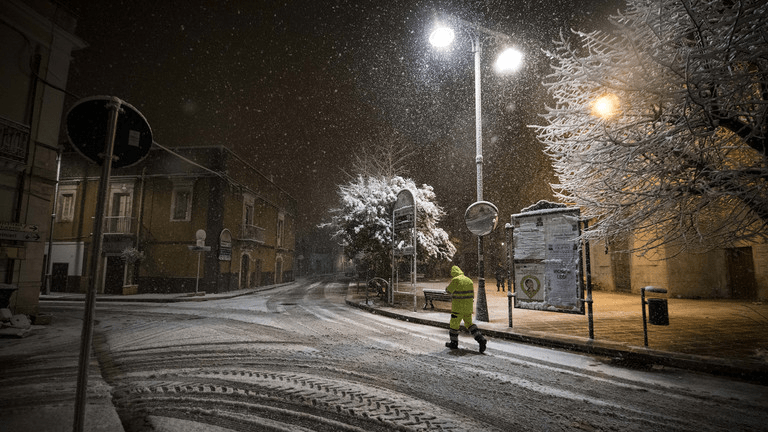
“Obviously, while US arms dealers and grain merchants have been cashing in on the Ukraine crisis, US energy companies have not been left behind. As a result, the public across Europe faces soaring electricity prices, lower heating temperatures and even prescheduled blackouts,” said Zhao.
According to industry statistics, the current import price of natural gas in Europe has increased by over 200 percent from a year earlier.
One of the examples is the Rose and Crown, an award-winning British pub, which on Sunday posted an energy bill on its Twitter account, showing that its annual electricity bill is 61,667.94 pounds ($71,243), or 97.05 pounds per kilowatt-hour. The price in May was 15 pounds per kilowatt-hour, which means an increase of 547 percent.
……………………….
US ‘throws under the bus’ the citizens’ welfare and the economies of European countries
19 Aug, 2022 11:29 HomeRussia & FSU
Washington has harmed the bloc to serve its own interests, a top Putin ally has warned
“Gas in the US costs $333 per 1,000 cubic meters.. Washington sells it to Europe for a price which is 7.3 [times] higher”. (jumping today Aug 19 by another 7% to above $2,600)
/Beppe Gasparro
The United States has doomed the EU to hunger, cold and isolation by pressuring the bloc to cut its ties with Moscow, Russian State Duma Speaker Vyacheslav Volodin said on Friday.
Continue reading “US Billionaires win big in Ukraine with Arms, Gas and Oil Bonanza..’throw citizens welfare ‘under the bus’”