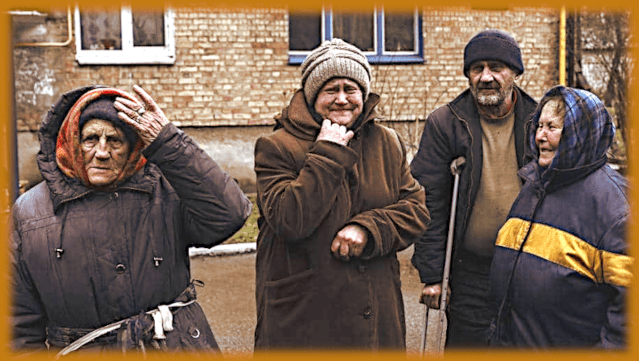
By: Managing Editor – Syrian Democratic Times
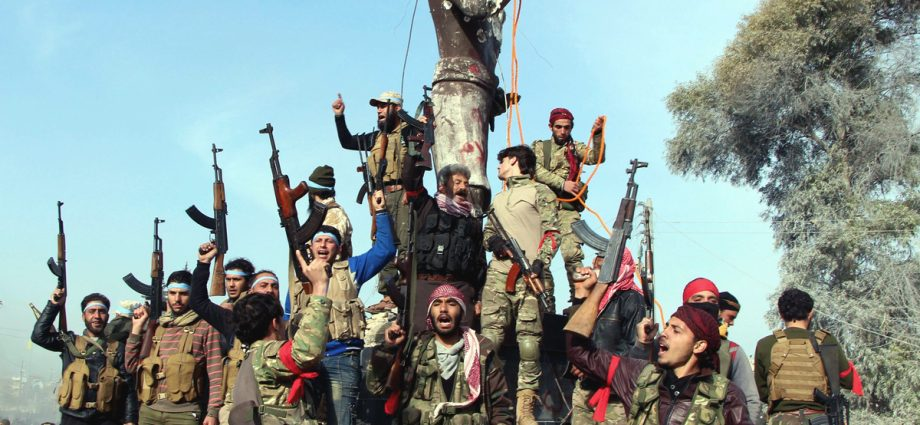
Why aren’t there more news media reports about the situation in Afrin? Turkey does not allow reporters into the Afrin region, unless they are strictly managed and do not stray from their official Turkish handlers.
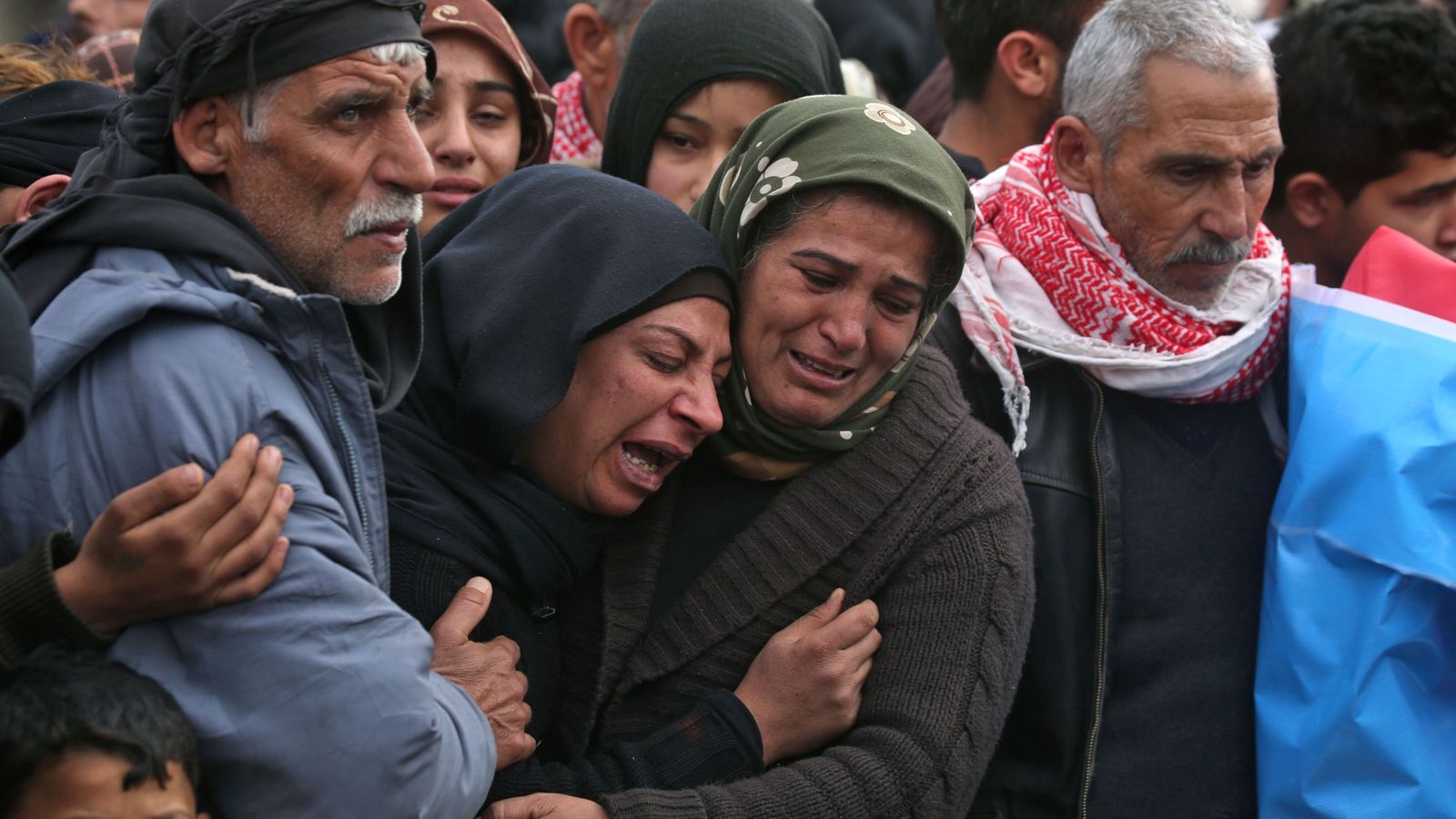
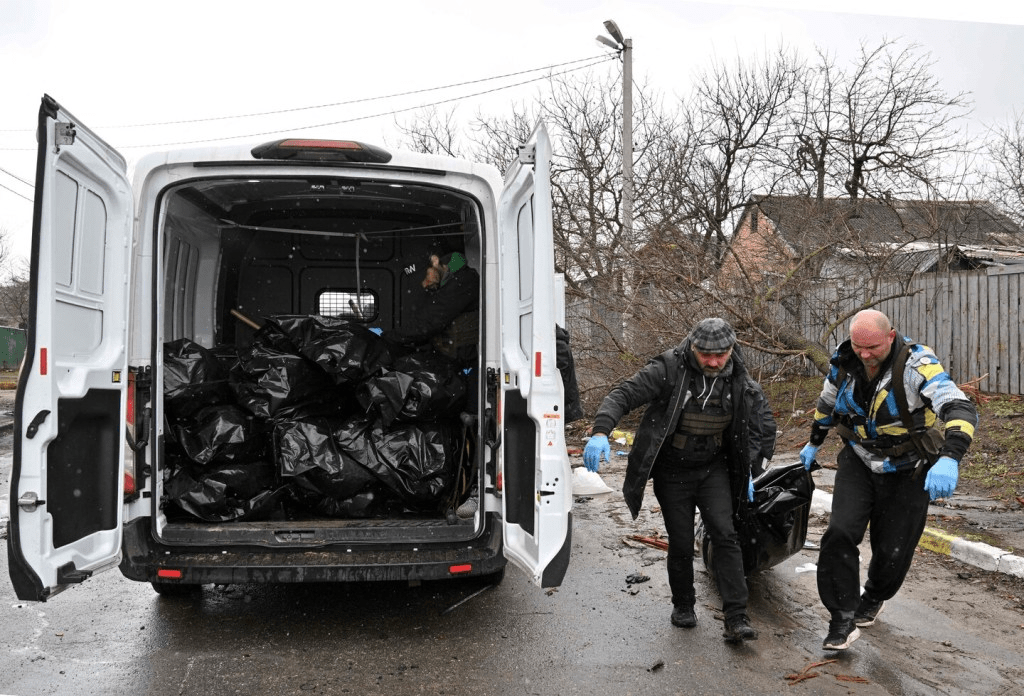
Ethnic cleansing was the goal of the Turkish invasion,. Turkey has waged a long-term war against ethnic Kurds, and the invasion of Afrin was part of that campaign. Prior to the invasion, the inhabitants of the region identifying as Kurdish was over 95 percent. Today, that number is less than 20 percent, according to the Human Rights Organization of Afrin. The Kurds who remain are subject to harassment and brutality at the hands of the Turkish authorities and the Turkish-backed militia members.
#TurkeyOutOfEfrîn

In early 2018, the Turkish military invaded Afrin. The Syrian Democratic Forces (SDF) came to the defense of the people there in a fierce and bloody struggle, but the region fell to the advanced weaponry and air power of the Turkish military on March 18, 2018. The Turkish government now occupies the region, flying the Turkish flag and changing signs and placenames to the Turkish language, forcing schoolchildren to learn Turkish, and pasting Turkish President Erdogan’s picture in public places – patrolled by Turkish-backed militias calling themselves the “Syrian National Army.”
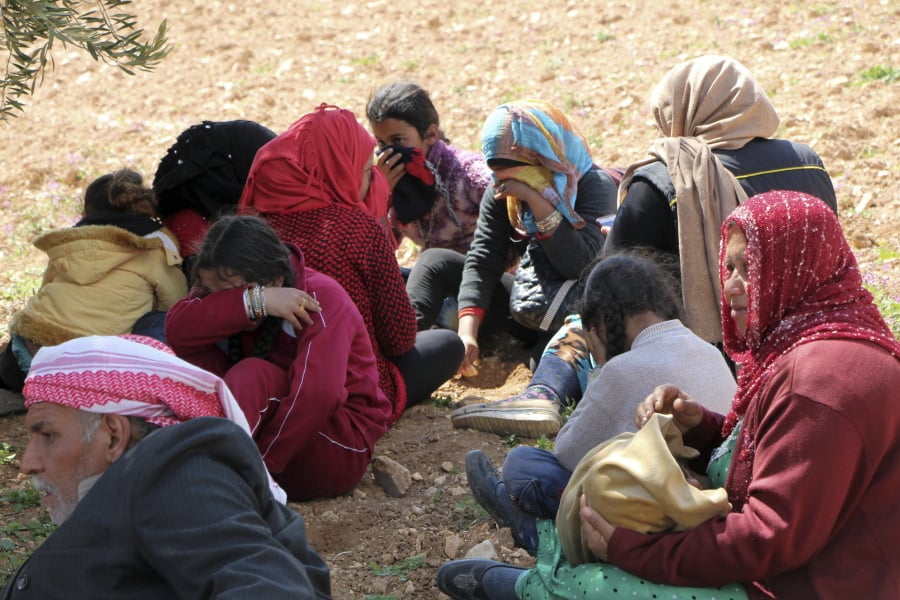
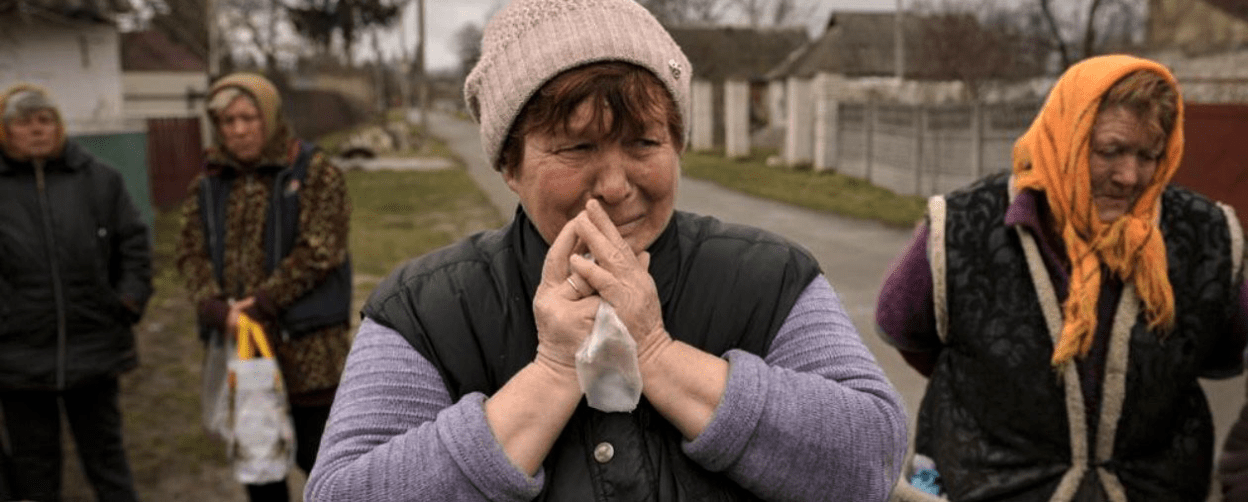
More than 300,000 people have fled the region of Afrin, Syria, since March 2018. Most are living as internally-displaced persons (IDPs) elsewhere in Syria. About 20 percent have been able to return to check on their homes. They have found that the homes have been looted of electronics, furniture, decorations, and anything of value. In many cases, the homes have been sold or otherwise appropriated by the occupying militia members.
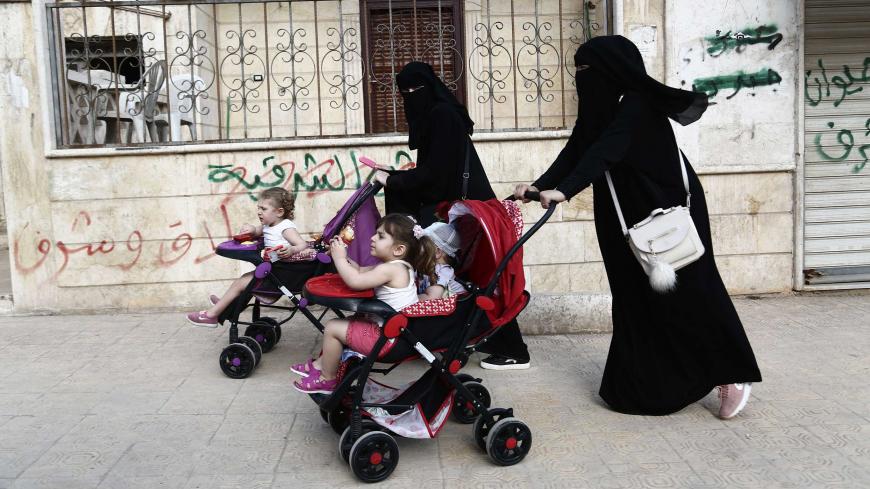
One of the untold stories of Afrin is the resettlements efforts, led by the Turkish overseers and Turkish-backed militias. There have been about 400,000 people resettled into Afrin in the past four years who are not the original inhabitants. Many of these are the families of the militias who are patrolling the region, but they also include other people that Turkey didn’t want. It includes migrants from other parts of Syria who fled from Assad-government-controlled areas, such as Ghouta. It also includes 500 families of Palestinian origin who had been living in Syria.
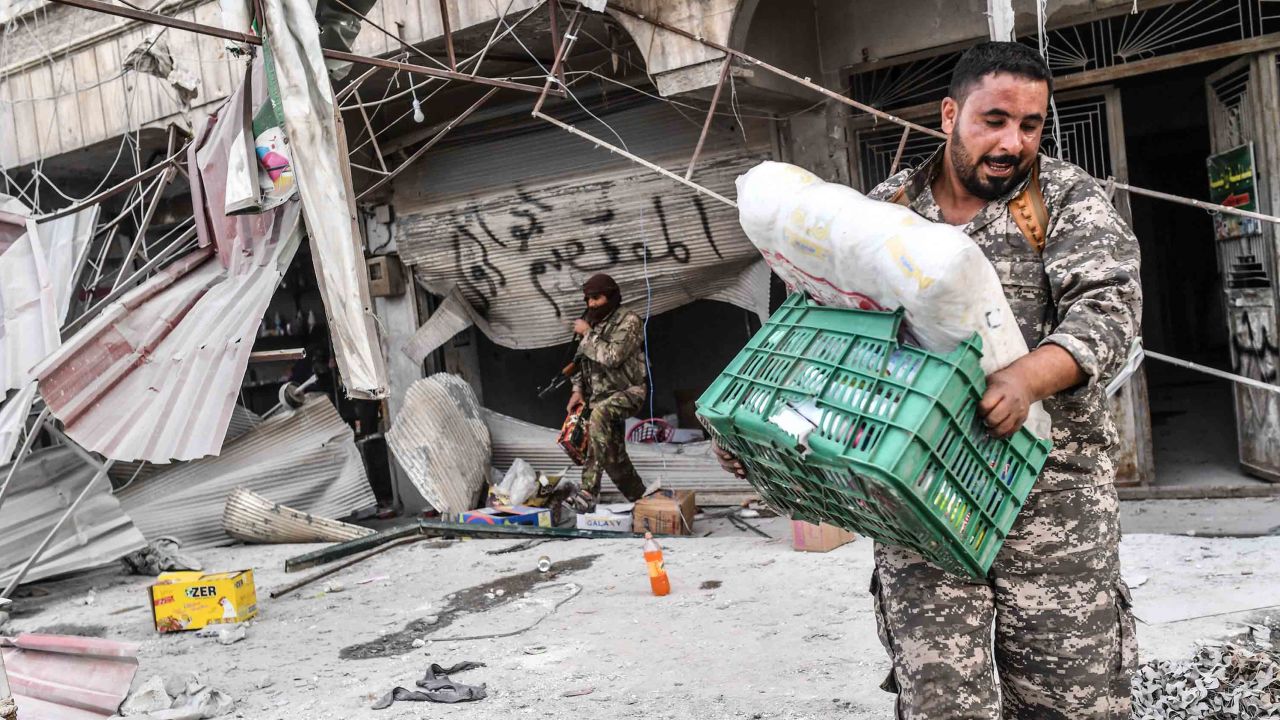
The theft of anything of value continues in Afrin. More than 50 separate militias are operating in Afrin. Their income over the past four years has come from the theft and reselling of goods from abandoned stores, anything of value they can find in homes, the agricultural goods they can appropriate, the equipment from factories and places of business, and the abduction and ransom of the people themselves. Lately, a militia group was also found to be producing and selling the narcotic captagon in order to pay its members and fund its operations.
Continue reading “Photo essay- Genocide Ignored: ‘Four Years of Turkish Occupation of Afrin’”