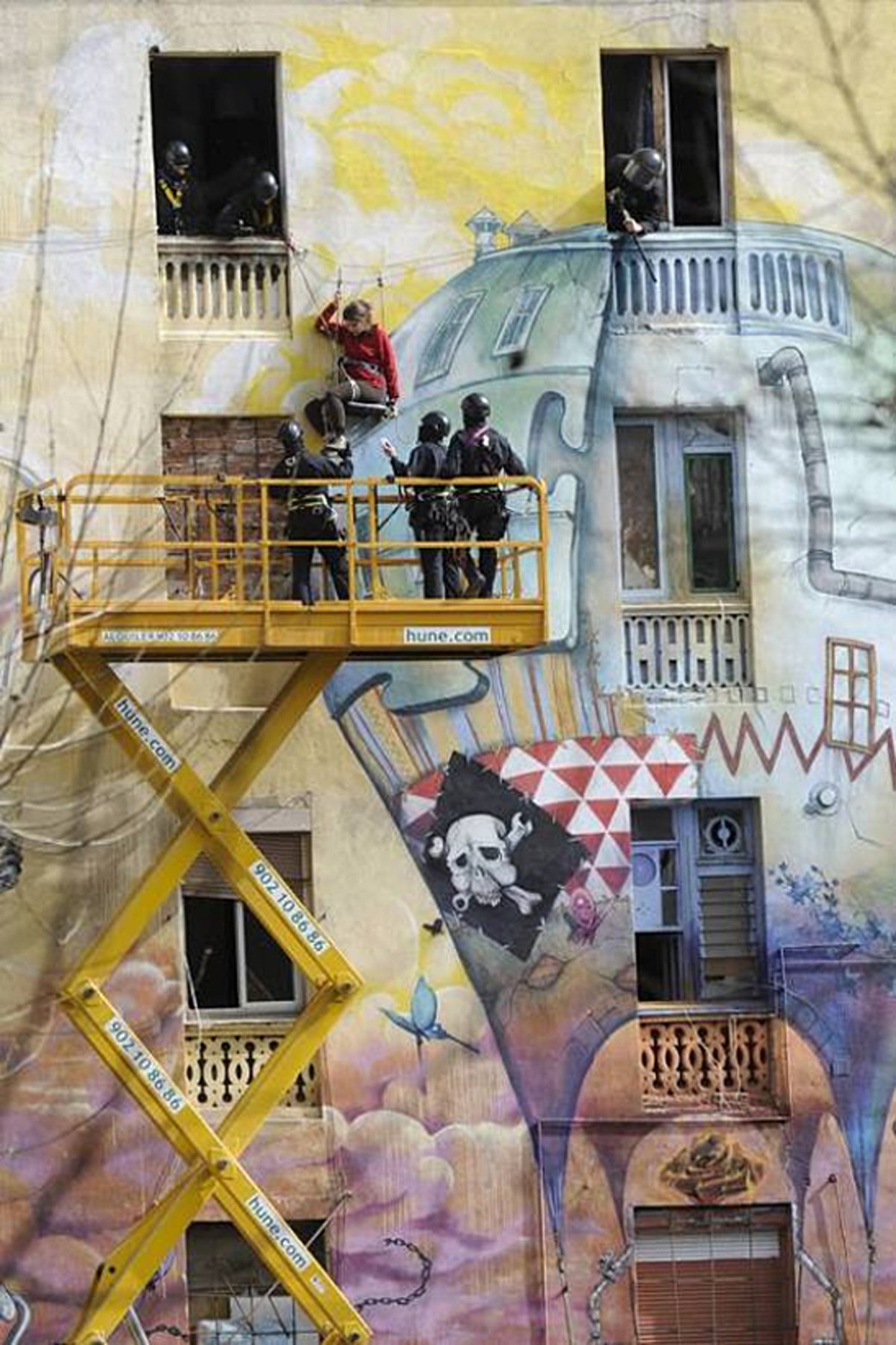
English translation .llegiu en català #ManiOkupa .Squat Demo December 1 Demonstration for Occupation
On Saturday, December 1, we take to the streets in defense of Occupation.In the face of repression and the wave of evictions we do not retreat, on the contrary, we take a step forward.
Saturday December 1 .. All on the streets! No eviction without response.
Spread the word and Act!
The occupation of abandoned sites for self-management of our lives has been a reality for more than two decades in Barcelona.
This was our response to the need for social spaces and the lack of accessible housing in the cities. In the last year, and like other times, we are experiencing a wave of repression of our projects: ccupied Social Centers such as La Clandestina, REA, Ateneu la Pua … and homes such as Ca La Trava, Kubo, Kantonada, Montmany 3 … have been evicted.
“Every woman in this country has a hundred owners. It’s always been like that. Fathers, brothers, uncles, neighbours. They all believe they have the right to speak on our behalf and make decisions for us. That’s why our stories are never heard but buried with us underground.” – Sahra Mani Mosawi, filmmaker
TRAILER
But what if the stories of Afghan women were heard? What if they succeeded in fighting the cultural, familial and legal forces that strive to keep them silent? And what if the words they spoke were a demand for justice?
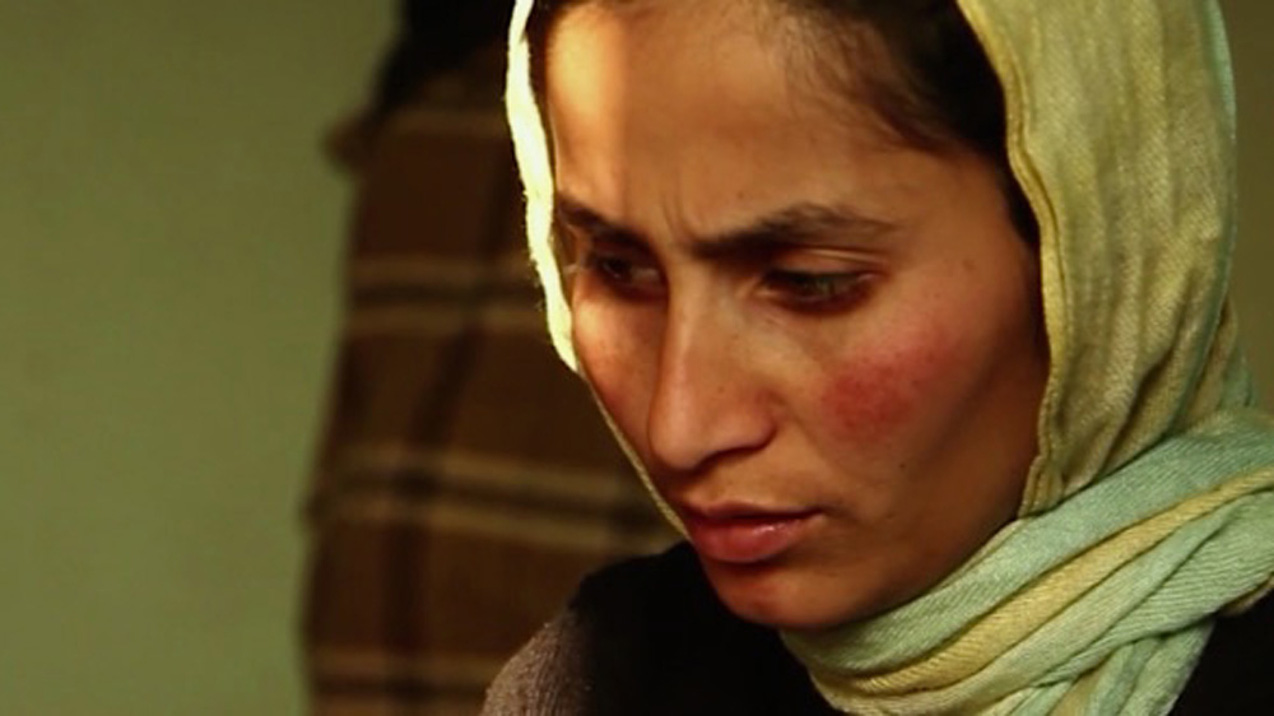
Twenty-three-year-old Khatera finds out when she goes on national television to accuse her father of physically and sexually abusing her.
For 13 years, he’d raped her, resulting in numerous pregnancies. Most of them had ended abruptly when he forced her to abort, but two were carried to term.
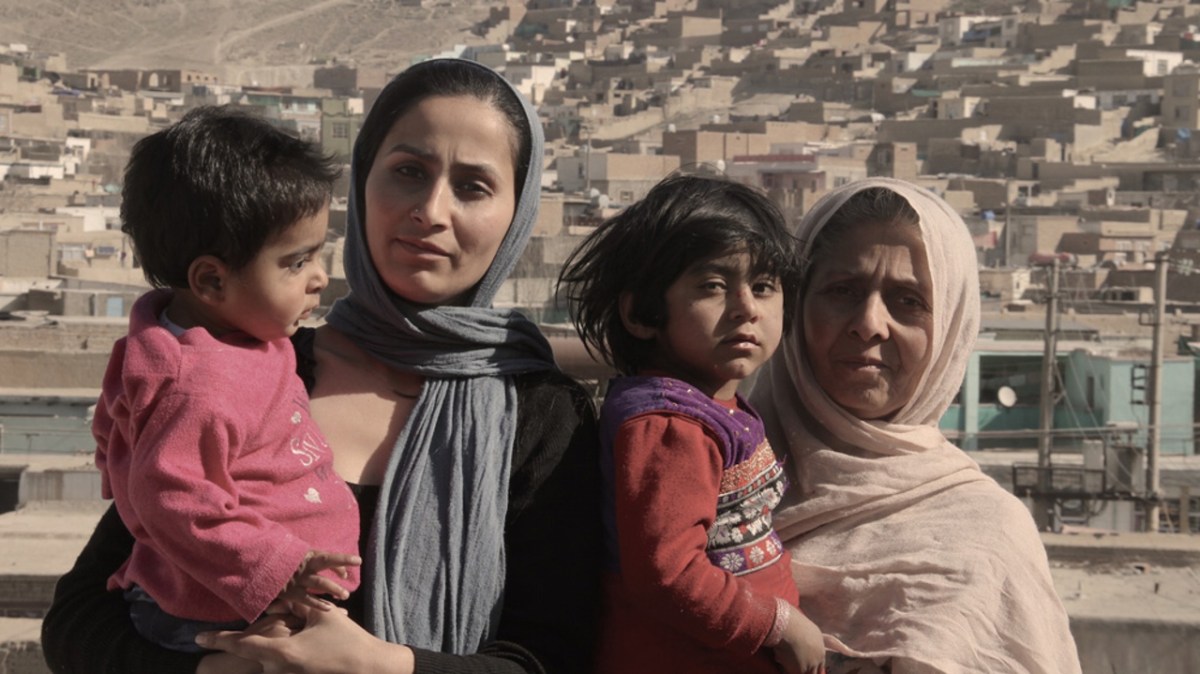
Khatera fears for the future of her daughter Zainab [Al Jazeera]
He took one of the babies into the desert, where he left it to die.
Khatera’s three-year-old daughter, Zainab, was spared that fate. But, once again pregnant by her father, she fears for the future of her daughter and unborn child if she cannot persuade the authorities to press charges against him.
It isn’t the first time she has tried. The television show is a desperate attempt that she knows could have severe consequences in a country where the judicial system often incriminates the very women seeking its protection.
But being prosecuted for “moral crimes” isn’t the only risk she faces in speaking out.
Khatera’s uncles believe she has brought shame upon the family and that the solution lies in her death and the death of her daughter.
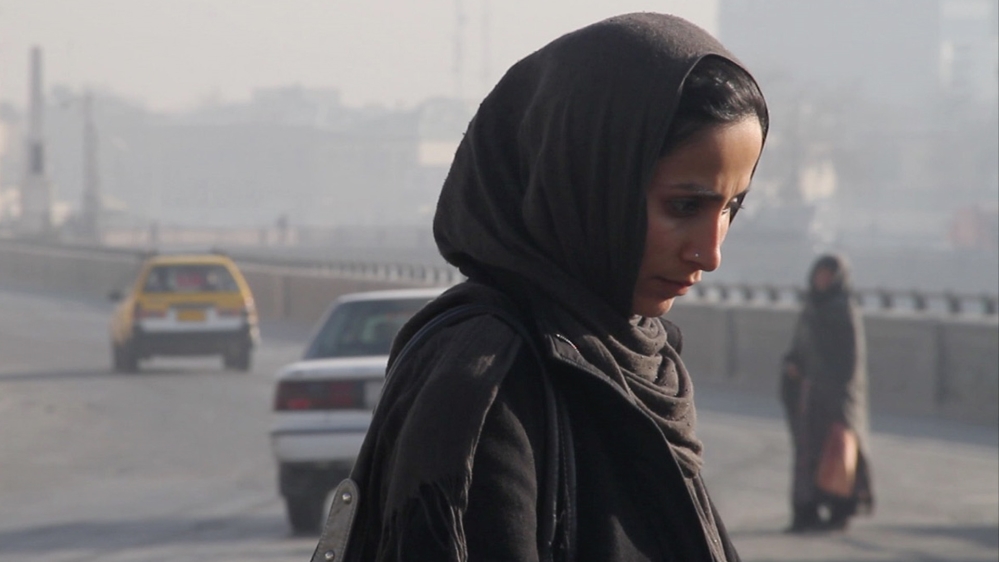
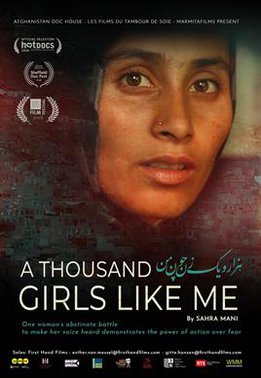
In the award-winning A Thousand Girls like Me, Afghan filmmaker Sahra Mani Mosawi follows Khatera as she lives in hiding, moving from house to house whenever she fears her identity might have been exposed or that her uncles might be closing in on her.
But, despite the fear, the danger and the uncertainty, she is determined to bring her father to justice, to protect herself and her children and to set an example for all other girls like her.
FILMMAKER’S VIEW
By Sahra Mani Mosawi
I am part of a society that has the highest rates of domestic violence and gender inequality in the world. I can see it. I can feel it. And I can expose it in a way that others can’t.
What’s important to me is to not only focus on the suffering but on how that suffering can be a rallying cry; how we, as women, are fighting for change.
I make films to give hope to the women of my country and to give guidance to those who want to know my country better. I make films to help build a safe society for the next generation and to record our journey to that point.
Nearly every day in Afghanistan there are stories about the rape and murder of women. Some cases are covered by the media but many remain unknown.
A Thousand Girls like Me highlights the need to make the “unknown” cases known.
Khatera lives with her mother and kids in safe houses [Al Jazeera]
The Afghan legal system today is complex, confusing and corrupt. The formal state justice system is still under construction and operates only in those urban areas where there is less instability and better security – but there are fewer and fewer of those.
For three years, I was given unreserved access to the most private parts of Khatera’s life and that of her family – for up to three days a week, often until late at night. The only way I could achieve this was by shooting and recording sound myself.
On the one hand, Kathera and her mother doing household chores shows their determination, for the sake of the children and also themselves, to keep things as normal as they can. But, on the other, we can hear through their voices the extraordinary – the monstrosity of the crime that binds them together.
Gradually, Khatera, her mother and her daughter started to forget that I was even there. Through their everyday talks, their more intimate conversations and even their silences, we get an insight into the complex bond between the three of them.
Being constantly there allowed me to just let them be. I didn’t ask questions. I didn’t stage reality. My “cinema direct” let the narrative strength of real life take its own path. I shot long takes, in medium shots, which allowed me to keep my characters’ surroundings as a constant reference in the frame, so as to never forget how deeply rooted in Afghan society these women are.
By “erasing” my presence and getting rid of all the usual shooting tricks, I had one: focusing on the most important thing – the words of these women and the message they convey, thus making it even stronger.
There were risks in shooting this documentary – for Khatera, for her mother, for her children and also for my crew and me. Danger could lurk anywhere – from within Khatera’s family but also from others who view women like Khatera as the devil incarnate.
Shooting in public places, therefore, had to be done with a great sense of urgency. This helped the film, by allowing us to show just how critical it is that Khatera gets justice and how determined she is, despite the danger to her life.
“Every woman in this country has a hundred owners. It’s always been like that. Fathers, brothers, uncles, neighbours,” says Sahra Mani Mosawi, filmmaker [Al Jazeera]
I was granted exceptional permission to record sound during the trial of Khatera’s father, Halim, which allowed us to hear his voice. But the film is about the consequences of his deeds, so I didn’t want to show his image. He is a character in the background, a shadow over my tale. Apart from his voice, his portrait is drawn from the testimony of the three female characters.
The scenes shot in public places offer a startling visual but also a symbolic contrast with those shot in the privacy of Khatera’s home.
The chaos of an overcrowded Kabul, the media attention generated by the trial, the malevolent stares of men watching one woman film another woman, the invisible but constant threat of family retaliation that forces Khatera to relocate with utter discretion – all these sequences that were shot with the required speed give way to the seeming quietness of Khatera’s home, where time passes more slowly. In these moments, my shots were longer and more composed.
Being able to shoot their daily routines revealed another contrast – between the normal and the abnormal.
On the one hand, Kathera and her mother doing household chores shows their determination, for the sake of the children and also themselves, to keep things as normal as they can. But, on the other, we can hear through their voices the extraordinary – the monstrosity of the crime that binds them together.
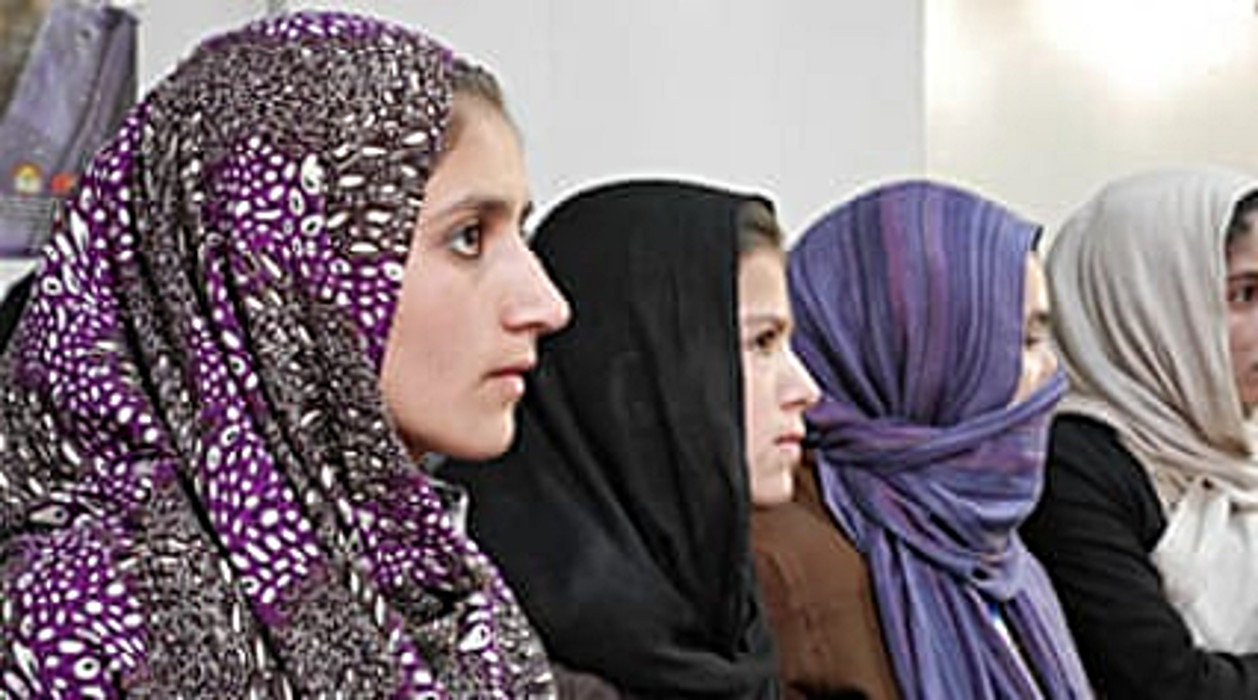
I was given the opportunity to watch German director Helen Simon’s documentary No Lullaby (Nirgendland). This film also tells the tragic tale of repeated incestuous rapes through two generations of women. I feel a strong connection with the director’s approach to the issue. The emotion created by Simon’s description of these harsh facts is emphasised by her own neutral stance and her use of daily life sequences as soothing intermissions.
The court of ‘La Manada’ did not believe a woman who reported that her partner raped her Spanish / English
He got just 10 months, though even the Defence asked for 2 years, for beating and stabbing her. But they acquitted him for rape because she ‘didn’t struggle enough’. This despite the fact that the prosecution requested ten years in prison and had a previous conviction for raping another woman.
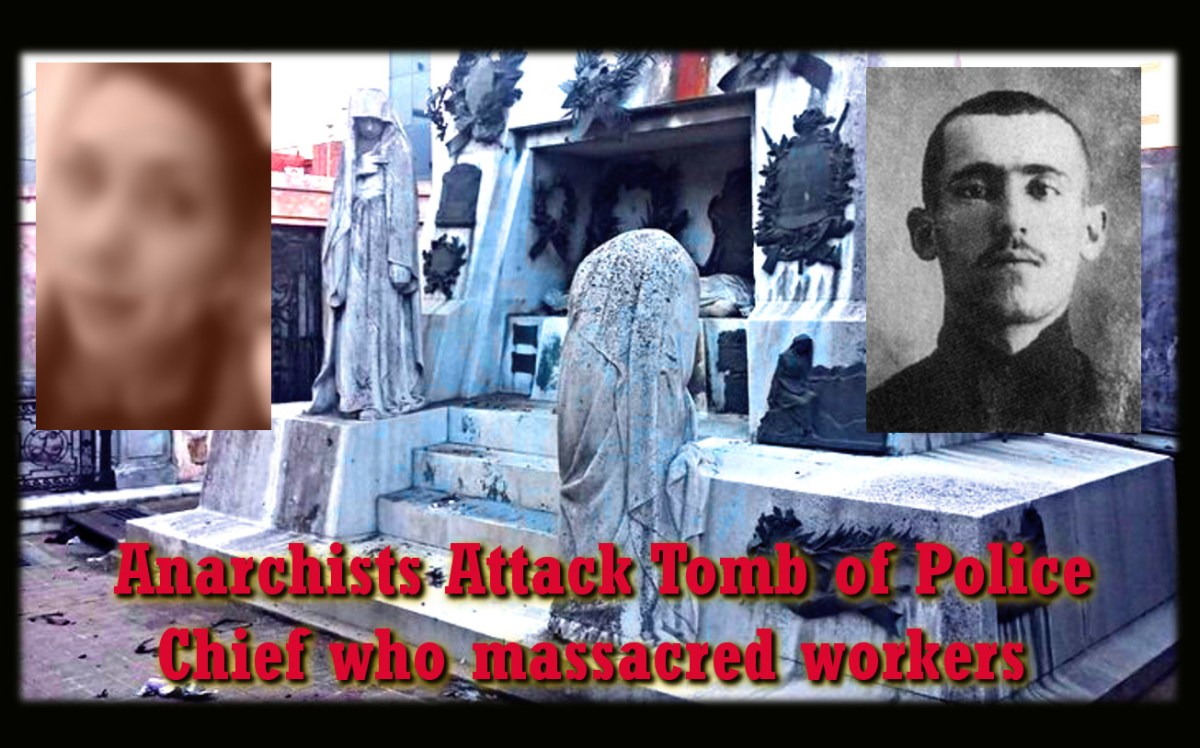
On November 14, an explosive device detonated inside the Recoleta Cemetery, near the tomb of the miserable Colonel Falcon, military chief responsible for the massacres of workers at the beginning of the century and happily executed by the anarchist comrade Simon Radowitzky.
As a result of the detonation two people were arrested at the scene, one of them is seriously wounded (mainly wounds on the hands and face) after – allegedly – the mechanism was detonated too soon. In the place a metal plate was found by way of vindication, where it was read: “Simon lives in the Hearts of all the Uprisen”
One of the plaques found in the Cemetery of Recoleta, after the attack on the tomb of Ramón Falcón,the fanatical police chief who led the extreme repression and mass murder of protesting workers, next to a sign that says “Simón Lives! In the hearts of All The Uprisen”, in reference to Simón Radowitzky, the 18 year old anarchist militant who assassinated Falcon in 1909.
At the same time another comrade is arrested around 7:00 pm, after allegedly throwing an explosive device against the house of Federal Judge Claudio Bonadio, after being intercepted by the magistrate’s guards.
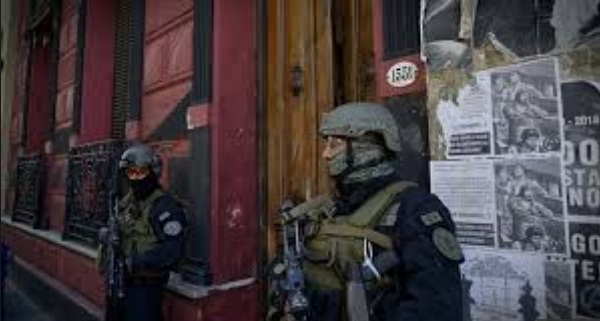
After these three arrests, the police and the press have immediately indicated the anarchist link, unleashing a hunt and massive raids against different spaces. The information from the compañerxs of that territory arrives fragmented, and several raids have continued even during these days.
Later on 10 more people were arrested in a police raid on the house where the second comrade had been living. The police claimed to have found fireworks and powder
The press – of the left and the right – has not stopped daily intoxicating this case, with stories and rumors, using what happened to feed their own interests.
Let us remember that for a long time the comrades have been accused by infiltrators of the intelligence services or by provocateurs, both after the assassination and disappearance of comrade Santiago Maldonado, and now on the eve of the new summit of the G20 in Buenos Aires. .
Who is the woman injured putting the bomb on Ramón Falcón’s mausoleum…
She is ‘AAAA’ (the bourgeois press publish names of the defendants), a 33 years old anarchist. She suffered severe burns, lost three fingers, and was in a coma with breathing assistance 2 days after the attack.
‘AAAA’ shares feminist posts criticizing patriarchy and “anarcho machos”.
She shared the invitation to the anarchist film festival, appeals for abandoned animals and a series of talks and workshops on “self-defense and combat”, “natural gynecology” and “veganism and anarchism” etc.
Why did they do it?
Nov 14 is the anniversary of the killing of Ramón Falcón,the fanatical police chief who led the extreme repression and mass murder of protesting workers way back in 1909. (See Wikipedia report below) The attack is part of an ongoing anarchist workers struggle against the rapacious bosses and police and state repression.
Today, November 15, around noon, the Constitution Anarchist Athenaeum was raided.Our presence guaranteed that the integrity of the premises is preserved.Momentarily it will be closed.
We thank the neighbors and partners for their support and affection.
A big hug to everyone.
Health and Anarchy. »
[Final note of El Libertario: Those who are not aware, we inform you that the premises raided is a historic site of Argentine anarchism and there is located the most important Library-Archive in Latin America in what corresponds to anarchist documentation of all kinds.From here we express our full solidarity and support to the people of the Athenaeum now facing this repressive onslaught.]
Red Week (Semana Roja)Argentina)
Fierce Struggle of the anarchist union FORA (beginning early twentieth century).
The repressive events that began during the commemoration of the International Workers Day in the Plaza Lorea of Buenos Aires in 1909 in which dozens of people were killed or injured by the police are known as the red week. The police, commanded by Ramón L. Falcón fired indiscriminately against the crowd when it was dispersing, and against the general strike that occurred as a result of the massacre and that was the most successful until that time.1After a few months, with the deadly attack committed by the anarchist militant Simón Radowitzky against the police chief Ramón Lorenzo Falcón (popular justice, according to the libertarian discourse), 2 new repressive events were begun.3
According to testimonies of the time, once finished the speech of an anarchist speaker before an audience of approximately 1500 people (men, women and children), Ramón L. Falcón, who was present next to his police gave the order.
The crowd, which was already dispersing , was attacked by several volleys of rifle fire by a battalion of a hundred uniformed police on horseback. The shooting lasted several minutes, until finally the Avenida de Mayo was clear of the public, which had fled through the side streets. The attack left 80 wounded and 14 dead….3
In the following days, Ramón Falcón ordered the closure of the union premises and the arrest of 16 anarchist leaders of the demonstration.4 Also, from the communication systems that depended on the security forces, the version began to be disseminated… That the events of May 1 were due to a “Russian-Jewish plot” .4
The workers response
Immediately after the massacre, the anarchist union FORA, which had organized the event, called the general strike during a rally in front of the Casa Rosada.5
At that time, the two trade union confederations, the anarchist and the socialist UGT, had decided to undertake the actions jointly.1 The strike lasted a week and was repressed by the military.5 Despite this, it had a national reach, 1 and for several days the city of Buenos Aires was emptied of both homeless people and transportation services.3
As a result of the rapid response and union of the two major trade union centers, the government established a State of Siege, which was maintained until the following year, 6 as well as signing numerous decrees to expel fpreigners from the country.7
May 4th
There was a massive demonstration for the burial of the dead on May 1; Between 50,000 and 80,000 people gathered in front of the morgue. The delegation requested the delivery of the corpses, a request that was ignored and that caused a new confrontation between the workers and the uniformed police.1
May 7th
This day there was the explosion of a bomb on a tram.1
May 9
After intense negotiations with the government of José Figueroa Alcorta – through the provisional vice president – 8 the general strike was lifted. Some requests of the unions were accepted, among them the request for the release of the detainees from May 1, although not all.
No person responsible or executor of the massacre ever had to answer judicially for their actions.1 This fact was used by the anarchists to justify the assassination of the police chief Ramón Falcón.
Aftermath Attack on Falcon
On November 15 of that year, an anarchist militant, Simon Radowitzky, who was a minor when he committed the attack, assassinated the commissar by successfully attacking him with a bomb at the intersection of Callao and Quintana avenues.3
He ended up being imprisoned and tortured in police facilities. During the trial, the prosecutor had requested the death penalty, but was finally sent to the Ushuaia prison.5
Monumento a Ramón Falcón
The assassination of Falcón produced a new wave of repression3 that was tainted by episodes of anti-Semitic and xenophobic violence, produced after the condemnatory decision; in addition to the looting and burning of various newspapers, libraries, and socialist and anarchist institutions, as well as institutions such as the Russian Library or the Poale Sion.
The workers’ demonstrations of the time, for their part, went out to shout slogans in favor of Radowitzky, like È morto Ramón Falcón massacratore; evviva Simón Radowitzky vindicatore.3 The anti-Radowitsky demonstrations, in the centennial of independence, chanted the slogan “¡fuera los Russos!” 5
Simon Radowitsky was under aged to be executed but served at least 25 years prison. He emerged
Monumento Ramon Falcon
unrepentant and fought in an anarchist brigade during the Spanish Revolution.
original en español
Semana Roja (Argentina)
La represión del 1 de mayo wikipedia
Según testimonios de la época, una vez acabado el discurso de un orador anarquista ante un público de aproximadamente 1500 personas (hombres, mujeres y niños), estando Ramón L. Falcón presente junto a su estado mayor, la multitud, que se estaba dispersando ya, fue atacada por varias cargas de fusilería por parte de un batallón de un centenar de uniformados a caballo. El tiroteo duró varios minutos, hasta que finalmente la Avenida de Mayo quedó despejada de público, el cual había huido por las calles laterales. El ataque dejó 80 heridos y 14 muertos.3
En los días siguientes, Ramón Falcón ordenó el cierre de los locales sindicales y el arresto de 16 cabecillas anarquistas de la manifestación.4 También, desde los sistemas de comunicación dependientes de las fuerzas de seguridad, se empezó a difundir la versión de que los hechos del 1 de mayo se debían a un “complot ruso–judaico“.4
La respuesta obrera
Inmediatamente después de la matanza, el sindicato anarquista FORA, que era el que había organizado el acto, llamó a la huelga general3 durante una concentración frente a la Casa Rosada.5 Ya en ese momento, las dos centrales sindicales, la anarquista y la socialistaUGT, habían decidido acometer las acciones conjuntamente.1 La huelga duró una semana y fue reprimida con militares.5 Pese a ello, tuvo alcance nacional,1 y durante varios días la ciudad de Buenos Aires se vació tanto de deambulantes como de servicios de transporte.3
Como resultado de la rápida respuesta y unión de las dos grandes centrales sindicales, el gobierno instauró el estado de sitio, que se mantuvo hasta el año siguiente,6 además de firmar numerosos decretos de expulsión del país de extranjeros.7
4 de mayo
Hubo una multitudinaria manifestación por el sepelio de los muertos del 1 de mayo; entre 50 000 y 80 000 personas se congregaron frente a la morgue. La comitiva solicitó la entrega de los cadáveres, petición que fue ignorada y que ocasionó un nuevo enfrentamiento entre los trabajadores y los uniformados.1
7 de mayo
Este día se produjo el estallido de una bomba en un tranvía.1
9 de mayo
Después de intensas negociaciones con el gobierno de José Figueroa Alcorta —a través del vicepresidente provisional—8 la huelga general fue levantada. Algunas peticiones de los sindicatos fueron aceptadas, entre ellas la petición de liberación de los detenidos el 1 de mayo, aunque no todas. Ningún responsable o ejecutor de la matanza tuvo que responder judicialmente por sus actos.1
El asesinato de Falcón produjo una nueva oleada represiva3 que se vio teñida por episodios de violencia antisemita y xenófoba, producidos después del fallo condenatorio; además del saqueo y quema de diversos periódicos, bibliotecas e instituciones socialistas y anarquistas, también instituciones como la Biblioteca Rusa o la Poale Sión.5
Las manifestaciones obreras de la época, por su parte, salieron a gritar consignas a favor de Radowitzky, como È morto Ramón Falcón massacratore; evviva Simón Radowitzky vindicatore.3 Las manifestaciones contrarias a Radowitsky, en el centenario de la independencia, se coreaba la consigna “¡fuera los rusos!”.5
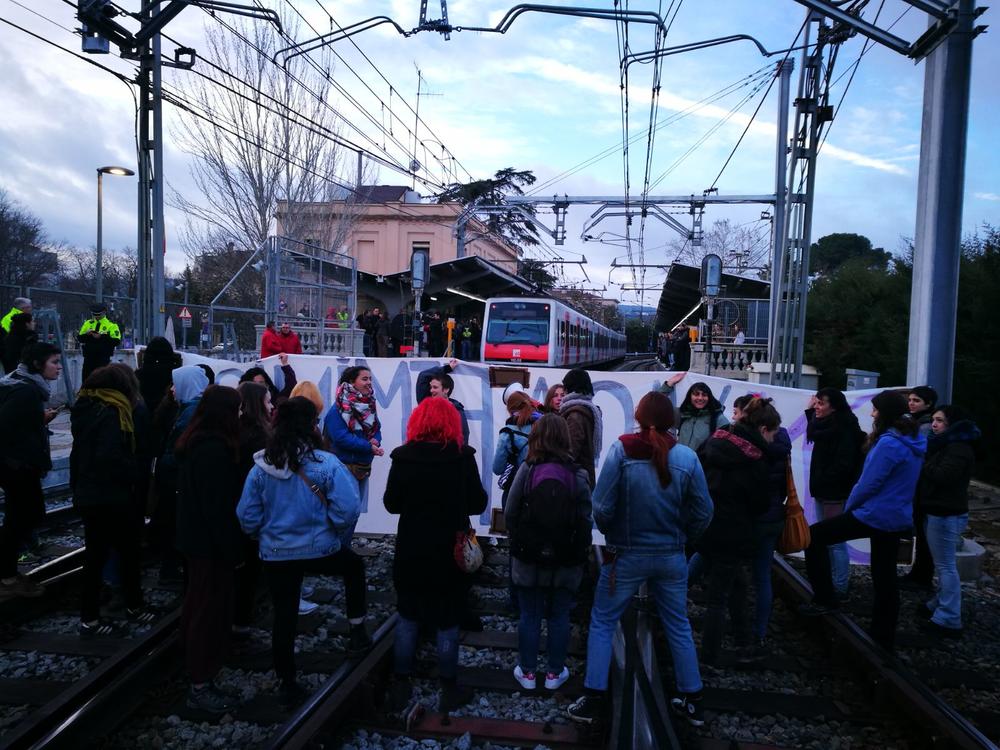
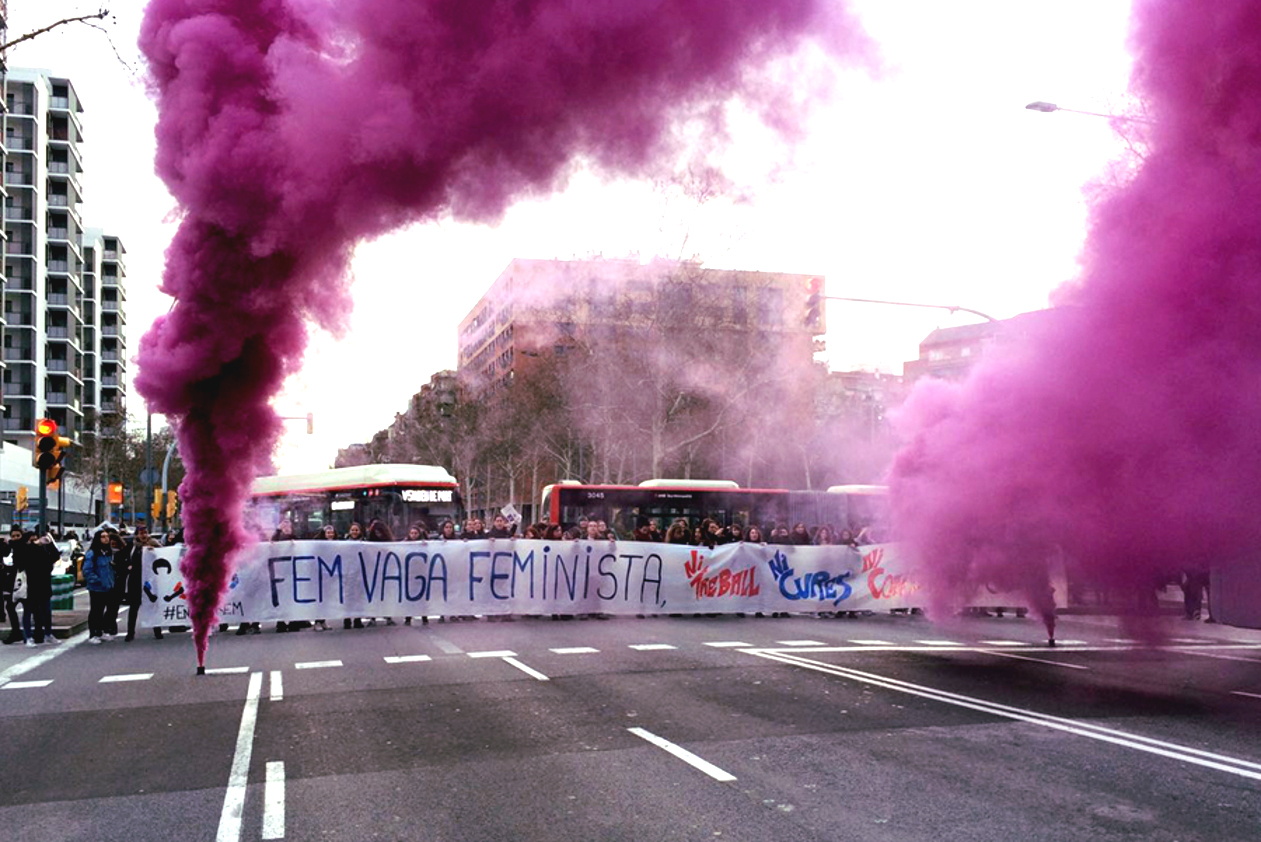
They ask for 26,000 euros from seven women for blocking the tracks in the 2018 Feminist General Strike
By Patricia Reguero El Salto Original in Castillian below The railway company of the Generalitat de Catalunya has appeared in the Summons of seven activists for blocking the tracks during the hugely successful feminist General Strike on March 8, 2018.
The campaign #8MilMotius (8000 reasons) puts in context the action in which about 30 women participated and asks for the case to be dropped.
Tall de la Gran Via durant la vaga feminista del 8 de març 2018 / Gemma Garcia
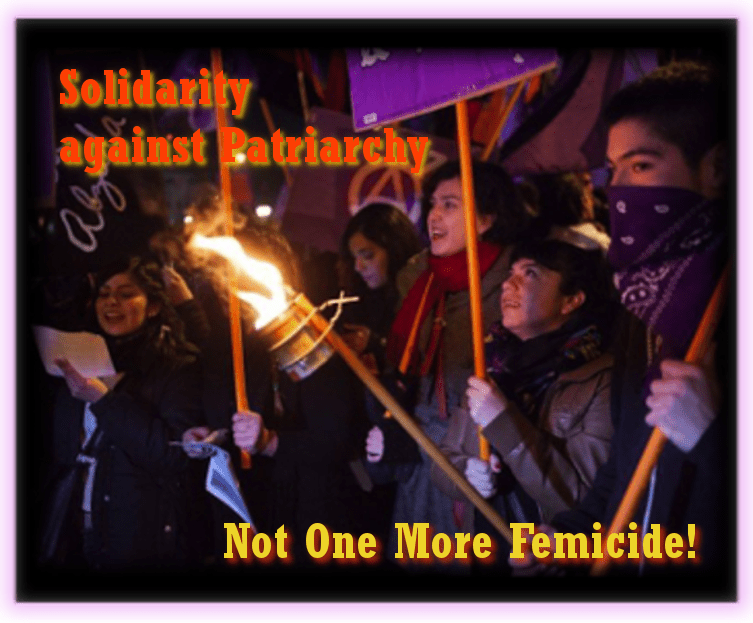
The action, in which some 30 women participated, was one of the many that the strike committee of Sant Cugat del Vallés (Barcelona) had scheduled for the feminist strike day. “Actions were organized, and one of them was the cutting of the railways, to symbolize the break made by a General Strike,” explains Anna Sala, one of seven women who are being investigated.Continue reading “Stop anti-feminist Repression! General Strike 8 March 2019!”
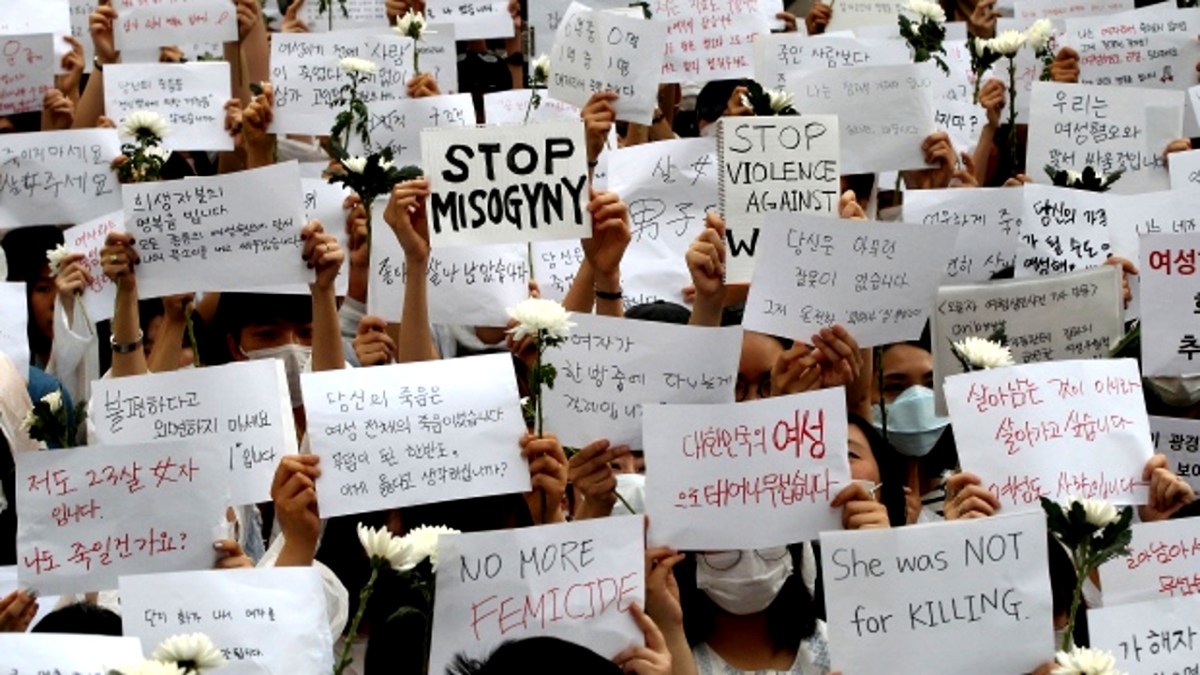
Journalists from around the world have been reporting on these large-scale women’s rights rallies, which have taken place almost every month since May. Chartered buses transport women from towns and cities all over the southern half of the Korean peninsula to attend. Continue reading “How Radical-Feminist Koreans confront Misogyny”
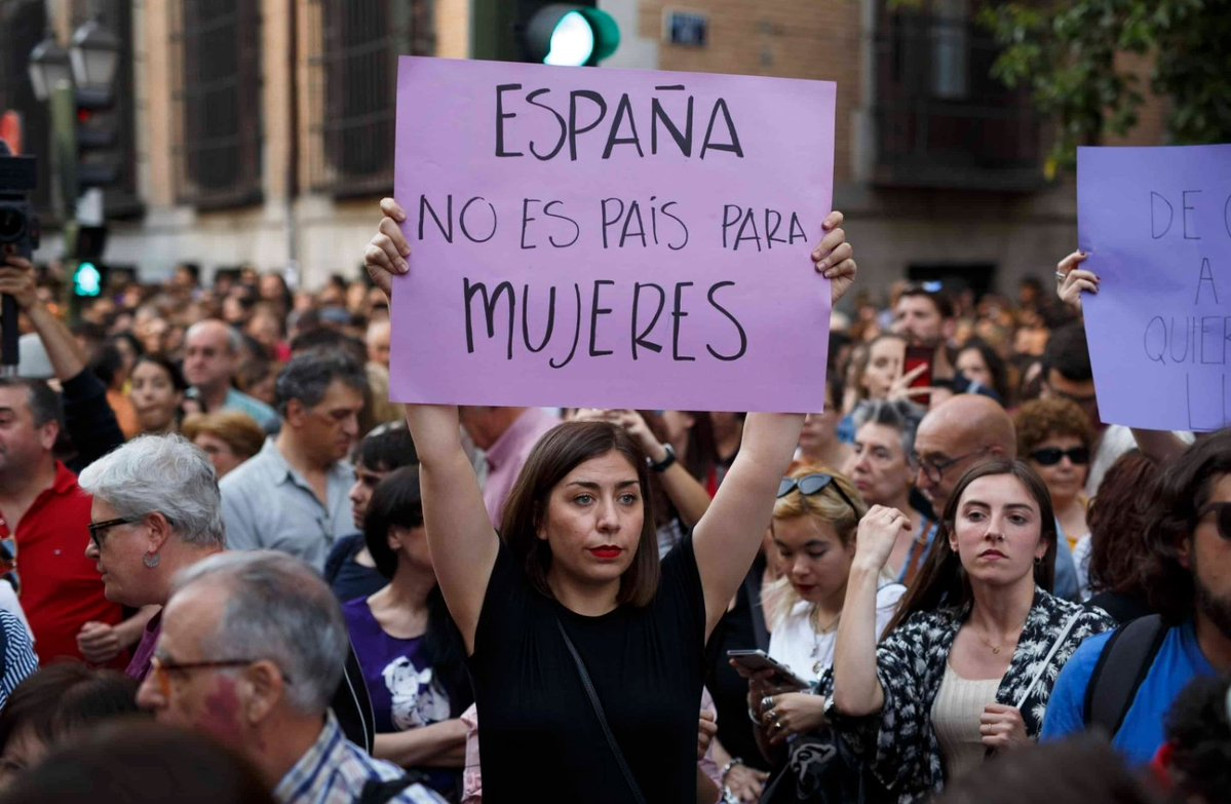
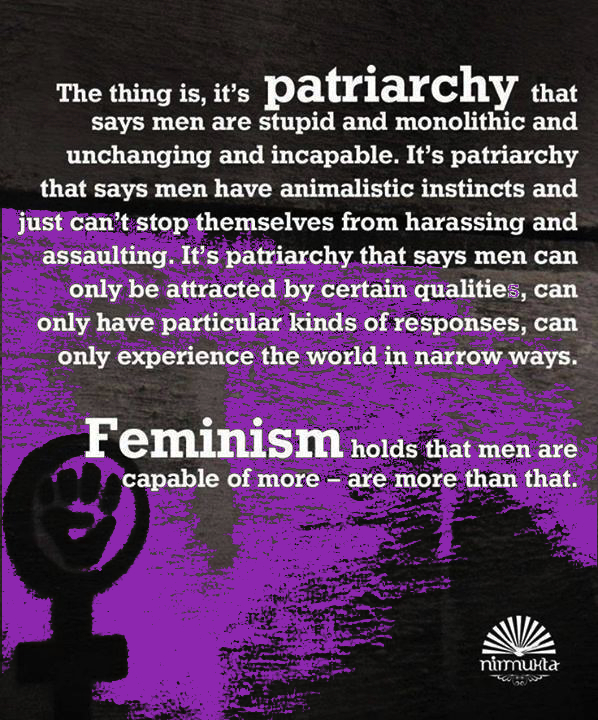
Here we translate one ofmany posts confronting ingrained patriarchy/ in Spanish society, published since the first ever hugely successful Women’s Work and Home General Strike in the Spanish State on 8th March 2018, and also relating to the outrage at the release of a group of gang rapists.. the ‘Manada’, and the various waves of feminist social revolution now sweeping the world.
‘In the law courts men are not usually framed in the profile of the abuser .. while women are often presumed to be liars. Women report abuse and lawsuits are filed, but without being investigated. The presumption of innocence is distorted and the legal guarantee is transformed into defenselessness.
Women have recently been conquering levels of equality and freedom (in Spain), but many men are watching us, skulking, full of resentment, and eager to put us back in the place they think is ours’.
So affirms Amelia Valcárcel: ‘ this contained anger usually exerts itself through subtle forms of violence, such as verbal, in the media, in relationships with us or when they are away from women in their professional, leisure or social environment’.
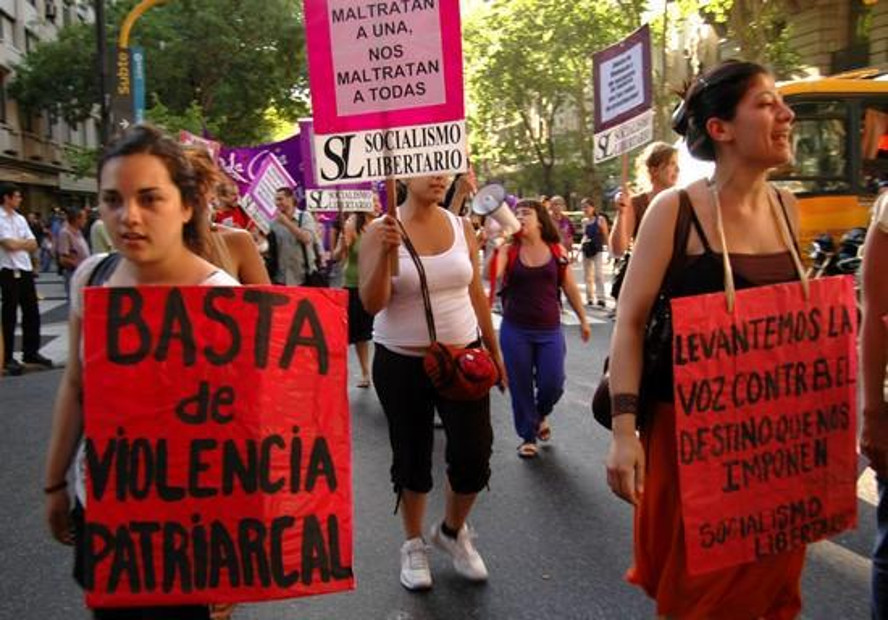
‘No More Patriarchal Violence’ .. ‘Abusing one of us they abuse us all’ .. ‘We cry out against our forced destiny’..
Although repressed, the patriarchal law is a hidden code that permeates every pore of our society. The threat of unleashed anger and exemplary punishment is always present.
When one of the members of the ‘herd’ commits a heinous crime the other members of the fraternity come out like vermin in their defense by invoking patriarchal norms.
In Castellón, Spain, a man killed his two daughters of 4 and 6 years old with a knife to take revenge on his ex-wife. The woman had asked for protection from the Law, but justice did not trust her.
She had requested protective measures in court, but the judge considered that the risk was low and dismissed the measures, noting that both parents were involved in a custody suit and that there were contradictions between the testimony of the man and the woman. .

 #ManiOkupa .Squat Demo December 1 Demonstration for Occupation
 lives has been a reality for more than two decades in Barcelona.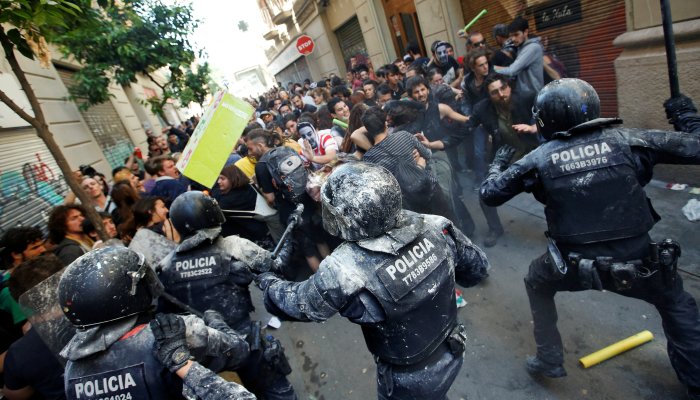

 and that the solution lies in her death and the death of her daughter.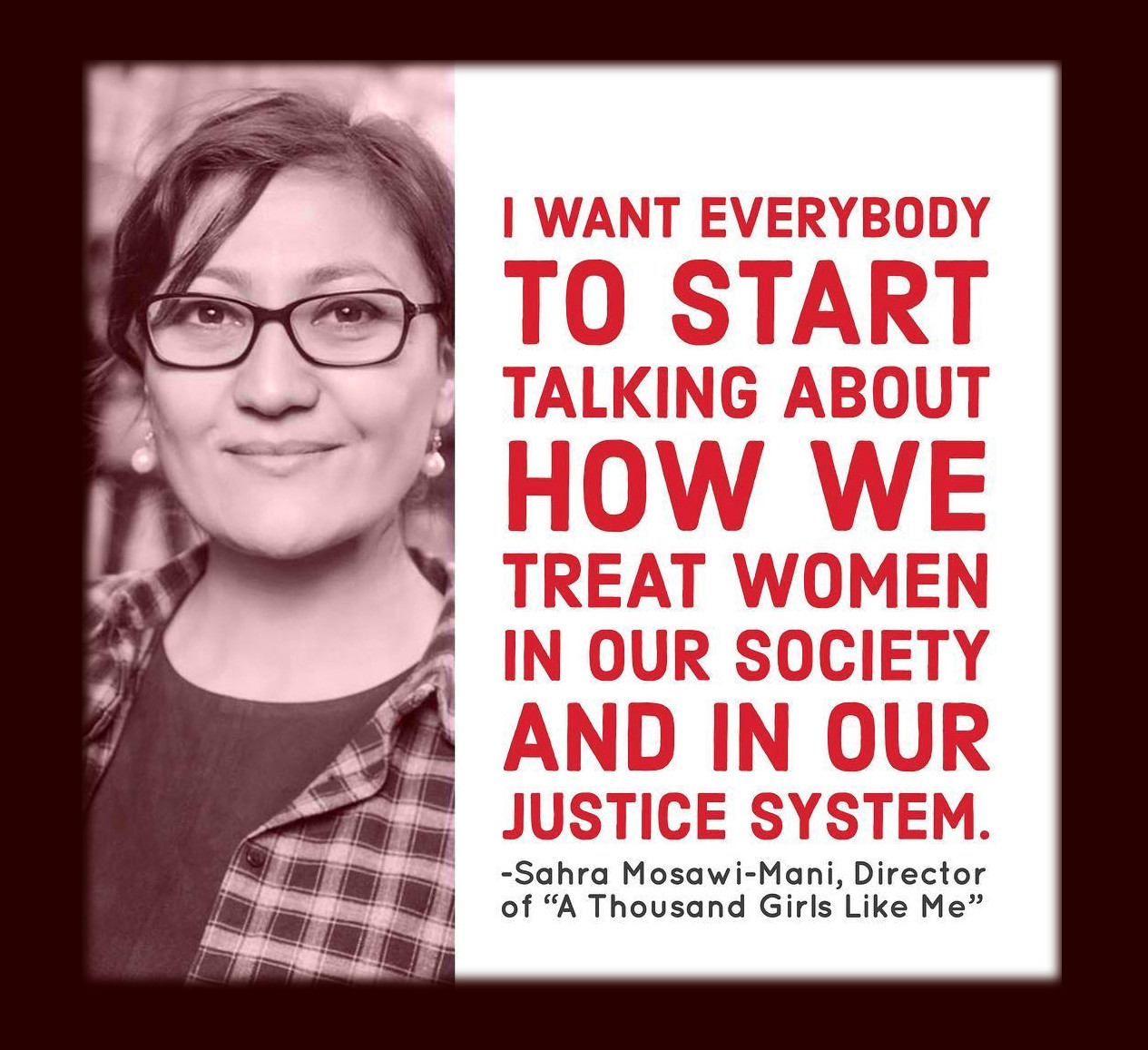

 Simon’s documentary No Lullaby (Nirgendland). This film also tells the tragic tale of repeated incestuous rapes through two generations of women. I feel a strong connection with the director’s approach to the issue. The emotion created by Simon’s description of these harsh facts is emphasised by her own neutral stance and her use of daily life sequences as soothing intermissions.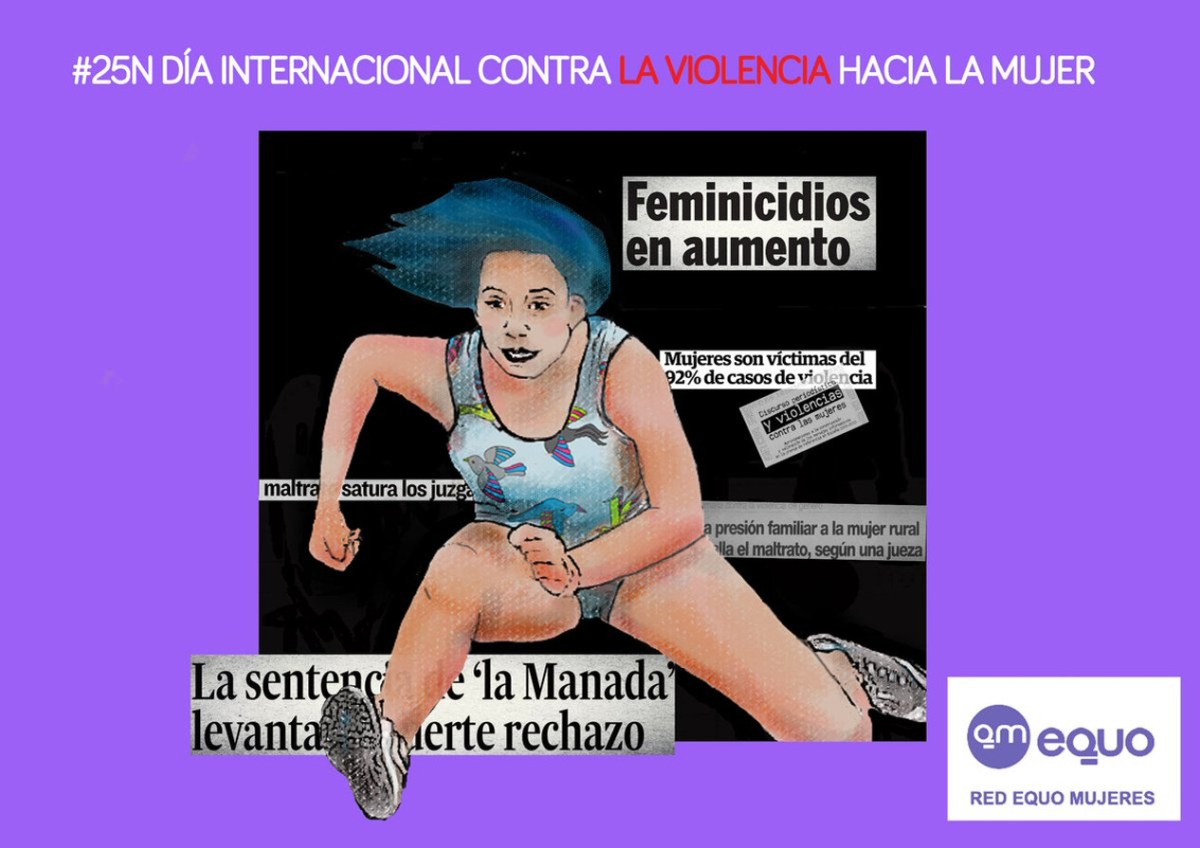




 The Free