What Comes After Capitalism?.. A Real Proposal

Earth’s
Cooperative ecosystem
for a fair economy

Faircoop Beginner guide

# What really moves us

FairCity02_May17okokA deep and comprehensive transformation of all parts of society, including its values and structure.

The new, self-managed society is based on autonomy and the abolition of all forms of domination: the state, capitalism, patriarchy, and all other forms that affect human relationships and with the natural environment.

Conscious and strategic actions are needed to compost the obsolescent structures and recover those values and qualities that enable us to live a life in common. As the most promising entry point for the collective change we see a new economic system.

This is giving people the opportunity to finally exit the vicious circle of capitalistic enslavement and its side effects, to find space for new ideas without boundaries and make possible the switch to a healthy life in balance with nature.

What is it?
  • https://fair-coin.org/ FairCoin is the first fairly distributed crypto currency.
  • 99.99% Proof-Of-Stake, rewarding savers and cooperation
  • All the coins were premined and fairly distributed to thousands from all over the world. Computing power not needed.
  • Backed by a strong, diverse and committed community.
  • Promotes prosperity and financial freedom with real value.
  • Working to become the coin of fair trade.

Continue reading “What Comes After Capitalism?.. A Real Proposal”

The Acorn – 47

winter oak's avatarwinter oak

acornmastheadnew1

Number 47

In this issue:

  1. Yellow voices
  2. Defending nature means fighting capitalism
  3. Zombie archaeology
  4. Everybody expected the Neoliberal Inquisition
  5. Tall tale of “eco-terrorism”
  6. Acorninfo

1. Yellow voices

voices14The Gilets Jaunes, or Yellow Vests, movement in France is the most important political phenomenon to emerge in Western Europe so far this century. It has smashed through the barriers of political stagnancy and sterility which so often disempower and stifle spontaneous expressions of popular discontent.

The yellow banner of revolt has rallied parts of the population previously unreached by political organising and the relentless determination of hundreds of thousands of men and women has shaken the citadels of neoliberal power to the core. As well as the rubber bullets, grenades, water cannon and tear gas deployed by the French state against the uprising, another major weapon against the Gilets Jaunes has been the corporate media.

Constant lies, smears and alarmism in…

View original post 5,655 more words

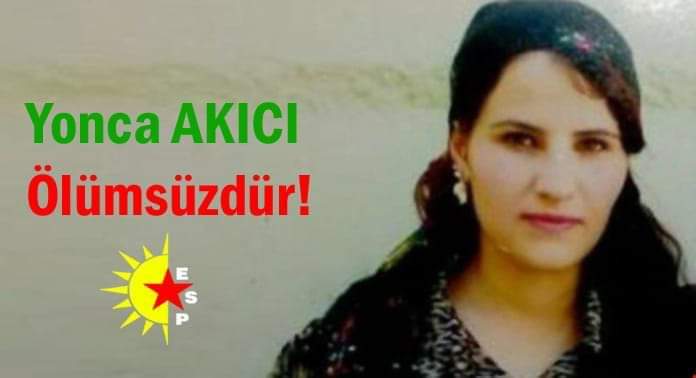
Support Hunger strikers: Yonca Akici, is the 6th to Die.. Stop Erdogan!

note.. this ‘TheFreeOnline’ blog is now banned in Turkey with Dozens more pro Rojava and anti Fascist sites

Yonca Akici was in Şakran’s women’s prison for four years for her ideology and political militancy, feminist and anti-fascist. On March 29, she tried to put an end to his life to protest against the isolation of Kurdish leader Abdullah Öcalan. She died on April  1st.

Ocalan in the past has declared long ceasefires with the Turkish State rejecting terrorism and separatism  in favour of ‘municipal anarchist’ communal ideas and feminist emancipation which have swept through the over 15 million Kurdish population.

Yonca’s body was buried in her hometown, Burunbulak village in Tutak district of Ağrı. Meanwhile, the cemetery was surrounded by security forces, only the closest relatives were allowed to attend the funeral.

Akici had been on hunger strike since March 1, and finally, yesterday, she died at the Çiğli State Hospital, where she lay severely injured.

see also: 300 on Hunger Strike – How Ocalan Transformed the PKK into Anti-Terrorists

After the autopsy, her body was sent to the Kurdish city Ağrı to be  buried.

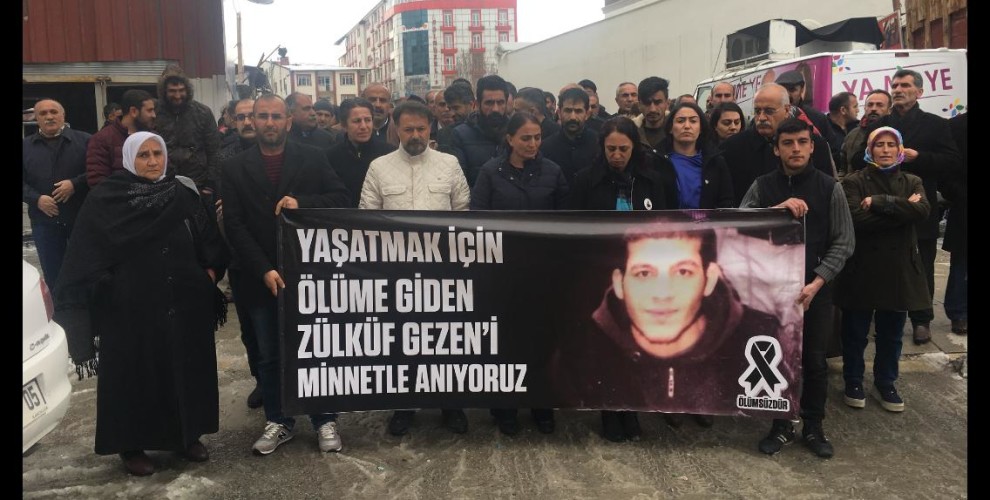
The bodies of three other hunger strikers who have committed suicide,  Zülküf Gezen, Ayten Beçet and Zehra Sağlam were retained by the Turkish regime and buried in silence without the participation of relatives and people, while only a few members of the family were able to attend. News is suppressed in the Government controlled media with dozens of outlets closed, journalists jailed and hundreds of thousands purged..

Erdogan arrests 735 more Kurds as Peace Hunger Strikers near Death

Erdogan arrests 735 more Kurds as Peace Hunger Strikers near Death

number 7 … Siraç Yüksek,

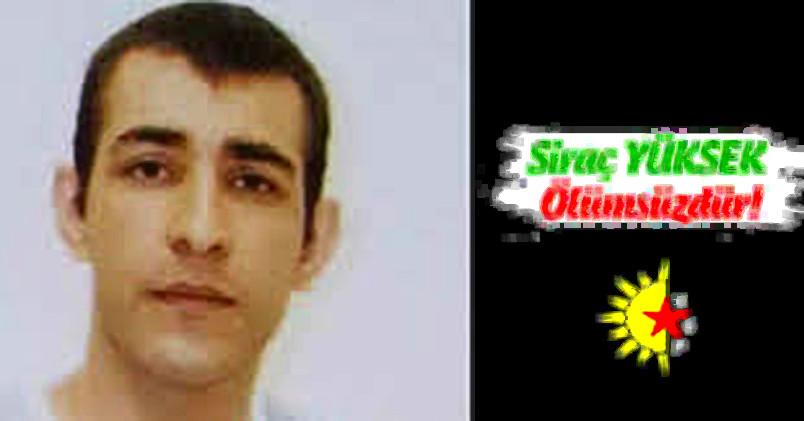
Yet another dead political prisoner.  Siraç Yüksek who joined the  hunger strike on March 1 in protest at the “isolation” of imprisoned leader of the Kurdistan Workers’ Party (PKK) Abdullah Öcalan committed suicide in a prison in the southern Turkish province of Osmaniye, being the 7th victim of such political suicides in a month, the Mezopotamya news agency reported.

Siraç Yüksek, was among the hundreds of hunger strikers in prisons across Turkey to protest Öcalan’s prison conditionsYüksek’s body was sent to the Adana Council of Forensic Medicine for an autopsy.

He was arrested in May 2016 during a curfew imposed on Nusaybin at the time, according to Mesopotamia.Prisoner. Siraç died  in the T-type prison in Osmaniye.

The funeral of Siraç took place in the district of Nusaybin in Mardin. Again, only the closest family members were let by the security forces to enter the cemetery. There were brief discussions between those who were not allowed to attend the funeral and the police.

Peoples’ Democratic Party (HDP) deputy Leyla Güven in November went on a hunger strike when she was jailed on charges of ”disseminating terrorist propaganda”, that is protesting the illegal and genocidal invasion of Afrin on social media. .

Three other HDP deputies are also currently on a hunger strike seeking an improvement in Öcalan’s prison conditions.

The deputies are protesting Öcalan’s inability to speak with his lawyers, referring to it as his “isolation.”

HDP deputies criticize the silence of society in the face of hunger strikes that have been increasing among Kurdish politicians across the country.

Statement by the PKK

The PKK Executive Committee made a statement about the sacrifice actions in prisons saying: “The Great Resistance by Hunger Strike, which has been taken up by our people has  spread throughout the world. Resistance has been carried out with the slogan “Let’s break the isolation, lets destroy fascism”. With the local elections on March 31, it seems that the AKP-MHP collapse becomes clearer. Our resistance aims to overthrow the fascist mentality and genocide policy and end the system of torture and isolation …. and gain freedom. Therefore, it is important and necessary to correctly understand the line of action and not carry out individual actions. There are some actions that should not be repeated. These are the actions of the comrades Zülküf, Uğur and Ayten. We believe that all the prison comrades will act with this awareness, not individually, but in an organized manner. “
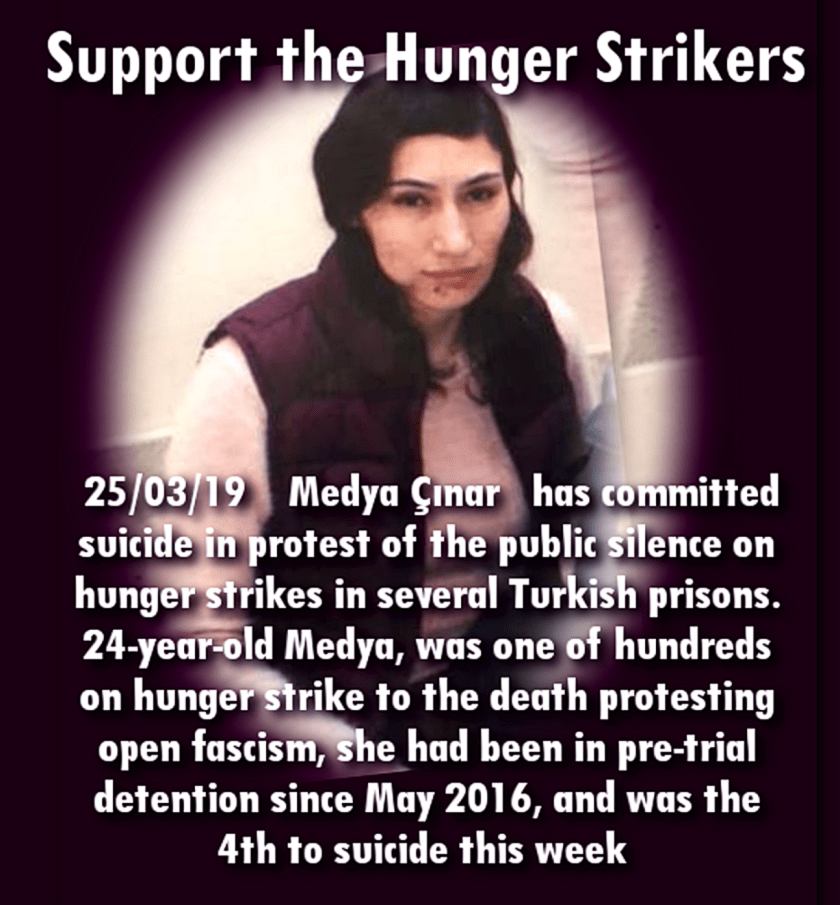
Since the launch of actions against the hunger strike that demand the end of isolation against Abdullah Öcalan, six people have now lost their lives, five of them in prison (one man and three prisoners) and one exiled to Germany.

Leyla Guven, the parliamentarian jailed for supporting Afrin who began the hunger strikes now comprising 0ver 400 people, has also called on the hunger strikers not to commit suicide. She has now gone almost 150 days without  food.

The other people who ended their lives are:

– Uğur Şakar (February 21, Germany),

– Zülküf Gezen (March 17, prison type F Tekirdağ no. 2),Image result for Zülküf Gezen,
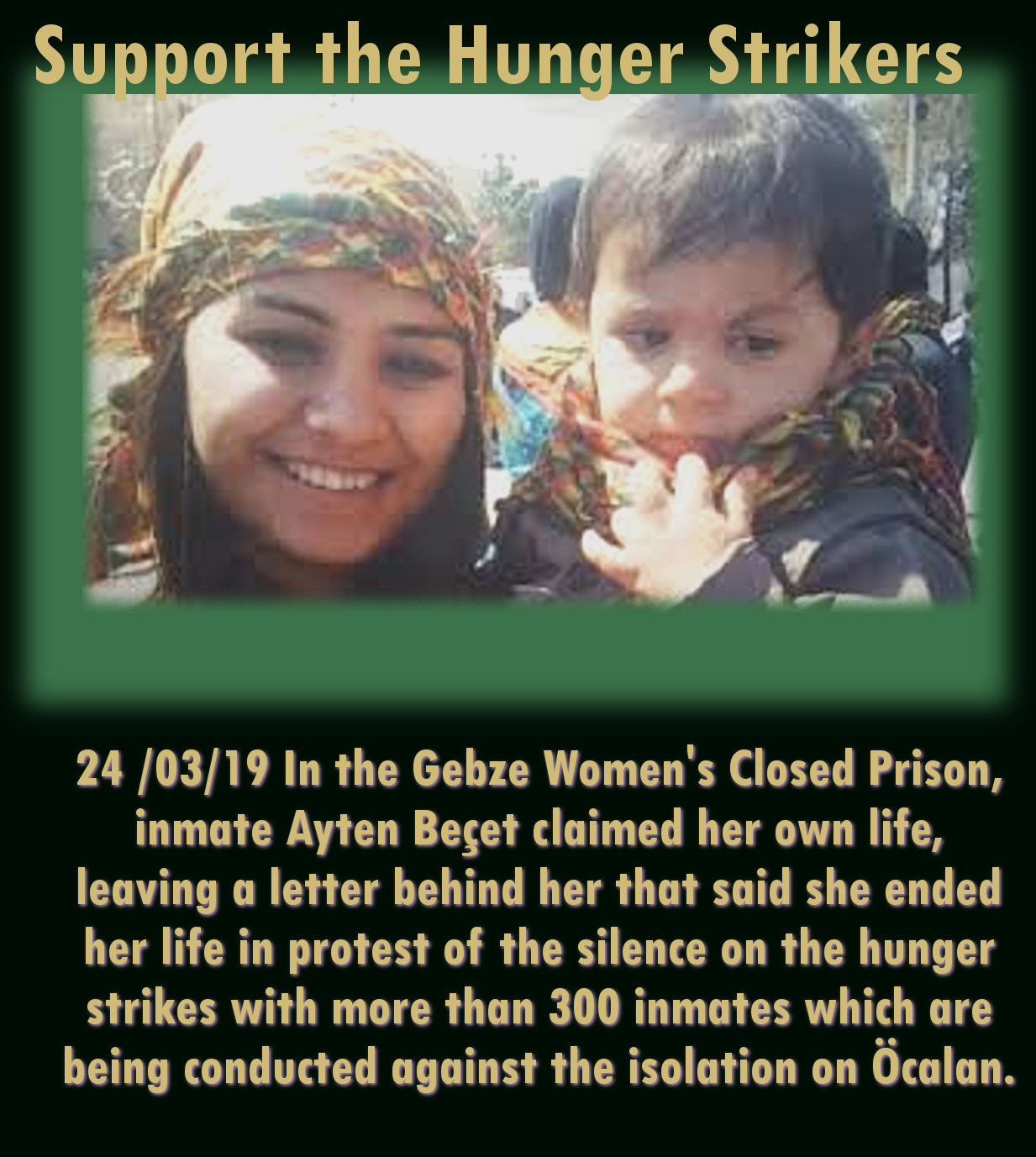
– Ayten Beçet (March 22, closed prison of women Gebze Type-M),
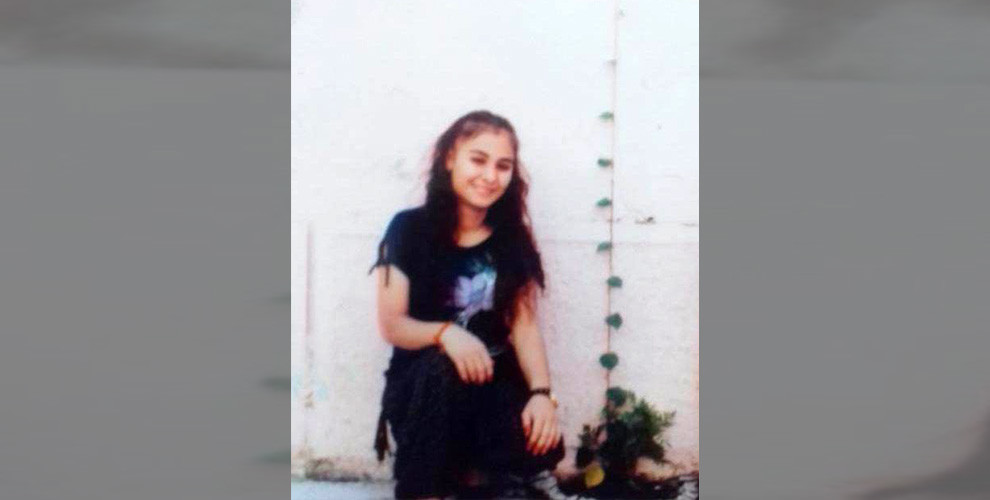
– Zehra Sağlam (March 24, Oltu Type-T Prison).

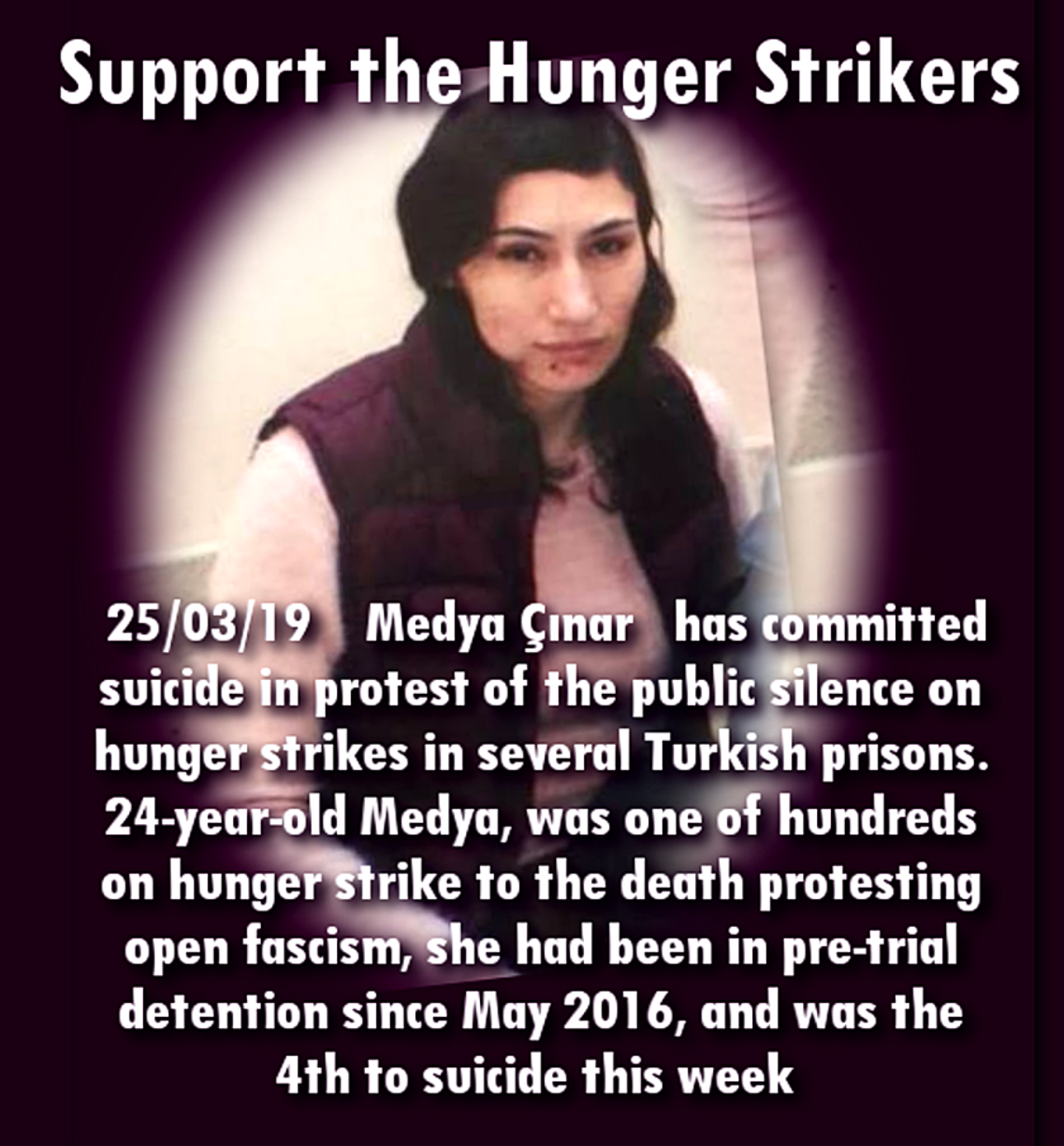
– Medina Çınar (March 25, Prison of Mardin type E)

– Yonca Akici (April 1, Şakran Prison)


original en català

Mor la presa en vaga de fam Yonca Akici, és la sisena

Yonca Akici era a la presó de dones de Şakran des de feia quatre anys per la seva ideologia i militància política. El 29 de març va intentar posar fi a la seva vida per protestar contra l’aïllament contra el líder popular kurd, Abdullah Öcalan.

Akici havia estat en vaga de fam des de l’1 de març i, finalment, ahir va perdre la vida a l’Hospital Estatal de Çiğli, on havia estat presa greument ferida. Després de l’autòpsia, el cos serà enviat a la ciutat kurda Ağrı per enterrar-lo.

Els cossos de Zülküf Gezen, Ayten Beçet i Zehra Sağlam van ser retinguts pel règim turc i enterrats en silenci sense la participació de familiars i persones, mentre que només alguns membres de la família van poder assistir.

Declaració del PKK

El Comitè Executiu del PKK va fer una declaració sobre les accions de sacrifici a les presons dient: “La Gran Resistència a la Vaga de la Fam, que ha estat desenvolupada per la nostra gent a tot el món, ha assolit un nivell important per difondre’s a tot el món. La resistència s’ha dut a terme amb el lema “Anem a trencar l’aïllament, destruïm el feixisme. Amb les eleccions locals del 31 de març, sembla que el col·lapse AKP-MHP esdevindrà més clar. Sens dubte, aquesta resistència té com a objectiu derrocar la mentalitat i la política genocida feixista, acabant amb el sistema de tortura i aïllament d’Imali és una resistència heroica i una resistència a la llibertat.

Per tant, és important i necessari entendre correctament la línia d’actuació i no dur a terme accions individuals. Hi ha algunes accions que no s’han de repetir. Aquestes són les accions dels camarades Zülküf, Uğur i Ayten. Creiem que tots els camarades de les presons actuaran amb aquesta consciència, no pas individualment, sinó de manera organitzada. ”

Des de la posada en marxa d’actuacions contra la vaga de fam que demanen la fi de l’aïllament contra Abdullah Öcalan, sis persones han perdut la vida, cinc d’ells a presó (un home i tres presoneres) i un exiliat a Alemanya. Es tracta, doncs, de la sisena mort en la protesta de l’aïllament. Les altres persones que van acabar les seves vides són:

– Uğur Şakar (21 de febrer, Alemanya),

– Zülküf Gezen (17 de març, presó de tipus F Tekirdağ n º 2),

– Ayten Beçet (22 de març, presó tancat de les dones Gebze Type-M),

– Zehra Sağlam (24 de març, presó Oltu Type-T).

– Medya Çınar (25 de març, presó de Mardin tipus E)

– Yonca Akici (1 d’abril, presó de Şakran)


Between the Feminist Wave and the Green Anti Capitalist Sea

A Feminist Movement to End Capitalism  Part II:

Black Rose/Rosa Negra is a proud feminist organization. We take our political inspiration from the historical struggles of working class women, including those who carried out their work in the name of other movements or ideologies. While we value the feminisms that can be found in our own neighborhoods and workplaces, we also seek to learn all lessons possible from the parts of the world where feminism is ascendant. Our international partnerships have resulted in a strong Latin American perspective in our writing and ideological perspectives – something we find appropriate for an organization based in the Americas. We are excited to present the second in a two part series by Bree Busk looking at anti-capitalist feminism in South America with a wealth of concepts and analysis that we can draw from in the U.S.

See Part I for a glossary of terms used.


Between the Feminist Wave and the Green Sea: from Argentina to Chile

By Bree Busk

The student feminist wave of 2018 struck so suddenly and spread so quickly that its impact resonated far beyond Chile’s national borders. Like the student movement that rocked the country 7 years earlier, feminism forced its way into the public consciousness, changing the course of the country’s many social movements as well as government policy. This was accomplished through a series of groundbreaking events instigated by university and high school students as well as some of the largest feminist mobilizations ever to take place in Chile.

The first article in this series described how the current Chilean feminist movement held the potential to revitalize the country’s diverse social struggles through transversal, multisectoral politics.

This strategy was exemplified by the Coordinadora 8 de Marzo (C8M), the feminist coalition which advanced under the slogan, “Against the Precaritization of Life!” in answer to the suffering generated by the neoliberal project in Chile and the pervasive threat of patriarchal violence.

see also …   Anarcha-Feminism! Lets annihalate Patriarchy !

C8M emerged from a movement rife with ideological conflict and harried by external threats.

After coordinating a massive mobilization on International Working Women’s Day 2018, they might have easily disbanded or collapsed under the pressure of internal divisions like the Coordinadora NiUnaMenos before them.

However, they were thrust into the driver’s seat of the movement when outrage peaked in the universities, eventually sparking feminist activity throughout the country. This rapid succession of events came to be called the Mayo Feminista (Feminist May) and marked C8M’s rise to prominence as the most representative body of the expanding movement.

As 2018 wore on, the wave of university occupations began to wane. However, the movement would soon be jolted back to life by the contagious energy of Argentina’s feminists who were making historic progress in their struggle for abortion rights. By July, Chilean feminists had donned their own green bandanas in imitation of their compañeras across the border. Consequently, Chile’s growing fascist movement launched its first counterattack. Meanwhile, the shifting political landscape compelled both grassroots and government forces to adapt to the new reality opened up by the student feminist wave.

Mayo Feminista

The feminist wave was carried forward by a surge of collective frustration with university leadership regarding the handling of sexual harassment complaints. While some student bodies had successfully pressured their universities into implementing protocols to resolve cases of abuse, the slow pace of bureaucracy and lack of will on the part of the administrations often led to disappointing results. Other schools had no protocols whatsoever and feminists had to start from zero.

Wherever the student movement had a foothold, this catalyzing issue was woven into the fabric of more established demands, such as the need for a non-sexist education (a disruptive demand raised in 2011 during the previous era of student mobilizations), institutional acceptance of queer and transgender students, and an educational experience free of sexual harassment and discrimination.

Student feminists drew strength and direction from these common demands, but also organized at the level of their departments or institutions to define their own political priorities and determine appropriate tactics.

In Chile, high schools and universities have been self-organized for decades, tracing back to the period before the dictatorship. Students are often knowledgeable about their institution’s unique heritage and take pride in passing political traditions on to the next generation. When necessary, they draw on their popular memory of struggle, using strikes, school occupations, and popular assemblies to exercise their power. The movement has evolved over time, eventually incorporating a series of feminist demands. However, the eruption of feminist strikes in 2018 demonstrated that change was not happening fast enough.

Students of the Universidad de Chile Law School demand the firing of Carlos Carmona, a
professor accused of sexual harassment. Credit: La Tercera

The first feminist occupation or toma took place in April 2018 at the Universidad Austral, located in the south of Chile. It was carried out in reaction to the mishandling of a disciplinary case against a professor accused of sexual harassment.

It was almost immediately followed by a second, more prominent toma at the law school of the Universidad de Chile (UCh). UCh, centrally located in Santiago, is one of the most prestigious universities in the country and is known as a hotbed of leftist political activity. A specifically feminist takeover was completely unprecedented; however, the student body was used to leaping into action and the feminist occupiers promptly transformed their school into an informal headquarters for the growing movement. In a matter of weeks, over a dozen university departments were occupied or otherwise paralyzed by strikes.

The Coordinadora Feministas en Lucha popularized a green bandana for the Chilean
movement for abortion rights. Credit: Moreen Ramos

School occupations are more than just a symbol of defiance or an act of civil disobedience. The interruption of “business as usual” serves as a check on institutional power and can force university administrations to find faster or more satisfying answers to student concerns. Furthermore, the occupied spaces become centers of self-managed educational, cultural, and political development. Students host and attend a wide variety of workshops and may even request specific trainings or political presentations from outside groups.

Run by popular assemblies, tomas give students the opportunity to form their own opinions and participate in direct democracy. In intense periods of struggle such as 2006 and 2011, school occupations were so common that they became a cultural touchstone for a whole generation. This has led some Chileans to develop a jaded perspective, viewing student resistance as little more than an excuse to get out of class. However, the feminist strike gave new dimension to these traditional tactics.

On May 11th, the public was shocked when a group of 127 female students from the Law School of Pontificia Universidad Católica (PUC) delivered a public letter condemning the sexist environment they had been forced to endure, including a list of misogynistic comments heard in classrooms.

The shock, however, came not from the content of this letter, but from its place of origin: PUC is a conservative, religious institution far more likely to be associated with gremialismo (a far-right ideology championed by Pinochet-advisor Jaime Guzmán) than feminism.

Even at the height of student resistance in 2011, PUC only experienced a single toma. Of note, this occupation was motivated by the demand to dismantle the Chilean Constitution of which Guzmán was the primary architect. It was carried out at PUC’s East Campus, the location of Guzmán’s assassination in 1991 at the hands of the Frente Patriótico Manuel Rodríguez.

La Casa Central of Universidad Catolica under feminist occupation. Credit: La Tercera

Everything changed on May 25th, when a group of feminist students occupied La Casa Central, the main building of the downtown campus. This historic event was marked with controversy, as the occupiers clashed with other students whose positions ranged from liberal feminist politics to outright fascism. These ideological conflicts largely played out in the media, but on the first night of the toma, students reported a brief confrontation between the occupiers and gremialistas. Both the unexpected nature of the feminist takeover at PUC and the subsequent right-wing backlash foreshadowed larger trends as the feminist wave continued to advance through the country.

High School Students Join the Struggle

There are several factors which distinguished the 2018 feminist wave from previous eras of student resistance, the most significant being that many of the popular assemblies voted in favor of “separatist” occupations, meaning that only women and sexual dissidents were welcome.

Even in spaces where men were tolerated, their leadership was not. This understandably produced some confusion for many male students who found themselves relegated to the back seat when it came to making political decisions for the student movement.

This dynamic was especially visible in the liceos emblematicos (emblematic high schools), the country’s most prestigious public schools whose mixed class character has produced a long tradition of leftist student resistance. The feminist wave forced the conversation on intra-movement sexism, threatening a separatist rupture if male students couldn’t adapt to the new political reality.

On May 15th, 200 students from the all-girls school Carmela Carvajal de Prat invaded and occupied the all-boys school Instituto Nacional in a landmark event. Using chairs and metal barriers as improvised stairs, the girls entered the campus at 12:15pm and established themselves in the building with barricades and feminist banners.

A few hours later, they were joined by a new contingent of 60 students from Javiera Carrera (another emblematic all-girls school) who initiated a solidarity protest outside. This headline-grabbing action marked a turning point for these student bodies, because for the first time, their fight wasn’t exclusively against the school administrations.

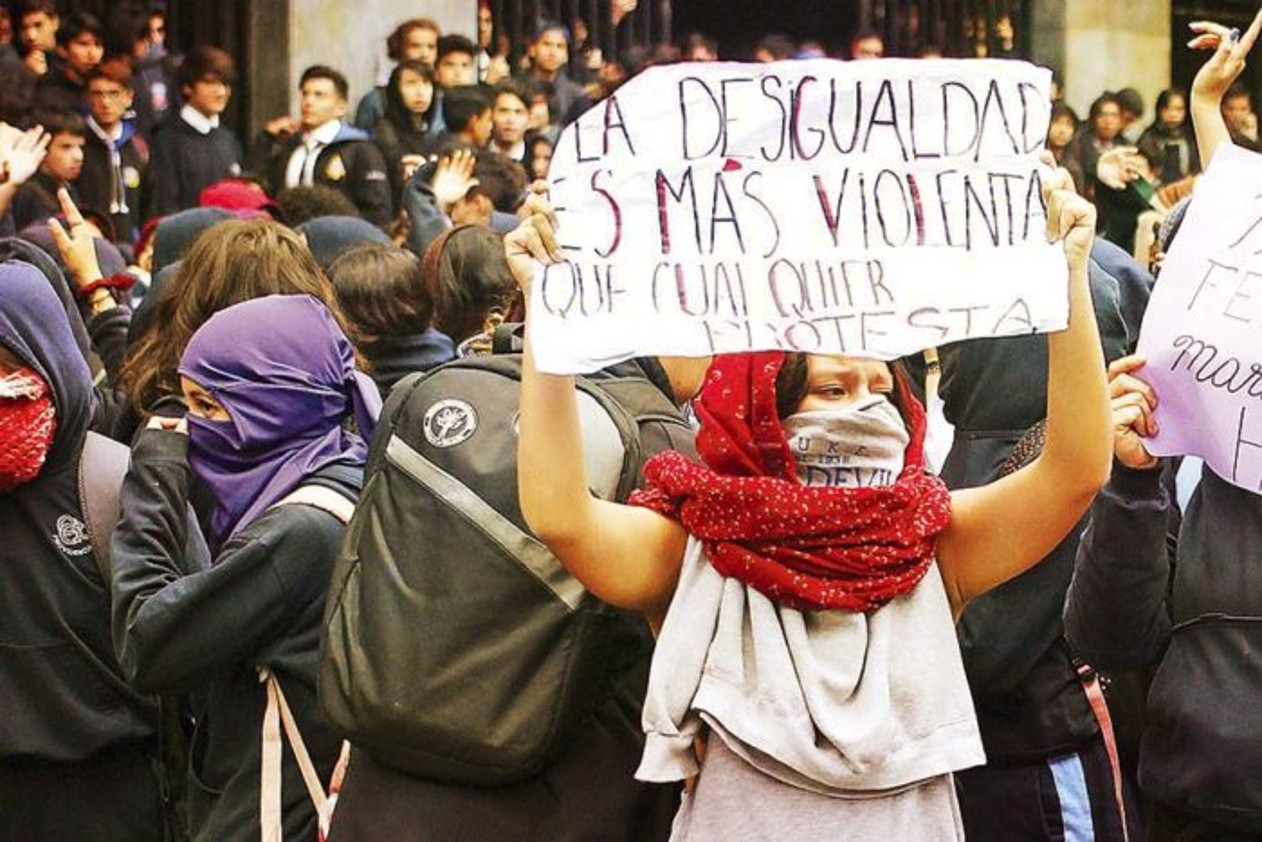
“Inequality is more violent than any protest.” Students from the emblematic all-girls school Continue reading “Between the Feminist Wave and the Green Anti Capitalist Sea”

Berlin, Germany: Action Days Against Rent Madness Begin

Arson Attack Against Property Company Deutsche Wohnen

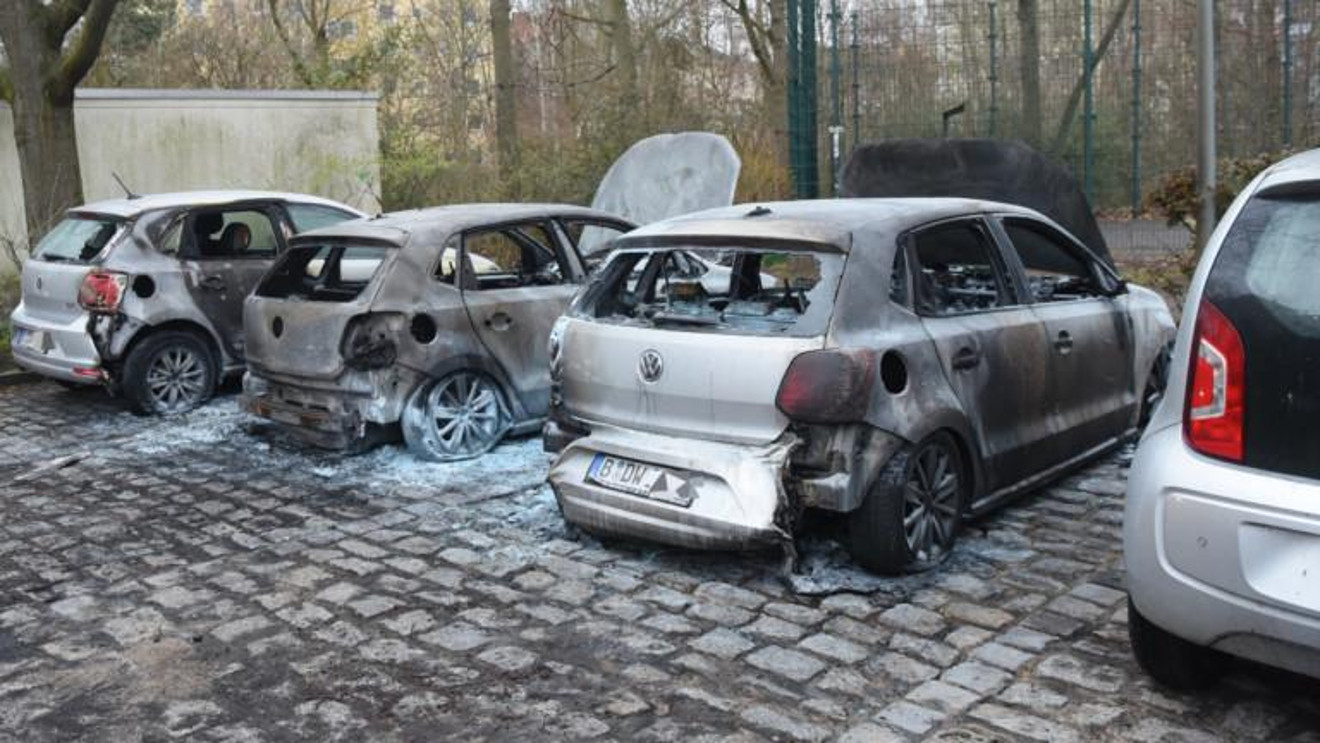
27.03.19: The Action Days Against Rent Madness have begun in earnest in Berlin with an arson attack against the vehicle fleet of property company Deutsche Wohnen.

The attack carried out by an Autonomous Groups cell destroyed 3 vehicles. The action days are part of an ongoing struggle against rising rents, lack of affordable housing and gentrification of working class districts. The campaign has involved a diverse set of tactics ranging from public demonstrations to militant direct action. Here is an excerpt from the claim of responsibility that was posted on German Indymedia:

“We dedicate the ashes of the three burned-out cars to all those affected by letters of termination, evictions and rent increases.

We devote the blazing flames to those who have been abandoned by the system, the victims of daily marginalization, and our fighting comrades, who are either in jail or on the run.”


Activists in Berlin want to seize 200K apartments from landlords

Campaign must first collect 170K signatures
March 28, 2019 08:00AM  [by  The Nation] — Kevin Sun

“Expropriate Deutsche Wohnen and Co” founder Rouzbeh Taheri and Deutsche Wohnen apartments (Credit:Deutsche Wohnen and Berliner S-Bahn-Tisch)

“Are we heading back to socialism now?” asked Germany’s largest tabloid, Bild, earlier this month.

The reason? A referendum initiative in Berlin is seeking to expropriate 200,000 homes from the city’s biggest landlords and convert them into social housing, The Nation reports.

The proposal, known as “Expropriate Deutsche Wohnen and Co,” would affect a total of 10 companies, each of which owns at least 3,000 units in the rapidly-gentrifying German capital.

“Resistance against gentrification has grown so much stronger in the last 10 years. It has been proven that protest pays off,” the founder of the initiative, Rouzbeh Taheri, told The Nation.

The company specifically called out in the name of the proposal, Deutsche Wohnen, is Berlin’s largest private-property owner. Deutsche Bank founded the company in 1998, and it now owns 110,000 apartments in Berlin. Asset manager BlackRock owns more than a 10 percent stake in the company, making it Deutsche Wohnen’s largest shareholder.The official referendum campaign will begin next month, and will need to collect 170,000 signatures as a first step in the process. A long legal battle will likely follow, and the city would have to determine how much to pay the landlords as compensation. If approved, the referendum would be held sometime next year.

If the referendum succeeds, it would mark the first use in 70 years of Article 15 of the German Constitution, which allows for nationalization of private property.

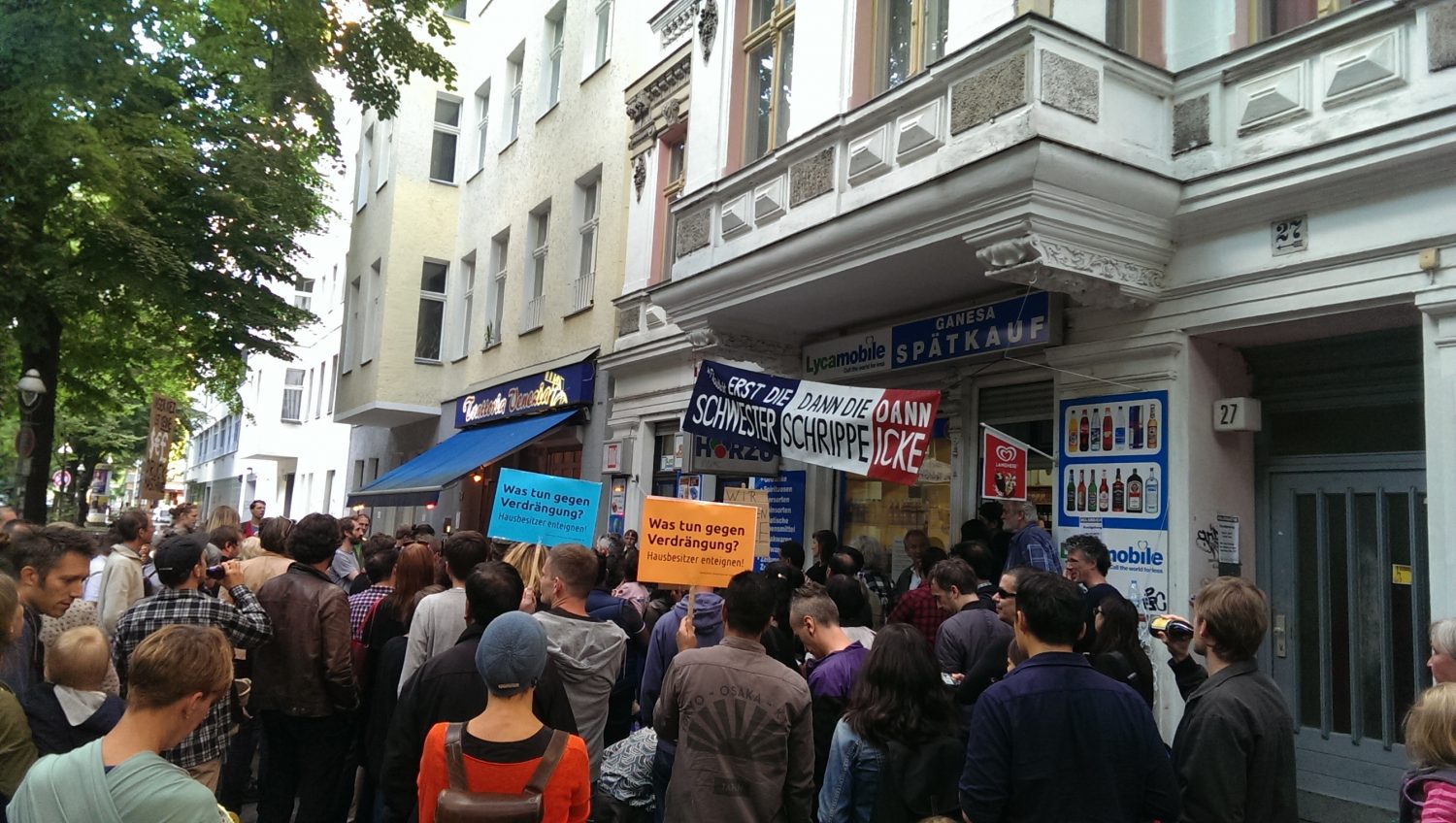
The city of Berlin privatized about 200,000 units between 1989 and 2004, after the end of the Cold War. Rents have more than doubled in the past decade as the city has evolved into a world hipster capital.

The Berlin anti-gentrification movement has established ties with groups around the world, including anti-Amazon protesters in New York.

“We can learn from each other. And I hope we will talk soon about the socialization of Facebook, Google, and Amazon and others. But for now, in Berlin, it’s about housing companies,” said Nina Scholz, a Berlin-based journalist who supports the initiative.

[The Nation] — Kevin Sun

Injured Anarchist refused medical help. 11 Face Trial after Attack on Tomb of Police Chief 

Argentina: Update on the Cruel and Inhumane Treatment of Anarchist Prisoner Anahi Salcedo

  • Posted on: 26 March 201     By: thecollective   Partly From mpalothia.net
  • en castellano abajo, en parte

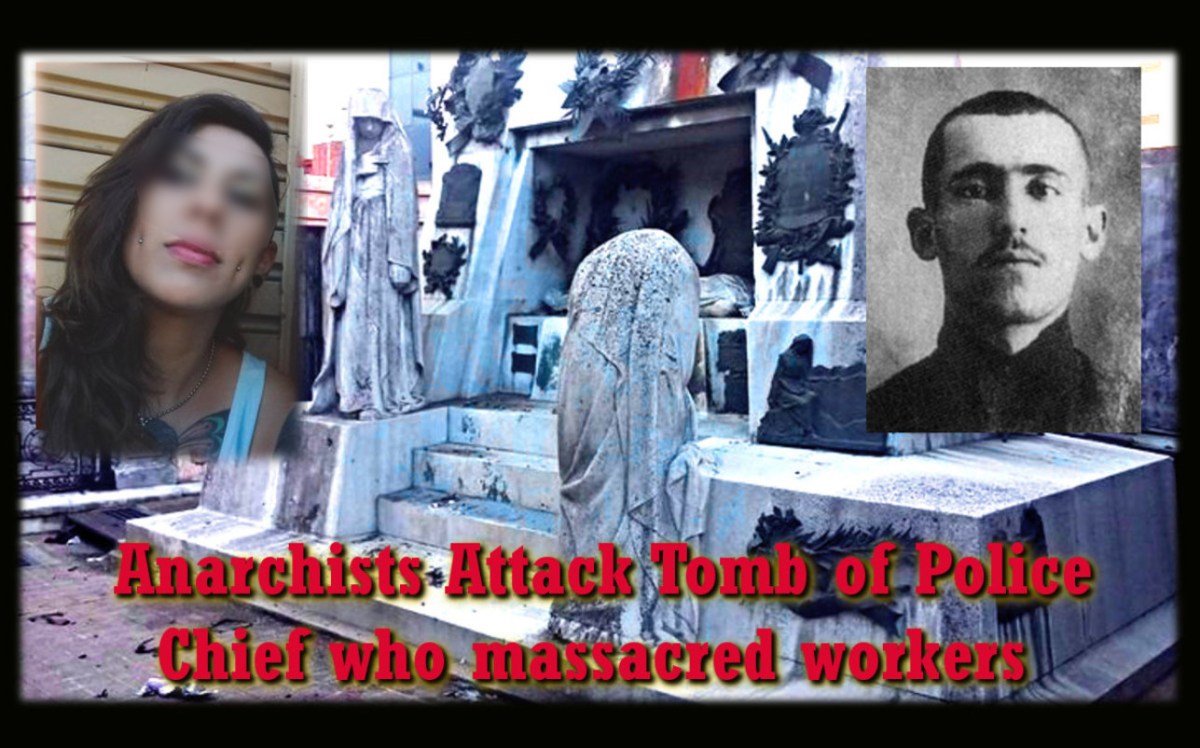
Anahi Salcedo has been held in Ezeiza Prison since January 10th. She is on remand accused of the symboilic explosive attack against the tomb of the infamous, genocidal torturer, Commissioner Ramón Falcón, Chief of the Argentine Federal Police that took place on November 14th, 2018 – 109 years since Falcón was executed by Anarchist comrade Simón Radowitzky.

On Tuesday 26 March 2019, the federal judge Julián Ercolini sent for trial the militants accused of placing these 2 small bombs.  Hugo Alberto Rodríguez and Anahí Salcedo, accused of trying to blow up the marble mausoleum of Ramón Falcón, and Marco Nicolás Viola, 27, in a seperatye incident .

Also eight other defendants were sent for trial, almost all arrested after the bombings without any serious evidence (and still refused bail and detained due to police revenge mentality), in a police  raid on the occupied center (Social Center Pavón) that Salcedo and Rodríguez frequented  in Montserrat. (see more info below)


Anahi received serious injuries to her hand and face, allegedly following the premature detonation of a homemade explosive device at the tomb. At the time of her arrest, Anahi lost three fingers on one hand and suffered serious injuries to the rest of her body including a fracture of the clavicle on her other arm. She has two children aged 8 and 10, and lived with 2 sisters..

Anahi is a young companion from the Buenos Aires anarchists, known for sharing anarcha feminist posts criticizing patriarchy and “anarcho machos”. She shared the invitation to the anarchist film festival, appeals for abandoned animals and a series of talks and workshops on “self-defense and combat”, “natural gynecology” and “veganism and anarchism”  etc. Continue reading “Injured Anarchist refused medical help. 11 Face Trial after Attack on Tomb of Police Chief “

War against the Colour Yellow in Catalonia .. Supreme Court in Fascist Fantasy

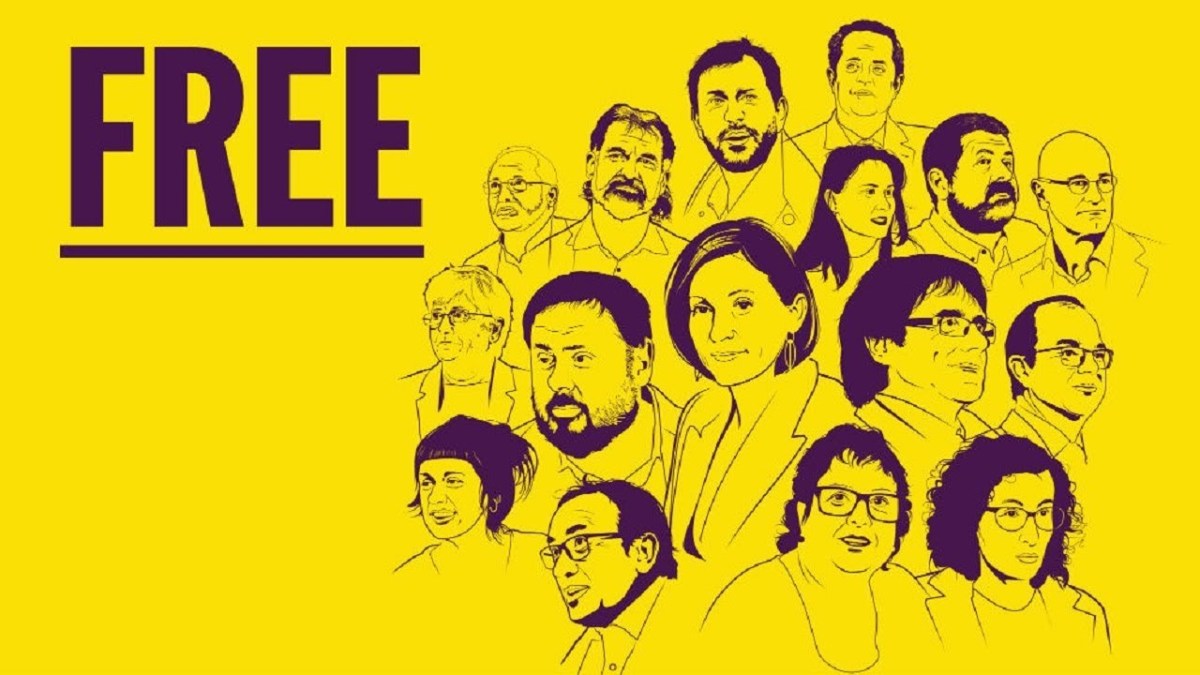
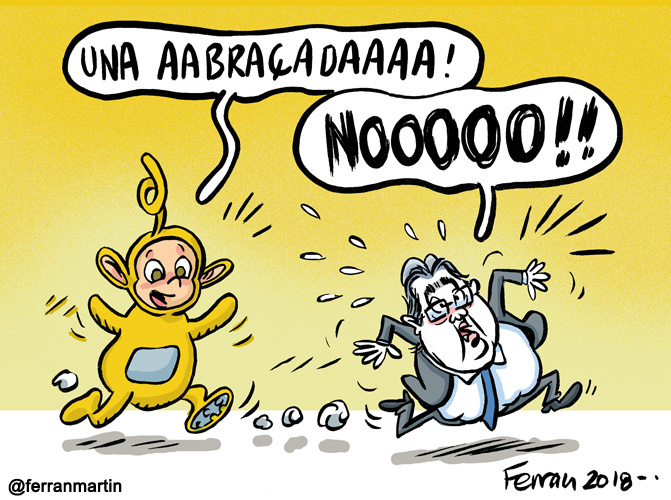
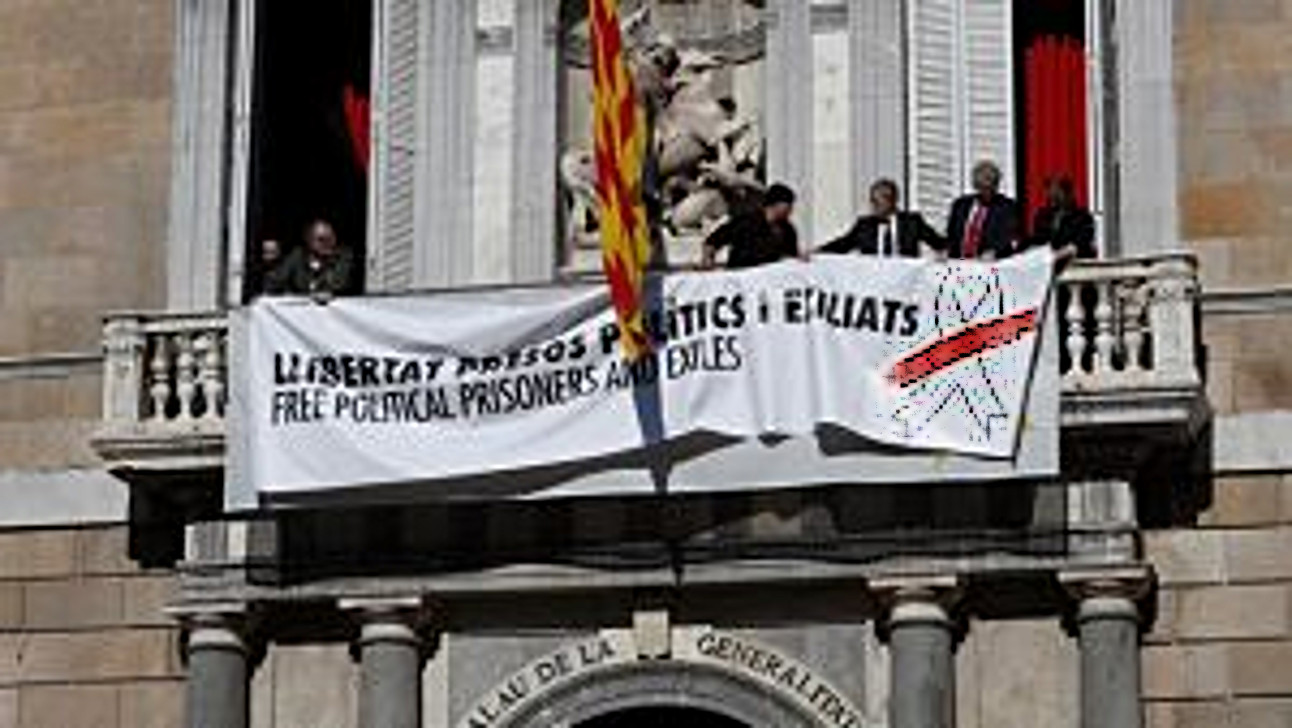
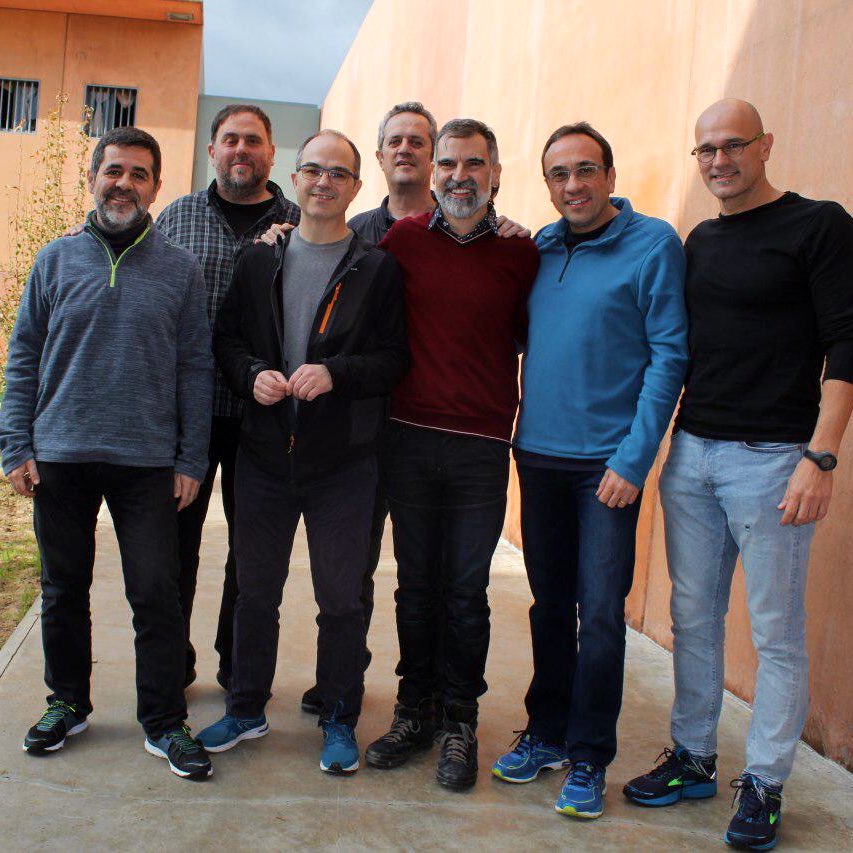
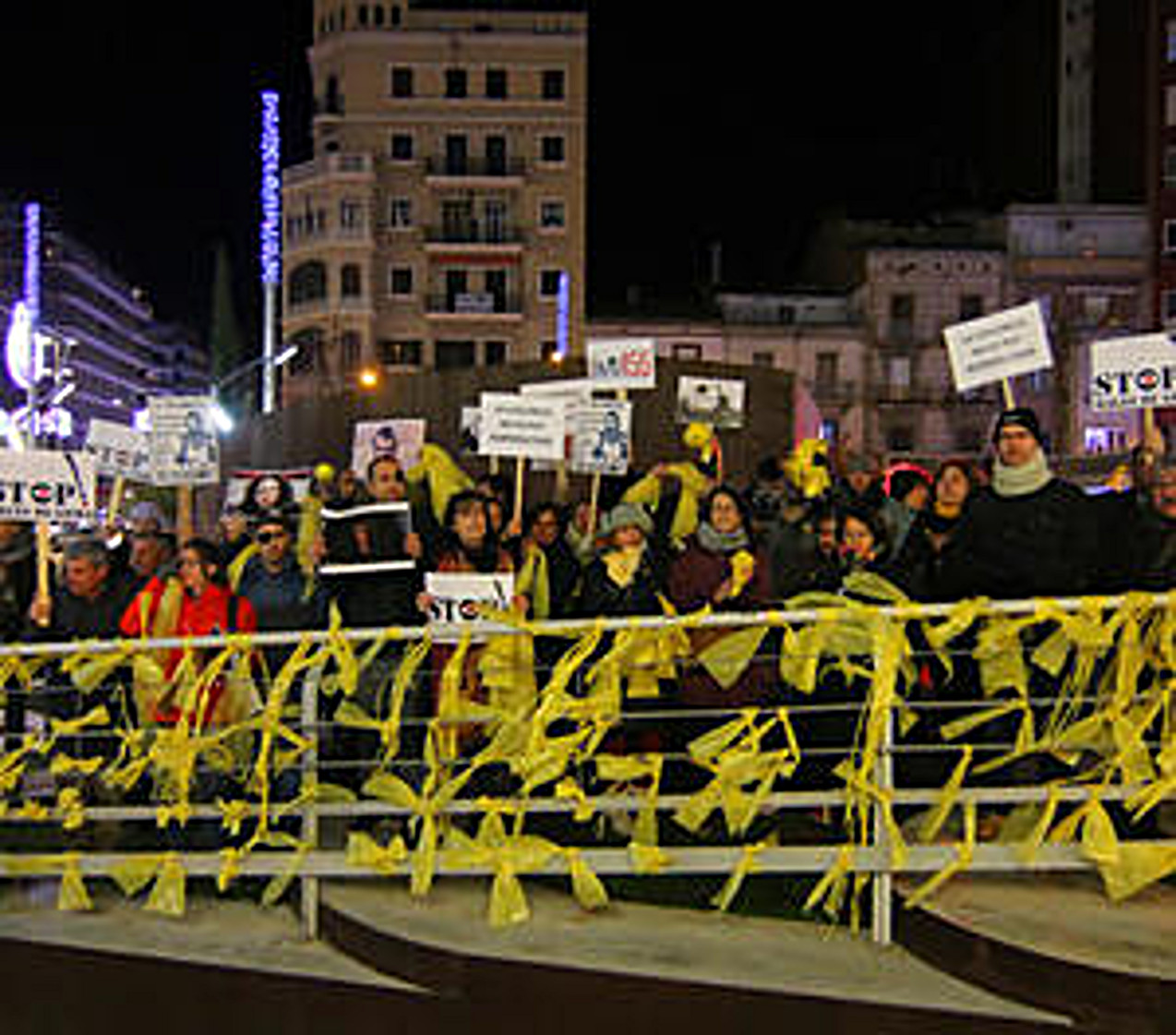
The Electoral Board orders the Police to clean local government buildings of of yellow ribbons and pro-independence symbols.  In the Supreme Court, Marchena protects the magical stories of the civil guards by banning the videos of them attacking peaceful voters.  As far right aggressors go free with state and media approval a new neo fascist movement is galvanised into being..It is not clear if the order of the Board also includes all the new symbols – or even more original ones like the banner of Port de la Selva that replaced yellow with blue and “llibertat political prisoners” with “llibertat peixos pacífics” (transforming ‘Free Political Prisoners’ into ‘Free Peaceful Fish’)–

It is very likely that all will be banned if we look at the history of the 155 elections, those of 21D 2017, in which the Board banned the color yellow in the lighting of fountains and buildings or the Christmas lights.

The grotesque spectacle of military police entering public buildings and removing banners, posters and ribbons is very likely to repeat itself. The orders come from a body so ”independent and impartial” that it includes among its members two of the judges that make up the tribunal of the continuing show Trial of the Catalan Leaders.

the yellow ribbon crossed out by a red line will not be enough

In turn, the President of the Generalitat (limited Catalan parliament) was brought before the Prosecutor’s Office to investigate whether he has committed a crime of disobedience punishable by fines and disqualification from public office.

Are the prosecutors of the rebellion preparing the way for a new episode of Direct Rule from Madrid (Article  155) that ends with the dismissal of another Catalan president? Everything is possible is this Kingdom.

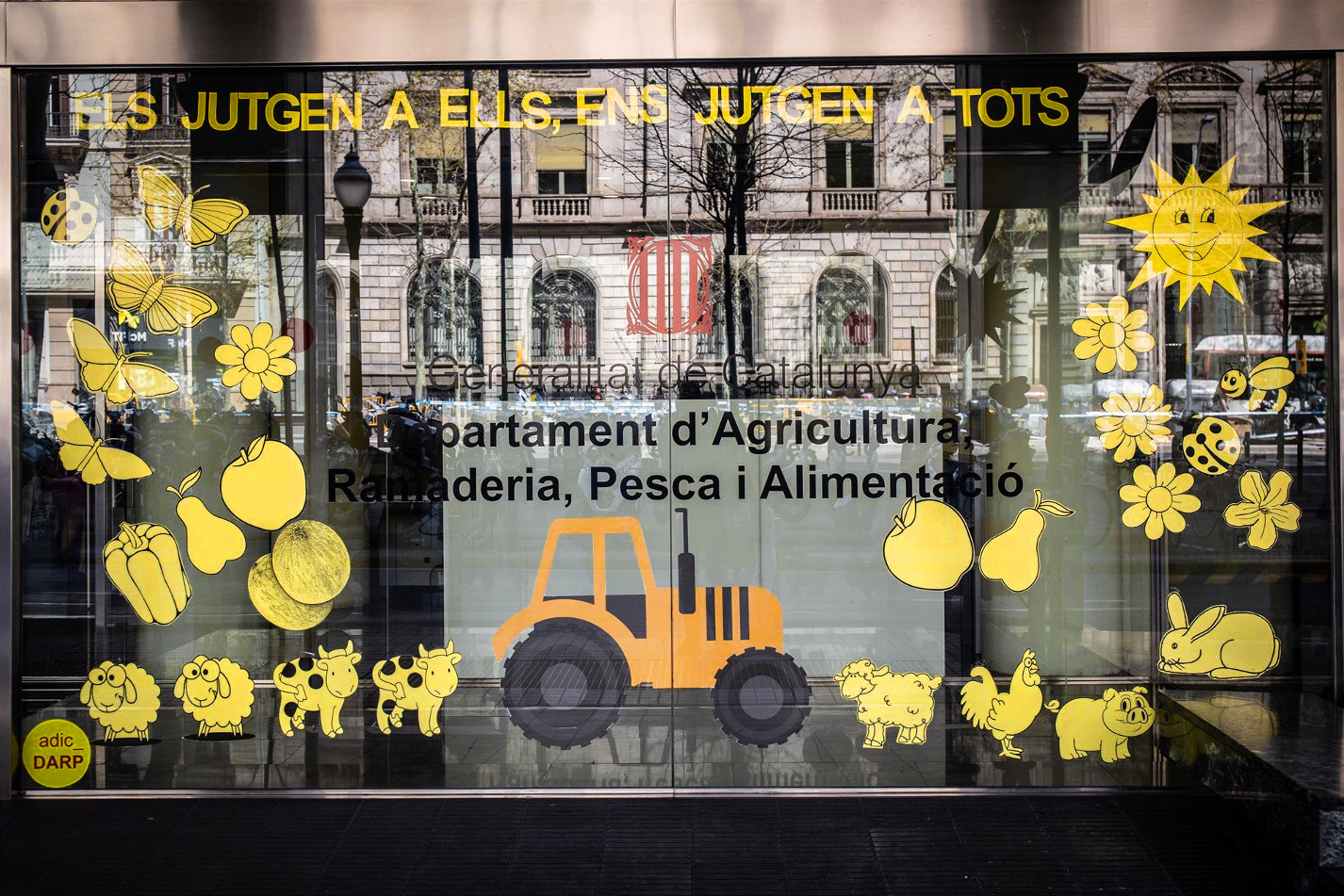
This was the response of the ‘electoral body’ to the decision of Torra and his counsellors to replace the ‘offensive’ yellow ribbons with other posters crossed by a red line -referring to the symbol in defense of the freedom of expression that has also been in one of the windows of the Palau of the Generalitat- or by other yellow icons, such as chickens, sheep and other animals that decorate the door of the Consellería de Agricultura.

Door of the agriculture Ministry with illegal Yellow Animals.

We reach the hilarious but serious prospect of the Catalan President facing dismissal and a charges for allowing the display of a yellow chicken in a public building.


The Spanish National Police have a new ultra right group called Spanish Spring CENEPE (Primavera española del CENEPE) composed of Spanish police officers which proposes to toughen violent police actions and disseminates hate messages and threats. According to El Confidencial, there are 13,062 armed members of this police Facebook group. An approach to Vox’s political positions has also been detected, with the broadcast of messages, videos and slogans of this new ultra right party.  Full text in Spanish at: https://www.lahaine.org/fN2m


Meanwhile in the politically controlled Supreme Court Trial, these same judges, with Marchena in the lead, continue with a farce that cannot stand the slightest test of impartiality. Last week was the turn of various Civil Guard agents drafted into Catalonia.In a surprise move the Court allowed the Office of the Prosecutor, the State Attorney and, incredibly,  the new fascist party Vox , to ask them about their presence in the attempted  repression of the 1-O  Referendum . Independent observers, including Noam Chomsky, have been barred from the Trial.

Despite the fact that the whole world saw the dozens of videos of them beating up thousands of peaceful voters, the police claimed they were the real victims.  The stories of the agents, border on the fantastic. They talk about how they felt a “hatred never seen”, an “unusual violence” … and other pearls like that as they hospitalised over 1000 voters.


The Electoral Board of Barcelona has prohibited on Thursday the public media TV3 and Catalunya Ràdio from using the words “political prisoners” or calling Puigdemont “exiled” in their news programmes.


So that the delirium is not so evident, Marchena decided that their stories cannot be contrasted with what actually happened. Directly he prohibited  showing a single video image of the ”facts” about which the police declared, which could have  contradicted their every  word.Democracy and Judiciary, Franco style continues on TV. The authoritarian and recentralizing course of the Regime continues deepening since the institutional coup of Direct Rule 155, and in this scenario the script is written side by side by all its agents, from the Crown to the PSOE (”socialists”), including of course by the far right PP, the Cs party and the exciting newcomer on the gravy train, the openly neo-fascist Vox.

some info sourced from http://www.izquierdadiario.es/Guerra-al-amarillo-y-relatos-fantasticos-en-el-Supremo