‘Freedom’ for Catalonia.. 400km human chain.. an anarchist viewpoint

Catalans will try to form a human chain, holding hands along the entire 400 km seashore of Catalonia in the Spanish State. The demonstration is called by a non governmental organization the Catalan National Assembly (ANC) with the theme “Catalan way to independence” on Wed. September 11, the Catalan national day. The event aims to both challenge Madrid and make the Catalans’ voice heard in the world.    ... continued below CGT article

Bumper stickers in Barcelona celebrate the Catalan Donkey instead of the Spanish Bull

Right to decide : For the determination and self-management

Permanent Secretariat of the CGT Catalonia for September 11 , 2013.

en català sota

All people were born to be free . Given that all people live in society , the desire for individual freedom also becomes a right to collective freedom . Hence the whole community recognized as such, as a group , as a people , as a nation , and of course , as a class , have the inalienable right to decide their future. As expected this September 11th the people of Catalonia will again take the streets to demand something that is obvious and logical : the right to be free to decide as a people on all aspects of our future . Continue reading “‘Freedom’ for Catalonia.. 400km human chain.. an anarchist viewpoint”

California Prison Hunger Strike Ends After 60 Days

billy sell's self portrait

Self-Portrait of Billy Sell, who committed suicide on July 22nd Courtesy Prisoner Express

by Sal Rodriguez

s – http://www.prisonerexpress.org / Gary Fine, Assistant Director, Durland Alternatives Library, Cornell University

The California Department of Corrections and Rehabilitation (CDCR) released a statement this morning that all hunger strike participants had resumed eating, ending a two month long hunger strike. 100 hunger strikers were participating as of yesterday afternoon, with 40 on hunger strike the entire 59 days since the launch of the strike. Protesting long-term solitary confinement and sensory deprivation in California’s Security Housing Units (SHUs), 30,000 prisoners in 24 prisons across the state and in out-of-state facilities housing CDCR prisoners launched a hunger strike on July 8th. Continue reading “California Prison Hunger Strike Ends After 60 Days”

Elvira, the Street Brigade and the Sex-work Network

Elvira the radical feminist on the streets , Elvira the zapatista , the companion of sex workers  (en español abajo)

elvira-en-marcha-

by Gloria Muñoz Ramírez

” Getting to La Merced was a shocking stroke of reality. I watched as the council vans arrived from Cuauhtemoc with a lawyer who signalled who had not paid the bribes. I saw them harrass , beat up and rape the girls ” .

Mexico , DF . Working on the streets is not for everyone . The rawness of the corners and the darkest places would make anyone run away. Exploitation , beatings , drug dealing , excess alcohol, people trafficking, all the underground in your face, but not everyone wants to see or feel it, even less to do something to change things.

Elvira Madrid Romero is one of those few people who came to La Merced to stay. Continue reading “Elvira, the Street Brigade and the Sex-work Network”

Masia ocupada contra el MAT …resiste!

the ‘MAT’ is a Ultra High Tension electricity line connecting France and Spain

hortdebaix's avatarKanPasqual

971802_365060246930311_1254966660_nDesde el techo

Día 5 en la nueva casa ocupada Contra la MAT y el mundo que lo necesita

Un amanecer precioso desde el techo de la masia ocupada, y seguimos resistiendo. Cada vez somos más dentro de la casa y la gente solidaria
se va acercando. El cous cous aun no se ha acabado, pero ahora mismo
solo queremos café!  Ayer terminó tranquilo, tras una última visita de los mossos y el
propietario de la casa. Empezó con amenazas, pero terminó con una
identificación para un supuesto proceso judicial.  Desde aquí hay una vista fantastica y la zona parece tranquila.  Comenzaremos la jornada de hoy con limpieza y arreglos en la casa, ylas actividades de la acampada y la asamblea diaría de las 19:00h se
trasladarán aquí. Por supuesto, estás invitad@ a participar!

Para llegar a la masia: Mostrar mapa

View original post 528 more words

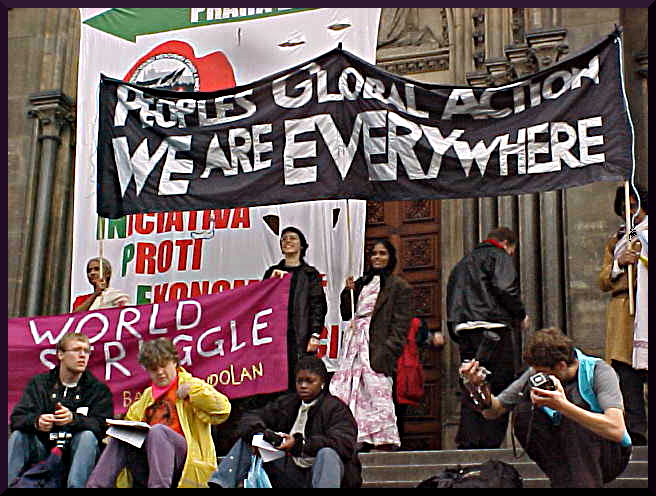
Autonomy and the Global Revolution..We Are Everywhere! ..a must-read ..download HERE!

 Read it HERE    or Download (.pdf)  with login

Autonomous_Roots_of_RDM.pdf    240 KB  25 pages

PGA-Protest

 We Are Everywhere!

The Autonomous Roots of the Real Democracy Movement (RDM)

Jérôme E. Roos and Leonidas Oikonomakis

EUROPEAN UNIVERSITY INSTITUTE

ABSTRACT:

The years since 2011 have witnessed the (re-)birth of a global cycle of struggles around the issue of democracy. With the representative institutions of liberal democracy in crisis, social movements appear to be increasingly moving away from claims-based and state-oriented contention towards a global project of autonomy. Continue reading “Autonomy and the Global Revolution..We Are Everywhere! ..a must-read ..download HERE!”

Rebels admit Saudi Prince Bander set up Chemical massacre

Putin holds Prince Bander responsible: Saudis Go On Full Alert As Putin War Threat Stuns Muslim World

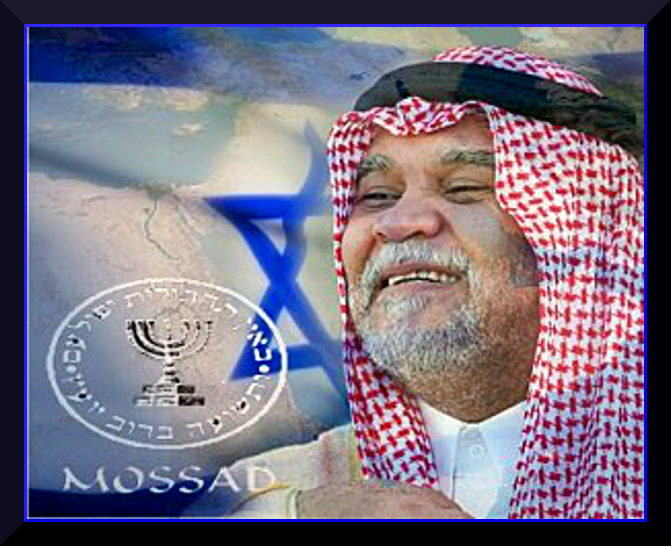
The article co-authored by a veteran AP reporter, said interviews with doctors, residents, anti-government forces and their families in Ghouta suggest the terrorists in question received chemical weapons via Saudi spymaster Saudi Arabia's intelligence chief Prince Bandar bin Sultan Al Saud.
The article co-authored by a veteran AP reporter, said interviews with doctors, residents, anti-government forces and their families in Ghouta suggest the terrorists in question received chemical weapons via Saudi spymaster Saudi Arabia’s intelligence chief Prince Bandar bin Sultan Al Saud.

Ghouta, Syria — As the machinery for a U.S.-led military intervention in Syria gathers pace following last week’s chemical weapons attack, the U.S. and its allies may be targeting the wrong culprit.

Interviews with people in Damascus and Ghouta, a suburb of the Syrian capital, where the humanitarian agency Doctors Without Borders said at least 355 people had died last week from what it believed to be a neurotoxic agent, appear to indicate as much.

The U.S., Britain, and France as well as the Arab League have accused the regime of Syrian President Bashar al-Assad for carrying out the chemical weapons attack, which mainly targeted civilians. U.S. warships are stationed in the Mediterranean Sea to launch military strikes against Syria in punishment for carrying out a massive chemical weapons attack. The U.S. and others are not interested in examining any contrary evidence, with U.S Secretary of State John Kerry saying Monday that Assad’s guilt was “a judgment … already clear to the world.”

However, from numerous interviews with doctors, Ghouta residents, rebel fighters and their families, a different picture emerges. Many believe that certain rebels received chemical weapons via the Saudi intelligence chief, Prince Bandar bin Sultan, and were responsible for carrying out the dealing gas attack.

“My son came to me two weeks ago asking what I thought the weapons were that he had been asked to carry,” said Abu Abdel-Moneim, the father of a rebel fighting to unseat Assad, who lives in Ghouta.

Abdel-Moneim said his son and 12 other rebels were killed inside of a tunnel used to store weapons provided by a Saudi militant, known as Abu Ayesha, who was leading a fighting battalion. The father described the weapons as having a “tube-like structure” while others were like a “huge gas bottle.”

Ghouta townspeople said the rebels were using mosques and private houses to sleep while storing their weapons in tunnels.

Abdel-Moneim said his son and the others died during the chemical weapons attack. That same day, the militant group Jabhat al-Nusra, which is linked to al-Qaida, announced that it would similarly attack civilians in the Assad regime’s heartland of Latakia on Syria’s western coast, in purported retaliation.

“They didn’t tell us what these arms were or how to use them,” complained a female fighter named ‘K.’ “We didn’t know they were chemical weapons. We never imagined they were chemical weapons.”

“When Saudi Prince Bandar gives such weapons to people, he must give them to those who know how to handle and use them,” she warned. She, like other Syrians, do not want to use their full names for fear of retribution.

A well-known rebel leader in Ghouta named ‘J’ agreed. “Jabhat al-Nusra militants do not cooperate with other rebels, except with fighting on the ground. They do not share secret information. They merely used some ordinary rebels to carry and operate this material,” he said.

“We were very curious about these arms. And unfortunately, some of the fighters handled the weapons improperly and set off the explosions,” ‘J’ said.

Doctors who treated the chemical weapons attack victims cautioned interviewers to be careful about asking questions regarding who, exactly, was responsible for the deadly assault.

The humanitarian group Doctors Without Borders added that health workers aiding 3,600 patients also reported experiencing similar symptoms, including frothing at the mouth, respiratory distress, convulsions and blurry vision. The group has not been able to independently verify the information.

More than a dozen rebels interviewed reported that their salaries came from the Saudi government.

Saudi Involvement

In a recent article for Business Insider, reporter Geoffrey Ingersoll highlighted Saudi Prince Bandar’s role in the two-and-a-half year Syrian civil war. Many observers believe Bandar, with his close ties to Washington, has been at the very heart of the push for war by the U.S. against Assad.

Ingersoll referred to an article in the U.K.’s Daily Telegraph about secret Russian-Saudi talks alleging that Bandar offered Russian President Vladimir Putin cheap oil in exchange for dumping Assad.

“Prince Bandar pledged to safeguard Russia’s naval base in Syria if the Assad regime is toppled, but he also hinted at Chechen terrorist attacks on Russia’s Winter Olympics in Sochi if there is no accord,” Ingersoll wrote.

“I can give you a guarantee to protect the Winter Olympics next year. The Chechen groups that threaten the security of the games are controlled by us,” Bandar allegedly told the Russians.

“Along with Saudi officials, the U.S. allegedly gave the Saudi intelligence chief the thumbs up to conduct these talks with Russia, which comes as no surprise,” Ingersoll wrote.

“Bandar is American-educated, both military and collegiate, served as a highly influential Saudi Ambassador to the U.S., and the CIA totally loves this guy,” he added.

According to U.K.’s Independent newspaper, it was Prince Bandar’s intelligence agency that first brought allegations of the use of sarin gas by the regime to the attention of Western allies in February.

The Wall Street Journal recently reported that the CIA realized Saudi Arabia was “serious” about toppling Assad when the Saudi king named Prince Bandar to lead the effort.

“They believed that Prince Bandar, a veteran of the diplomatic intrigues of Washington and the Arab world, could deliver what the CIA couldn’t: planeloads of money and arms, and, as one U.S. diplomat put it, wasta, Arabic for under-the-table clout,” it said.

Bandar has been advancing Saudi Arabia’s top foreign policy goal, WSJ reported, of defeating Assad and his Iranian and Hezbollah allies.

To that aim, Bandar worked Washington to back a program to arm and train rebels out of a planned military base in Jordan.

The newspaper reports that he met with the “uneasy Jordanians about such a base”:

“His meetings in Amman with Jordan’s King Abdullah sometimes ran to eight hours in a single sitting. ‘The king would joke: “Oh, Bandar’s coming again? Let’s clear two days for the meeting,” ‘ said a person familiar with the meetings.”

Jordan’s financial dependence on Saudi Arabia may have given the Saudis strong leverage. An operations center in Jordan started going online in the summer of 2012, including an airstrip and warehouses for arms. Saudi-procured AK-47s and ammunition arrived, WSJ reported, citing Arab officials.

Although Saudi Arabia has officially maintained that it supported more moderate rebels, the newspaper reported that “funds and arms were being funneled to radicals on the side, simply to counter the influence of rival Islamists backed by Qatar.”

But rebels interviewed said Prince Bandar is referred to as “al-Habib” or ‘the lover’ by al-Qaida militants fighting in Syria.

Peter Oborne, writing in the Daily Telegraph on Thursday, has issued a word of caution about Washington’s rush to punish the Assad regime with so-called ‘limited’ strikes not meant to overthrow the Syrian leader but diminish his capacity to use chemical weapons:

“Consider this: the only beneficiaries from the atrocity were the rebels, previously losing the war, who now have Britain and America ready to intervene on their side. While there seems to be little doubt that chemical weapons were used, there is doubt about who deployed them. “It is important to remember that Assad has been accused of using poison gas against civilians before. But on that occasion, Carla del Ponte, a U.N. commissioner on Syria, concluded that the rebels, not Assad, were probably responsible.”

Originally published by MintPress News
– See more at: http://www.occupy.com/article/syria-witnesses-gas-attack-say-saudis-supplied-rebels-chemical-weapons#sthash.q48vW7H3.dpuf

Ghouta, Syria — As the machinery for a U.S.-led military intervention in Syria gathers pace following last week’s chemical weapons attack, the U.S. and its allies may be targeting the wrong culprit.

Interviews with people in Damascus and Ghouta, a suburb of the Syrian capital, where the humanitarian agency Doctors Without Borders said at least 355 people had died last week from what it believed to be a neurotoxic agent, appear to indicate as much.

The U.S., Britain, and France as well as the Arab League have accused the regime of Syrian President Bashar al-Assad for carrying out the chemical weapons attack, which mainly targeted civilians. U.S. warships are stationed in the Mediterranean Sea to launch military strikes against Syria in punishment for carrying out a massive chemical weapons attack. The U.S. and others are not interested in examining any contrary evidence, with U.S Secretary of State John Kerry saying Monday that Assad’s guilt was “a judgment … already clear to the world.”

However, from numerous interviews with doctors, Ghouta residents, rebel fighters and their families, a different picture emerges. Many believe that certain rebels received chemical weapons via the Saudi intelligence chief, Prince Bandar bin Sultan, and were responsible for carrying out the dealing gas attack.

“My son came to me two weeks ago asking what I thought the weapons were that he had been asked to carry,” said Abu Abdel-Moneim, the father of a rebel fighting to unseat Assad, who lives in Ghouta.

Abdel-Moneim said his son and 12 other rebels were killed inside of a tunnel used to store weapons provided by a Saudi militant, known as Abu Ayesha, who was leading a fighting battalion. The father described the weapons as having a “tube-like structure” while others were like a “huge gas bottle.”

Ghouta townspeople said the rebels were using mosques and private houses to sleep while storing their weapons in tunnels.

Abdel-Moneim said his son and the others died during the chemical weapons attack. That same day, the militant group Jabhat al-Nusra, which is linked to al-Qaida, announced that it would similarly attack civilians in the Assad regime’s heartland of Latakia on Syria’s western coast, in purported retaliation.

“They didn’t tell us what these arms were or how to use them,” complained a female fighter named ‘K.’ “We didn’t know they were chemical weapons. We never imagined they were chemical weapons.”

“When Saudi Prince Bandar gives such weapons to people, he must give them to those who know how to handle and use them,” she warned. She, like other Syrians, do not want to use their full names for fear of retribution.

A well-known rebel leader in Ghouta named ‘J’ agreed. “Jabhat al-Nusra militants do not cooperate with other rebels, except with fighting on the ground. They do not share secret information. They merely used some ordinary rebels to carry and operate this material,” he said.

“We were very curious about these arms. And unfortunately, some of the fighters handled the weapons improperly and set off the explosions,” ‘J’ said.

Doctors who treated the chemical weapons attack victims cautioned interviewers to be careful about asking questions regarding who, exactly, was responsible for the deadly assault.

The humanitarian group Doctors Without Borders added that health workers aiding 3,600 patients also reported experiencing similar symptoms, including frothing at the mouth, respiratory distress, convulsions and blurry vision. The group has not been able to independently verify the information.

More than a dozen rebels interviewed reported that their salaries came from the Saudi government.

Saudi Involvement

In a recent article for Business Insider, reporter Geoffrey Ingersoll highlighted Saudi Prince Bandar’s role in the two-and-a-half year Syrian civil war. Many observers believe Bandar, with his close ties to Washington, has been at the very heart of the push for war by the U.S. against Assad.

Ingersoll referred to an article in the U.K.’s Daily Telegraph about secret Russian-Saudi talks alleging that Bandar offered Russian President Vladimir Putin cheap oil in exchange for dumping Assad.

“Prince Bandar pledged to safeguard Russia’s naval base in Syria if the Assad regime is toppled, but he also hinted at Chechen terrorist attacks on Russia’s Winter Olympics in Sochi if there is no accord,” Ingersoll wrote.

“I can give you a guarantee to protect the Winter Olympics next year. The Chechen groups that threaten the security of the games are controlled by us,” Bandar allegedly told the Russians.

“Along with Saudi officials, the U.S. allegedly gave the Saudi intelligence chief the thumbs up to conduct these talks with Russia, which comes as no surprise,” Ingersoll wrote.

“Bandar is American-educated, both military and collegiate, served as a highly influential Saudi Ambassador to the U.S., and the CIA totally loves this guy,” he added.

According to U.K.’s Independent newspaper, it was Prince Bandar’s intelligence agency that first brought allegations of the use of sarin gas by the regime to the attention of Western allies in February.

The Wall Street Journal recently reported that the CIA realized Saudi Arabia was “serious” about toppling Assad when the Saudi king named Prince Bandar to lead the effort.

“They believed that Prince Bandar, a veteran of the diplomatic intrigues of Washington and the Arab world, could deliver what the CIA couldn’t: planeloads of money and arms, and, as one U.S. diplomat put it, wasta, Arabic for under-the-table clout,” it said.

Bandar has been advancing Saudi Arabia’s top foreign policy goal, WSJ reported, of defeating Assad and his Iranian and Hezbollah allies.

To that aim, Bandar worked Washington to back a program to arm and train rebels out of a planned military base in Jordan.

The newspaper reports that he met with the “uneasy Jordanians about such a base”:

“His meetings in Amman with Jordan’s King Abdullah sometimes ran to eight hours in a single sitting. ‘The king would joke: “Oh, Bandar’s coming again? Let’s clear two days for the meeting,” ‘ said a person familiar with the meetings.”

Jordan’s financial dependence on Saudi Arabia may have given the Saudis strong leverage. An operations center in Jordan started going online in the summer of 2012, including an airstrip and warehouses for arms. Saudi-procured AK-47s and ammunition arrived, WSJ reported, citing Arab officials.

Although Saudi Arabia has officially maintained that it supported more moderate rebels, the newspaper reported that “funds and arms were being funneled to radicals on the side, simply to counter the influence of rival Islamists backed by Qatar.”

But rebels interviewed said Prince Bandar is referred to as “al-Habib” or ‘the lover’ by al-Qaida militants fighting in Syria.

Peter Oborne, writing in the Daily Telegraph on Thursday, has issued a word of caution about Washington’s rush to punish the Assad regime with so-called ‘limited’ strikes not meant to overthrow the Syrian leader but diminish his capacity to use chemical weapons:

“Consider this: the only beneficiaries from the atrocity were the rebels, previously losing the war, who now have Britain and America ready to intervene on their side. While there seems to be little doubt that chemical weapons were used, there is doubt about who deployed them. “It is important to remember that Assad has been accused of using poison gas against civilians before. But on that occasion, Carla del Ponte, a U.N. commissioner on Syria, concluded that the rebels, not Assad, were probably responsible.”

Originally published by MintPress News

– See more at: http://www.occupy.com/article/syria-witnesses-gas-attack-say-saudis-supplied-rebels-chemical-weapons#sthash.q48vW7H3.dpuf

Ghouta, Syria — As the machinery for a U.S.-led military intervention in Syria gathers pace following last week’s chemical weapons attack, the U.S. and its allies may be targeting the wrong culprit.

Interviews with people in Damascus and Ghouta, a suburb of the Syrian capital, where the humanitarian agency Doctors Without Borders said at least 355 people had died last week from what it believed to be a neurotoxic agent, appear to indicate as much.

The U.S., Britain, and France as well as the Arab League have accused the regime of Syrian President Bashar al-Assad for carrying out the chemical weapons attack, which mainly targeted civilians. U.S. warships are stationed in the Mediterranean Sea to launch military strikes against Syria in punishment for carrying out a massive chemical weapons attack. The U.S. and others are not interested in examining any contrary evidence, with U.S Secretary of State John Kerry saying Monday that Assad’s guilt was “a judgment … already clear to the world.”

However, from numerous interviews with doctors, Ghouta residents, rebel fighters and their families, a different picture emerges. Many believe that certain rebels received chemical weapons via the Saudi intelligence chief, Prince Bandar bin Sultan, and were responsible for carrying out the dealing gas attack.

“My son came to me two weeks ago asking what I thought the weapons were that he had been asked to carry,” said Abu Abdel-Moneim, the father of a rebel fighting to unseat Assad, who lives in Ghouta.

Abdel-Moneim said his son and 12 other rebels were killed inside of a tunnel used to store weapons provided by a Saudi militant, known as Abu Ayesha, who was leading a fighting battalion. The father described the weapons as having a “tube-like structure” while others were like a “huge gas bottle.”

Ghouta townspeople said the rebels were using mosques and private houses to sleep while storing their weapons in tunnels.

Abdel-Moneim said his son and the others died during the chemical weapons attack. That same day, the militant group Jabhat al-Nusra, which is linked to al-Qaida, announced that it would similarly attack civilians in the Assad regime’s heartland of Latakia on Syria’s western coast, in purported retaliation.

“They didn’t tell us what these arms were or how to use them,” complained a female fighter named ‘K.’ “We didn’t know they were chemical weapons. We never imagined they were chemical weapons.”

“When Saudi Prince Bandar gives such weapons to people, he must give them to those who know how to handle and use them,” she warned. She, like other Syrians, do not want to use their full names for fear of retribution.

A well-known rebel leader in Ghouta named ‘J’ agreed. “Jabhat al-Nusra militants do not cooperate with other rebels, except with fighting on the ground. They do not share secret information. They merely used some ordinary rebels to carry and operate this material,” he said.

“We were very curious about these arms. And unfortunately, some of the fighters handled the weapons improperly and set off the explosions,” ‘J’ said.

Doctors who treated the chemical weapons attack victims cautioned interviewers to be careful about asking questions regarding who, exactly, was responsible for the deadly assault.

The humanitarian group Doctors Without Borders added that health workers aiding 3,600 patients also reported experiencing similar symptoms, including frothing at the mouth, respiratory distress, convulsions and blurry vision. The group has not been able to independently verify the information.

More than a dozen rebels interviewed reported that their salaries came from the Saudi government.

Saudi Involvement

In a recent article for Business Insider, reporter Geoffrey Ingersoll highlighted Saudi Prince Bandar’s role in the two-and-a-half year Syrian civil war. Many observers believe Bandar, with his close ties to Washington, has been at the very heart of the push for war by the U.S. against Assad.

Ingersoll referred to an article in the U.K.’s Daily Telegraph about secret Russian-Saudi talks alleging that Bandar offered Russian President Vladimir Putin cheap oil in exchange for dumping Assad.

“Prince Bandar pledged to safeguard Russia’s naval base in Syria if the Assad regime is toppled, but he also hinted at Chechen terrorist attacks on Russia’s Winter Olympics in Sochi if there is no accord,” Ingersoll wrote.

“I can give you a guarantee to protect the Winter Olympics next year. The Chechen groups that threaten the security of the games are controlled by us,” Bandar allegedly told the Russians.

“Along with Saudi officials, the U.S. allegedly gave the Saudi intelligence chief the thumbs up to conduct these talks with Russia, which comes as no surprise,” Ingersoll wrote.

“Bandar is American-educated, both military and collegiate, served as a highly influential Saudi Ambassador to the U.S., and the CIA totally loves this guy,” he added.

According to U.K.’s Independent newspaper, it was Prince Bandar’s intelligence agency that first brought allegations of the use of sarin gas by the regime to the attention of Western allies in February.

The Wall Street Journal recently reported that the CIA realized Saudi Arabia was “serious” about toppling Assad when the Saudi king named Prince Bandar to lead the effort.

“They believed that Prince Bandar, a veteran of the diplomatic intrigues of Washington and the Arab world, could deliver what the CIA couldn’t: planeloads of money and arms, and, as one U.S. diplomat put it, wasta, Arabic for under-the-table clout,” it said.

Bandar has been advancing Saudi Arabia’s top foreign policy goal, WSJ reported, of defeating Assad and his Iranian and Hezbollah allies.

To that aim, Bandar worked Washington to back a program to arm and train rebels out of a planned military base in Jordan.

The newspaper reports that he met with the “uneasy Jordanians about such a base”:

“His meetings in Amman with Jordan’s King Abdullah sometimes ran to eight hours in a single sitting. ‘The king would joke: “Oh, Bandar’s coming again? Let’s clear two days for the meeting,” ‘ said a person familiar with the meetings.”

Jordan’s financial dependence on Saudi Arabia may have given the Saudis strong leverage. An operations center in Jordan started going online in the summer of 2012, including an airstrip and warehouses for arms. Saudi-procured AK-47s and ammunition arrived, WSJ reported, citing Arab officials.

Although Saudi Arabia has officially maintained that it supported more moderate rebels, the newspaper reported that “funds and arms were being funneled to radicals on the side, simply to counter the influence of rival Islamists backed by Qatar.”

But rebels interviewed said Prince Bandar is referred to as “al-Habib” or ‘the lover’ by al-Qaida militants fighting in Syria.

Peter Oborne, writing in the Daily Telegraph on Thursday, has issued a word of caution about Washington’s rush to punish the Assad regime with so-called ‘limited’ strikes not meant to overthrow the Syrian leader but diminish his capacity to use chemical weapons:

“Consider this: the only beneficiaries from the atrocity were the rebels, previously losing the war, who now have Britain and America ready to intervene on their side. While there seems to be little doubt that chemical weapons were used, there is doubt about who deployed them. “It is important to remember that Assad has been accused of using poison gas against civilians before. But on that occasion, Carla del Ponte, a U.N. commissioner on Syria, concluded that the rebels, not Assad, were probably responsible.”

Originally published by MintPress News
– See more at: http://www.occupy.com/article/syria-witnesses-gas-attack-say-saudis-supplied-rebels-chemical-weapons#sthash.q48vW7H3.dpuf

Ghouta, Syria — As the machinery for a U.S.-led military intervention in Syria gathers pace following last week’s chemical weapons attack, the U.S. and its allies may be targeting the wrong culprit.

Interviews with people in Damascus and Ghouta, a suburb of the Syrian capital, where the humanitarian agency Doctors Without Borders said at least 355 people had died last week from what it believed to be a neurotoxic agent, appear to indicate as much.

The U.S., Britain, and France as well as the Arab League have accused the regime of Syrian President Bashar al-Assad for carrying out the chemical weapons attack, which mainly targeted civilians. U.S. warships are stationed in the Mediterranean Sea to launch military strikes against Syria in punishment for carrying out a massive chemical weapons attack. The U.S. and others are not interested in examining any contrary evidence, with U.S Secretary of State John Kerry saying Monday that Assad’s guilt was “a judgment … already clear to the world.”

However, from numerous interviews with doctors, Ghouta residents, rebel fighters and their families, a different picture emerges. Many believe that certain rebels received chemical weapons via the Saudi intelligence chief, Prince Bandar bin Sultan, and were responsible for carrying out the dealing gas attack.

“My son came to me two weeks ago asking what I thought the weapons were that he had been asked to carry,” said Abu Abdel-Moneim, the father of a rebel fighting to unseat Assad, who lives in Ghouta.

Abdel-Moneim said his son and 12 other rebels were killed inside of a tunnel used to store weapons provided by a Saudi militant, known as Abu Ayesha, who was leading a fighting battalion. The father described the weapons as having a “tube-like structure” while others were like a “huge gas bottle.”

Ghouta townspeople said the rebels were using mosques and private houses to sleep while storing their weapons in tunnels.

Abdel-Moneim said his son and the others died during the chemical weapons attack. That same day, the militant group Jabhat al-Nusra, which is linked to al-Qaida, announced that it would similarly attack civilians in the Assad regime’s heartland of Latakia on Syria’s western coast, in purported retaliation.

“They didn’t tell us what these arms were or how to use them,” complained a female fighter named ‘K.’ “We didn’t know they were chemical weapons. We never imagined they were chemical weapons.”

“When Saudi Prince Bandar gives such weapons to people, he must give them to those who know how to handle and use them,” she warned. She, like other Syrians, do not want to use their full names for fear of retribution.

A well-known rebel leader in Ghouta named ‘J’ agreed. “Jabhat al-Nusra militants do not cooperate with other rebels, except with fighting on the ground. They do not share secret information. They merely used some ordinary rebels to carry and operate this material,” he said.

“We were very curious about these arms. And unfortunately, some of the fighters handled the weapons improperly and set off the explosions,” ‘J’ said.

Doctors who treated the chemical weapons attack victims cautioned interviewers to be careful about asking questions regarding who, exactly, was responsible for the deadly assault.

The humanitarian group Doctors Without Borders added that health workers aiding 3,600 patients also reported experiencing similar symptoms, including frothing at the mouth, respiratory distress, convulsions and blurry vision. The group has not been able to independently verify the information.

More than a dozen rebels interviewed reported that their salaries came from the Saudi government.

Saudi Involvement

In a recent article for Business Insider, reporter Geoffrey Ingersoll highlighted Saudi Prince Bandar’s role in the two-and-a-half year Syrian civil war. Many observers believe Bandar, with his close ties to Washington, has been at the very heart of the push for war by the U.S. against Assad.

Ingersoll referred to an article in the U.K.’s Daily Telegraph about secret Russian-Saudi talks alleging that Bandar offered Russian President Vladimir Putin cheap oil in exchange for dumping Assad.

“Prince Bandar pledged to safeguard Russia’s naval base in Syria if the Assad regime is toppled, but he also hinted at Chechen terrorist attacks on Russia’s Winter Olympics in Sochi if there is no accord,” Ingersoll wrote.

“I can give you a guarantee to protect the Winter Olympics next year. The Chechen groups that threaten the security of the games are controlled by us,” Bandar allegedly told the Russians.

“Along with Saudi officials, the U.S. allegedly gave the Saudi intelligence chief the thumbs up to conduct these talks with Russia, which comes as no surprise,” Ingersoll wrote.

“Bandar is American-educated, both military and collegiate, served as a highly influential Saudi Ambassador to the U.S., and the CIA totally loves this guy,” he added.

According to U.K.’s Independent newspaper, it was Prince Bandar’s intelligence agency that first brought allegations of the use of sarin gas by the regime to the attention of Western allies in February.

The Wall Street Journal recently reported that the CIA realized Saudi Arabia was “serious” about toppling Assad when the Saudi king named Prince Bandar to lead the effort.

“They believed that Prince Bandar, a veteran of the diplomatic intrigues of Washington and the Arab world, could deliver what the CIA couldn’t: planeloads of money and arms, and, as one U.S. diplomat put it, wasta, Arabic for under-the-table clout,” it said.

Bandar has been advancing Saudi Arabia’s top foreign policy goal, WSJ reported, of defeating Assad and his Iranian and Hezbollah allies.

To that aim, Bandar worked Washington to back a program to arm and train rebels out of a planned military base in Jordan.

The newspaper reports that he met with the “uneasy Jordanians about such a base”:

“His meetings in Amman with Jordan’s King Abdullah sometimes ran to eight hours in a single sitting. ‘The king would joke: “Oh, Bandar’s coming again? Let’s clear two days for the meeting,” ‘ said a person familiar with the meetings.”

Jordan’s financial dependence on Saudi Arabia may have given the Saudis strong leverage. An operations center in Jordan started going online in the summer of 2012, including an airstrip and warehouses for arms. Saudi-procured AK-47s and ammunition arrived, WSJ reported, citing Arab officials.

Although Saudi Arabia has officially maintained that it supported more moderate rebels, the newspaper reported that “funds and arms were being funneled to radicals on the side, simply to counter the influence of rival Islamists backed by Qatar.”

But rebels interviewed said Prince Bandar is referred to as “al-Habib” or ‘the lover’ by al-Qaida militants fighting in Syria.

Peter Oborne, writing in the Daily Telegraph on Thursday, has issued a word of caution about Washington’s rush to punish the Assad regime with so-called ‘limited’ strikes not meant to overthrow the Syrian leader but diminish his capacity to use chemical weapons:

“Consider this: the only beneficiaries from the atrocity were the rebels, previously losing the war, who now have Britain and America ready to intervene on their side. While there seems to be little doubt that chemical weapons were used, there is doubt about who deployed them. “It is important to remember that Assad has been accused of using poison gas against civilians before. But on that occasion, Carla del Ponte, a U.N. commissioner on Syria, concluded that the rebels, not Assad, were probably responsible.”

Originally published by MintPress News

– See more at: http://www.occupy.com/article/syria-witnesses-gas-attack-say-saudis-supplied-rebels-chemical-weapons#sthash.q48vW7H3.dpuf

Ghouta, Syria — As the machinery for a U.S.-led military intervention in Syria gathers pace following last week’s chemical weapons attack, the U.S. and its allies may be targeting the wrong culprit.

Interviews with people in Damascus and Ghouta, a suburb of the Syrian capital, where the humanitarian agency Doctors Without Borders said at least 355 people had died last week from what it believed to be a neurotoxic agent, appear to indicate as much.

The U.S., Britain, and France as well as the Arab League have accused the regime of Syrian President Bashar al-Assad for carrying out the chemical weapons attack, which mainly targeted civilians. U.S. warships are stationed in the Mediterranean Sea to launch military strikes against Syria in punishment for carrying out a massive chemical weapons attack. The U.S. and others are not interested in examining any contrary evidence, with U.S Secretary of State John Kerry saying Monday that Assad’s guilt was “a judgment … already clear to the world.”

However, from numerous interviews with doctors, Ghouta residents, rebel fighters and their families, a different picture emerges. Many believe that certain rebels received chemical weapons via the Saudi intelligence chief, Prince Bandar bin Sultan, and were responsible for carrying out the dealing gas attack.

“My son came to me two weeks ago asking what I thought the weapons were that he had been asked to carry,” said Abu Abdel-Moneim, the father of a rebel fighting to unseat Assad, who lives in Ghouta.

Abdel-Moneim said his son and 12 other rebels were killed inside of a tunnel used to store weapons provided by a Saudi militant, known as Abu Ayesha, who was leading a fighting battalion. The father described the weapons as having a “tube-like structure” while others were like a “huge gas bottle.”

Ghouta townspeople said the rebels were using mosques and private houses to sleep while storing their weapons in tunnels.

Abdel-Moneim said his son and the others died during the chemical weapons attack. That same day, the militant group Jabhat al-Nusra, which is linked to al-Qaida, announced that it would similarly attack civilians in the Assad regime’s heartland of Latakia on Syria’s western coast, in purported retaliation.

“They didn’t tell us what these arms were or how to use them,” complained a female fighter named ‘K.’ “We didn’t know they were chemical weapons. We never imagined they were chemical weapons.”

“When Saudi Prince Bandar gives such weapons to people, he must give them to those who know how to handle and use them,” she warned. She, like other Syrians, do not want to use their full names for fear of retribution.

A well-known rebel leader in Ghouta named ‘J’ agreed. “Jabhat al-Nusra militants do not cooperate with other rebels, except with fighting on the ground. They do not share secret information. They merely used some ordinary rebels to carry and operate this material,” he said.

“We were very curious about these arms. And unfortunately, some of the fighters handled the weapons improperly and set off the explosions,” ‘J’ said.

Doctors who treated the chemical weapons attack victims cautioned interviewers to be careful about asking questions regarding who, exactly, was responsible for the deadly assault.

The humanitarian group Doctors Without Borders added that health workers aiding 3,600 patients also reported experiencing similar symptoms, including frothing at the mouth, respiratory distress, convulsions and blurry vision. The group has not been able to independently verify the information.

More than a dozen rebels interviewed reported that their salaries came from the Saudi government.

Saudi Involvement

In a recent article for Business Insider, reporter Geoffrey Ingersoll highlighted Saudi Prince Bandar’s role in the two-and-a-half year Syrian civil war. Many observers believe Bandar, with his close ties to Washington, has been at the very heart of the push for war by the U.S. against Assad.

Ingersoll referred to an article in the U.K.’s Daily Telegraph about secret Russian-Saudi talks alleging that Bandar offered Russian President Vladimir Putin cheap oil in exchange for dumping Assad.

“Prince Bandar pledged to safeguard Russia’s naval base in Syria if the Assad regime is toppled, but he also hinted at Chechen terrorist attacks on Russia’s Winter Olympics in Sochi if there is no accord,” Ingersoll wrote.

“I can give you a guarantee to protect the Winter Olympics next year. The Chechen groups that threaten the security of the games are controlled by us,” Bandar allegedly told the Russians.

“Along with Saudi officials, the U.S. allegedly gave the Saudi intelligence chief the thumbs up to conduct these talks with Russia, which comes as no surprise,” Ingersoll wrote.

“Bandar is American-educated, both military and collegiate, served as a highly influential Saudi Ambassador to the U.S., and the CIA totally loves this guy,” he added.

According to U.K.’s Independent newspaper, it was Prince Bandar’s intelligence agency that first brought allegations of the use of sarin gas by the regime to the attention of Western allies in February.

The Wall Street Journal recently reported that the CIA realized Saudi Arabia was “serious” about toppling Assad when the Saudi king named Prince Bandar to lead the effort.

“They believed that Prince Bandar, a veteran of the diplomatic intrigues of Washington and the Arab world, could deliver what the CIA couldn’t: planeloads of money and arms, and, as one U.S. diplomat put it, wasta, Arabic for under-the-table clout,” it said.

Bandar has been advancing Saudi Arabia’s top foreign policy goal, WSJ reported, of defeating Assad and his Iranian and Hezbollah allies.

To that aim, Bandar worked Washington to back a program to arm and train rebels out of a planned military base in Jordan.

The newspaper reports that he met with the “uneasy Jordanians about such a base”:

“His meetings in Amman with Jordan’s King Abdullah sometimes ran to eight hours in a single sitting. ‘The king would joke: “Oh, Bandar’s coming again? Let’s clear two days for the meeting,” ‘ said a person familiar with the meetings.”

Jordan’s financial dependence on Saudi Arabia may have given the Saudis strong leverage. An operations center in Jordan started going online in the summer of 2012, including an airstrip and warehouses for arms. Saudi-procured AK-47s and ammunition arrived, WSJ reported, citing Arab officials.

Although Saudi Arabia has officially maintained that it supported more moderate rebels, the newspaper reported that “funds and arms were being funneled to radicals on the side, simply to counter the influence of rival Islamists backed by Qatar.”

But rebels interviewed said Prince Bandar is referred to as “al-Habib” or ‘the lover’ by al-Qaida militants fighting in Syria.

Peter Oborne, writing in the Daily Telegraph on Thursday, has issued a word of caution about Washington’s rush to punish the Assad regime with so-called ‘limited’ strikes not meant to overthrow the Syrian leader but diminish his capacity to use chemical weapons:

“Consider this: the only beneficiaries from the atrocity were the rebels, previously losing the war, who now have Britain and America ready to intervene on their side. While there seems to be little doubt that chemical weapons were used, there is doubt about who deployed them. “It is important to remember that Assad has been accused of using poison gas against civilians before. But on that occasion, Carla del Ponte, a U.N. commissioner on Syria, concluded that the rebels, not Assad, were probably responsible.”

Originally published by MintPress News

– See more at: http://www.occupy.com/article/syria-witnesses-gas-attack-say-saudis-supplied-rebels-chemical-weapons#sthash.q48vW7H3.dpuf

Syria: Witnesses Of Gas Attack Say Saudis Supplied Rebels With Chemical Weapons

Fri, 8/30/2013 – by Dale Gavlak and Yahya Ababneh
This article originally appeared on Mint Press News

 75 reddit0  0  11

Ghouta, Syria — As the machinery for a U.S.-led military intervention in Syria gathers pace following last week’s chemical weapons attack, the U.S. and its allies may be targeting the wrong culprit.

Interviews with people in Damascus and Ghouta, a suburb of the Syrian capital, where the humanitarian agency Doctors Without Borders said at least 355 people had died last week from what it believed to be a neurotoxic agent, appear to indicate as much.

The U.S., Britain, and France as well as the Arab League have accused the regime of Syrian President Bashar al-Assad for carrying out the chemical weapons attack, which mainly targeted civilians. U.S. warships are stationed in the Mediterranean Sea to launch military strikes against Syria in punishment for carrying out a massive chemical weapons attack. The U.S. and others are not interested in examining any contrary evidence, with U.S Secretary of State John Kerry saying Monday that Assad’s guilt was “a judgment … already clear to the world.”

However, from numerous interviews with doctors, Ghouta residents, rebel fighters and their families, a different picture emerges. Many believe that certain rebels received chemical weapons via the Saudi intelligence chief, Prince Bandar bin Sultan, and were responsible for carrying out the dealing gas attack.

“My son came to me two weeks ago asking what I thought the weapons were that he had been asked to carry,” said Abu Abdel-Moneim, the father of a rebel fighting to unseat Assad, who lives in Ghouta.

Abdel-Moneim said his son and 12 other rebels were killed inside of a tunnel used to store weapons provided by a Saudi militant, known as Abu Ayesha, who was leading a fighting battalion. The father described the weapons as having a “tube-like structure” while others were like a “huge gas bottle.”

Ghouta townspeople said the rebels were using mosques and private houses to sleep while storing their weapons in tunnels.

Abdel-Moneim said his son and the others died during the chemical weapons attack. That same day, the militant group Jabhat al-Nusra, which is linked to al-Qaida, announced that it would similarly attack civilians in the Assad regime’s heartland of Latakia on Syria’s western coast, in purported retaliation.

“They didn’t tell us what these arms were or how to use them,” complained a female fighter named ‘K.’ “We didn’t know they were chemical weapons. We never imagined they were chemical weapons.”

“When Saudi Prince Bandar gives such weapons to people, he must give them to those who know how to handle and use them,” she warned. She, like other Syrians, do not want to use their full names for fear of retribution.

A well-known rebel leader in Ghouta named ‘J’ agreed. “Jabhat al-Nusra militants do not cooperate with other rebels, except with fighting on the ground. They do not share secret information. They merely used some ordinary rebels to carry and operate this material,” he said.

“We were very curious about these arms. And unfortunately, some of the fighters handled the weapons improperly and set off the explosions,” ‘J’ said.

Doctors who treated the chemical weapons attack victims cautioned interviewers to be careful about asking questions regarding who, exactly, was responsible for the deadly assault.

The humanitarian group Doctors Without Borders added that health workers aiding 3,600 patients also reported experiencing similar symptoms, including frothing at the mouth, respiratory distress, convulsions and blurry vision. The group has not been able to independently verify the information.

More than a dozen rebels interviewed reported that their salaries came from the Saudi government.

Saudi Involvement

In a recent article for Business Insider, reporter Geoffrey Ingersoll highlighted Saudi Prince Bandar’s role in the two-and-a-half year Syrian civil war. Many observers believe Bandar, with his close ties to Washington, has been at the very heart of the push for war by the U.S. against Assad.

Ingersoll referred to an article in the U.K.’s Daily Telegraph about secret Russian-Saudi talks alleging that Bandar offered Russian President Vladimir Putin cheap oil in exchange for dumping Assad.

“Prince Bandar pledged to safeguard Russia’s naval base in Syria if the Assad regime is toppled, but he also hinted at Chechen terrorist attacks on Russia’s Winter Olympics in Sochi if there is no accord,” Ingersoll wrote.

“I can give you a guarantee to protect the Winter Olympics next year. The Chechen groups that threaten the security of the games are controlled by us,” Bandar allegedly told the Russians.

“Along with Saudi officials, the U.S. allegedly gave the Saudi intelligence chief the thumbs up to conduct these talks with Russia, which comes as no surprise,” Ingersoll wrote.

“Bandar is American-educated, both military and collegiate, served as a highly influential Saudi Ambassador to the U.S., and the CIA totally loves this guy,” he added.

According to U.K.’s Independent newspaper, it was Prince Bandar’s intelligence agency that first brought allegations of the use of sarin gas by the regime to the attention of Western allies in February.

The Wall Street Journal recently reported that the CIA realized Saudi Arabia was “serious” about toppling Assad when the Saudi king named Prince Bandar to lead the effort.

“They believed that Prince Bandar, a veteran of the diplomatic intrigues of Washington and the Arab world, could deliver what the CIA couldn’t: planeloads of money and arms, and, as one U.S. diplomat put it, wasta, Arabic for under-the-table clout,” it said.

Bandar has been advancing Saudi Arabia’s top foreign policy goal, WSJ reported, of defeating Assad and his Iranian and Hezbollah allies.

To that aim, Bandar worked Washington to back a program to arm and train rebels out of a planned military base in Jordan.

The newspaper reports that he met with the “uneasy Jordanians about such a base”:

“His meetings in Amman with Jordan’s King Abdullah sometimes ran to eight hours in a single sitting. ‘The king would joke: “Oh, Bandar’s coming again? Let’s clear two days for the meeting,” ‘ said a person familiar with the meetings.”

Jordan’s financial dependence on Saudi Arabia may have given the Saudis strong leverage. An operations center in Jordan started going online in the summer of 2012, including an airstrip and warehouses for arms. Saudi-procured AK-47s and ammunition arrived, WSJ reported, citing Arab officials.

Although Saudi Arabia has officially maintained that it supported more moderate rebels, the newspaper reported that “funds and arms were being funneled to radicals on the side, simply to counter the influence of rival Islamists backed by Qatar.”

But rebels interviewed said Prince Bandar is referred to as “al-Habib” or ‘the lover’ by al-Qaida militants fighting in Syria.

Peter Oborne, writing in the Daily Telegraph on Thursday, has issued a word of caution about Washington’s rush to punish the Assad regime with so-called ‘limited’ strikes not meant to overthrow the Syrian leader but diminish his capacity to use chemical weapons:

“Consider this: the only beneficiaries from the atrocity were the rebels, previously losing the war, who now have Britain and America ready to intervene on their side. While there seems to be little doubt that chemical weapons were used, there is doubt about who deployed them. “It is important to remember that Assad has been accused of using poison gas against civilians before. But on that occasion, Carla del Ponte, a U.N. commissioner on Syria, concluded that the rebels, not Assad, were probably responsible.”

Originally published by MintPress News

– See more at: http://www.occupy.com/article/syria-witnesses-gas-attack-say-saudis-supplied-rebels-chemical-weapons#sthash.q48vW7H3.dpuf

Syrians in Ghouta Claim Saudi-Supplied Rebels Behind Chemical Attack

Ghouta, Syria — As the machinery for a U.S.-led military intervention in Syria gathers pace following last week’s chemical weapons attack, the U.S. and its allies may be targeting the wrong culprit.

Syrians in the Damascus suburb of Ghouta say Saudi Arabia provided chemical weapons for an al-Qaeda linked terrorist group which they blame for the August 21 chemical attack in the region, a report says. Continue reading “Rebels admit Saudi Prince Bander set up Chemical massacre”

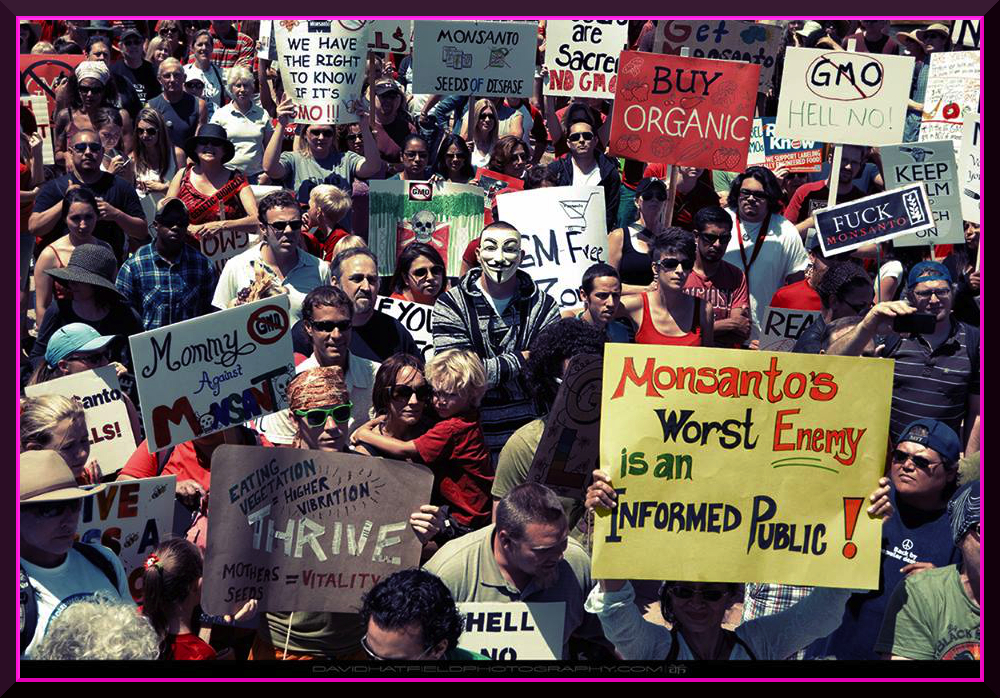
Call for WORLD anti MONSANTO actions.. Sat. Oct. 12th

monsanto-san-diego

ANNOYING BACKGROUND MUSIC ON AN IMPORTANT CALL TO ACTION