España detiene y tramita la extradición a Ucrania de Anatoli Sharí, periodista amenazado por los neonazis ucranianos

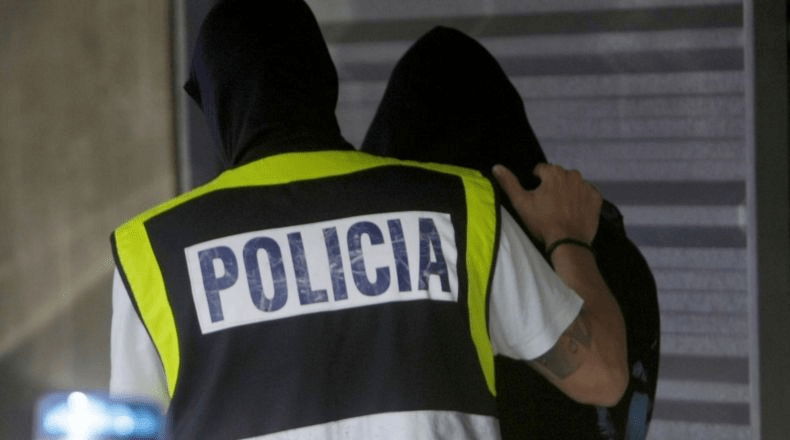
Según ha difundido el gobierno ucraniano, la Policía Nacional ha detenido al periodista ucraniano Antoli Sharí, perseguido por el gobierno de Kiev y amenazado de muerte por los grupos fascistas que operan bajo su protección.
Anatoli Sharí y Olga Bondarenko viven con su hijo en Roda de Berà y, desde hace dos años, sufren acoso a las puertas de su casa por parte de personas cercanas al gobierno de Volodomír Zelenski. Los Mossos d’Esquadra están al corriente e impiden que lleguen a las manos, pero los mensajes amenazantes-también en forma de cuna manchada de sangre – no han cesado.
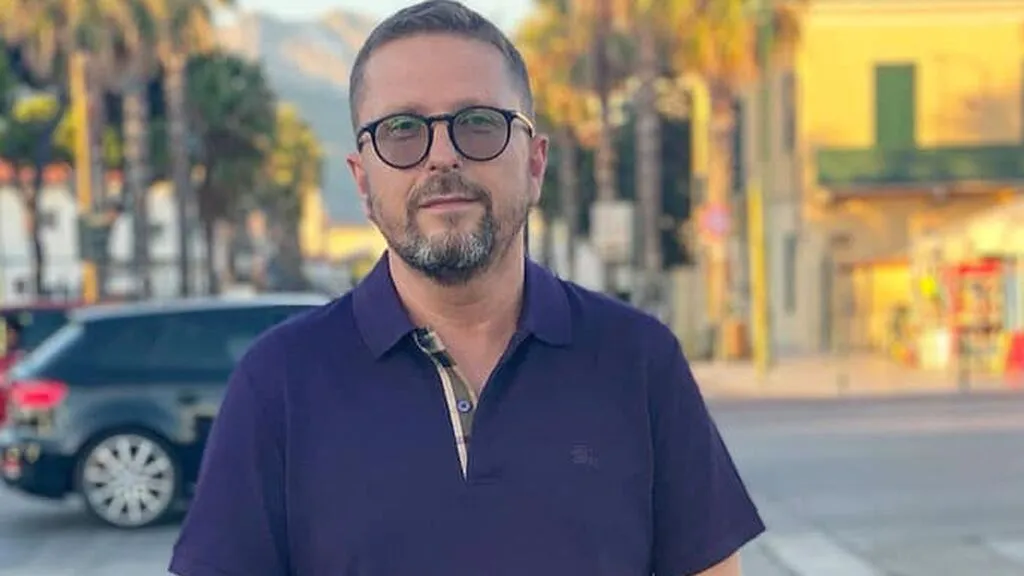
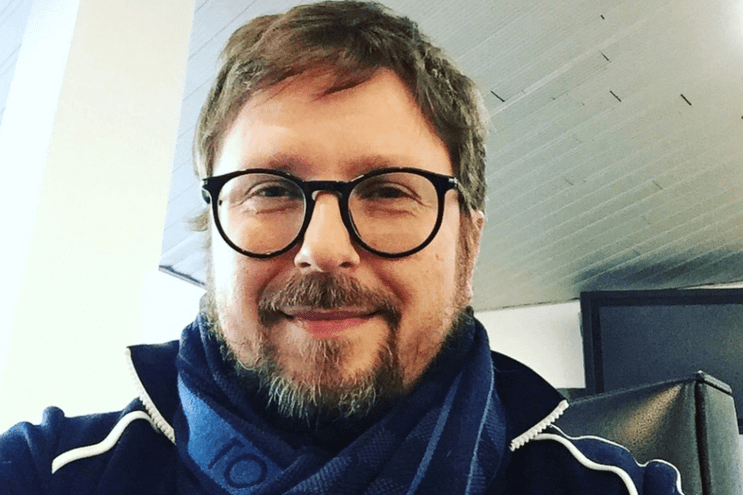
Todo radica en la actividad pública de esta pareja ucraniana, que desde hace varios años no pisan su país. Anatoli Sharí tiene un canal de Youtube con casi tres millones de suscriptores y es uno de los periodistas más influyentes desde antes de la revuelta del Maidan, en 2014.
Los neonazis no sólo han filtrado la dirección de su domicilio, sino que también circula la identidad del hijo menor de edad, a la que, según su madre, Olga Bondarenko, sólo podía tener acceso el consulado ucraniano. La última protesta se produjo antes de Semana Santa, pero temen por su seguridad especialmente en el momento en que los hombres puedan salir de Ucrania, una vez finalice el conflicto.
Hasta ahora, todos los intentos de extradición han sido infructuosos, pero tras la visita de Pedro Sánchez a Kiev parece que todo se ha reactivado. El gobierno español ha dado curso a la estrambótica acusación que le hace el gobierno de Zelenski: alta traición.
Investigaciones con conexiones con el gobierno
Antes de marcharse del país, Sharí era un periodista residente en Kiiv que trabajaba para el medio Obozravatel. Investigaba temas relacionados con casinos ilegales, la venta de drogas en farmacias, asesinatos… Algunos de ellos, según explica en una entrevista concedida hace pocos días a Nació Digital, «tenían conexión con el Ministerio de Interior, que encubría los delitos». En ese momento gobernaba Víktor Yanukovich, un presidente considerado pro-ruso y originario del Donbass.
A raíz de algunas presiones, en 2012 se exilió, pasando por los Países Bajos y terminando en Barcelona. En 2015 decidió trasladarse a vivir a Roda de Berà, eso sí, sin estatus de refugiado.
El Euromaidan
Entre finales de 2013 y principios de 2014, estalló la revuelta del Euromaidan, es decir, una serie de protestas especialmente concentradas en la capital que buscaban echar al hasta entonces presidente, Víktor Yanukovich, para forzar un acercamiento a la Unión Europea. Anatoli lo vivió ya desde el exilio, pero fue poco antes cuando inició su etapa como periodista político.
Los hechos del 2 de mayo de 2014, en Odessa, en los que 48 personas fueron asesinadas por el lanzamiento de cócteles Molotov cuando se refugiaban de los neonazis en la llamada «Casa de los sindicatos», levantaron todas las alertas. Este asesinato masivo realizado por el Pravy Sektor (Sector Derecho, neonazi) provocó que Anatoli empezara a colgar vídeos en las redes expresando su opinión y al mismo tiempo comunicando información sobre sus investigaciones.
«Nunca ha habido tanta corrupción como ahora»
Los primeros meses del gobierno Zelenski no alcanzaron las expectativas de una parte de la población, que le veían como un líder que podía llevar respeto entre las diferentes formas de pensar que existían en el país. «Queríamos que llegara Zelenski porque en Ucrania hay muchos problemas con los batallones y los neonazis», explica Olga.
A su lado, Anatoli niega que sean pocos: «Es muy fácil controlar a la población con armas aunque sean 10 entre 100.000». «Tienen mucho poder, tienen armas, atacan a periodistas, mucha gente tiene miedo y el gobierno no hace nada con ellos», añade. Uno de los batallones más conocidos en este sentido es el Azov, que incluso ha acogido entre sus integrantes a diferentes combatientes internacionales de ideología de extrema derecha, uno de ellos vecino de Segur de Calafell .
Rotura con Zelenski
Si bien antes de las elecciones hubo buena relación entre Anatoli Sharí y Volodomír Zelenski, la situación cambió drásticamente en 2020. Casos de corrupción como, por ejemplo, la especulación con la venta de mascarillas llegadas al país durante la pandemia fueron denunciados por Anatoli. Asegura que en estos últimos dos años «nunca como ahora ha habido tanta corrupción, ni con Poroshenko».
La operación militar del gobierno ruso es para Anatoli un «regalo» para Zelenski, que no paraba de bajar en popularidad antes de que se produjera. Uno de sus rivales en la carrera política era el propio Anatoli, quien desde el mes de junio de 2019 dirige su propio partido, de ideología liberal y con un discurso contra la corrupción y contra los grupos neonazis.
«Los tres principales opositores a Zelenski son Viktor Medvedchuk, Poroshenko y Anatoli», asegura Olga, quien señala que éste sería uno de los motivos por los que le acusaron de alta traición en el 2020 y, más tarde, una vez iniciada ya la guerra, prohibieron su formación, junto a otros partidos. «Zelenski es un pequeño tirano y ahora le ha tocado la lotería para hacer lo que quiera», dice.
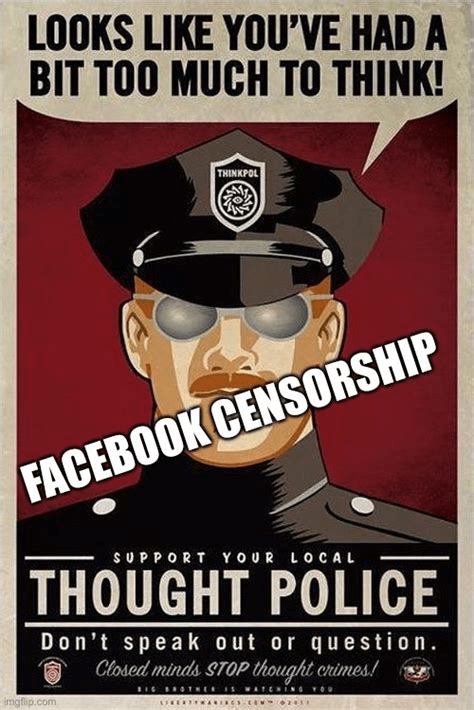
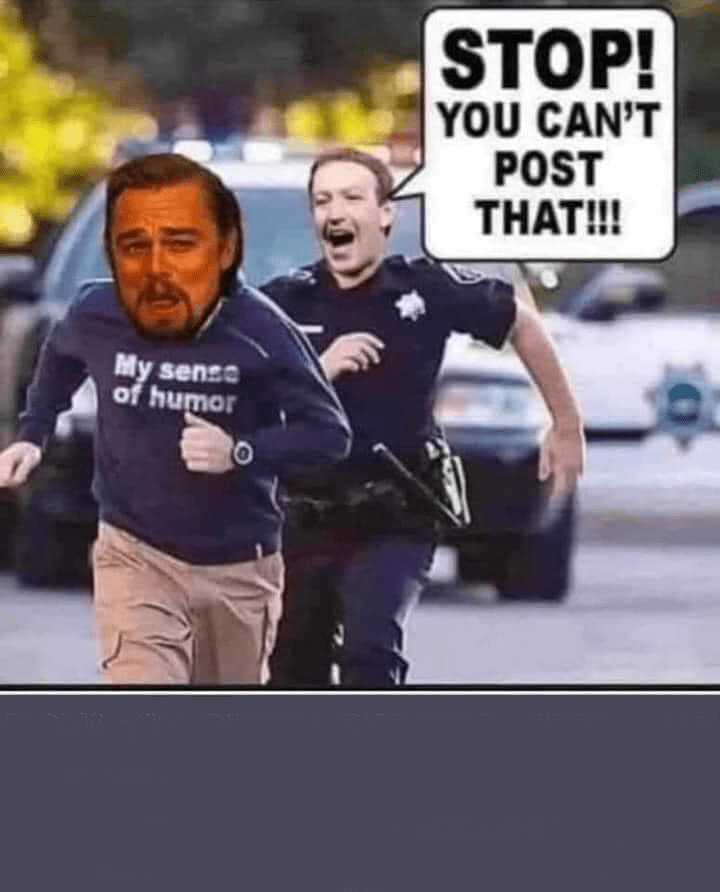
La acusación de alta traición sirvió a Zelenski para bloquear los perfiles de Facebook, Youtube e Instagram de Anatoli y de Olga, y no sólo eso, sino que ha impuesto distintas sanciones como la prohibición de disponer de un cuenta bancaria tanto a ellos como a la madre de Olga.
Medios alternativos
Con el bloqueo de las redes sociales de los opositores, miles de ucranianos han tenido que buscar alternativas para recibir información de todo tipo. Las visualizaciones del canal de Youtube de Anatoli cada vez que sube un vídeo son casi instantáneas, aparte de las retransmisiones en directo, y la mayoría son o bien de residentes en el país -a través de servicios VPN- o de ucranianos que han tenido que irse. Entre ellos, a través de estos espacios, se ponen en contacto para ayudarse mutuamente cuando alguien necesita algún medicamento, por ejemplo, según Olga.
Mientras, el gobierno de Zelenski sigue tratando de estrechar cada vez más el círculo de Anatoli. Uno de sus seguidores, detenido y más tarde huido del país, le aseguró que, durante la detención, le habían propinado torturas …
************************
Última hora de la guerra en Ucrania El bloguero ucraniano Anatoly Shariy, acusado de traición por sus “posiciones prorrusas”, ha sido detenido en España, según los Servicios de Seguridad de Ucrania…
Anatoly Shariy, bloguero de Ucrania prorruso, detenido en España...
El destacado bloguero y crítico del gobierno ucraniano, Anatoly Shariy, ha sido detenido por la policía española como parte de una operación internacional, anunció el jueves el Servicio de Seguridad de Ucrania (SBU).
Shariy fue arrestado el miércoles en una operación conjunta de policías españoles y ucranianos, así como “socios” internacionales, dijo la SBU en un comunicado.
La agencia, sucesora de Kiev de la KGB soviética, dijo que la figura de la oposición es buscada por cargos de traición por parte de Kiev, entre otras cosas.
Shariy ha estado infringiendo la seguridad nacional de Ucrania a través de sus actividades en el ámbito de los medios, mientras supuestamente actuaba en nombre de fuerzas “extranjeras”, insistió.
ver también.. La corrupción en Ucrania es endémica el Periodico
El caso contra el YouTuber con casi 3 millones de suscriptores se inició en febrero de 2021.
El arresto de Shariy “es una prueba más de que todo traidor a Ucrania tarde o temprano recibirá su merecido castigo. Es inevitable”, afirmó la SBU.
El anuncio ucraniano fue confirmado por la policía española
El anuncio ucraniano fue confirmado por la policía española, que dijo a RIA-Novosti que Shariy fue detenido en la ciudad costera de Tarragona el 4 de mayo por una orden de arresto internacional.
see also: Dutch Party Asks Zelensky to Account for $850 Mln Personal Wealth
Shariy recibió asilo político en la UE en Lituania en 2012. En ese entonces, dijo que estaba huyendo de la persecución del gobierno de Viktor Yanukovich, a quien los medios occidentales tildaron de prorruso.
Yanukovich fue depuesto después del golpe de estado de Maidan en 2014, pero el bloguero siguió siendo un duro crítico de las autoridades en Ucrania, ya sea el presidente Petro Poroshenko o su sucesor Volodymyr Zelensky.
Continue reading “Anatoly Shariy, bloguero de Ucrania “prorruso”, detenido por traición en España… ..español/ inglés”